
Wavy hair is the most flexible texture there is — polished on a Monday morning, lived-in by Friday night, romantic any time you let it do its thing. But only if the cut works with the wave instead of against it. The best haircuts for wavy hair shape the wave pattern so it looks intentional: layers that let each section move on its own, lengths that give the waves room to form, and bangs that blend into the texture. The wrong cut does the opposite: a blunt shape leaves waves flat and shapeless, while too many short layers turn them into frizz. This guide covers the cuts women keep requesting in salons and how to style them without a flat iron.
Why Wavy Hair Needs Its Own Cutting Approach

Wavy hair sits between straight and curly, and needs a cutting approach of its own. Straight-hair techniques assume hair falls in one smooth line; curly techniques assume tight, springy coils. Waves do neither — they bend, they separate, and they change shape as they dry. That is why a cut that looks perfect wet can collapse three days later. The rules: layers must sit with the wave pattern, not across it; length needs enough weight to anchor the waves, or they puff out; and the cut should be checked dry, because waves shrink and lift as they dry. Tell your stylist whether your waves are loose or defined, and whether you air-dry or diffuse.
Textured Long Layers

Textured long layers are the workhorse cut for wavy hair. The layers sit through the mid-lengths and ends with a clear intention: every layer sits with your wave pattern, so the cut enhances your natural texture rather than fighting it. One length throughout pulls the waves down flat; layers break up that weight and let each section move independently. Ask for layers starting around the cheekbone, heavier toward the ends, with point-cut finishes so the ends separate into soft pieces. Style it with mousse or curl cream on damp hair, then air-dry or diffuse. Refresh every 8 to 10 weeks, because the layering is what does the work. Our layered haircuts for women guide covers layer placement in full.
The Modern Shag

The modern shag is built for textured hair. Shorter, choppy layers on top give movement and volume around the face, while longer layers underneath keep length and weight. The top sections encourage your natural wave to show itself, and the choppy texture breaks frizz-prone sections into pieces with direction. The modern version is smarter than the 70s original: the layers are cut with purpose and angle, not chopped at random. It works best on medium to thick wavy hair and flatters most face shapes. Style it with mousse on damp hair, diffuse or air-dry, and finish with a texturising spray. Our shag haircut guide covers every shag length.
The Textured Bob

A classic blunt bob can feel heavy and formless on wavy hair, but a textured bob is something entirely different. Strategic layering and choppy texture break up the weight while keeping the clean silhouette of a bob, usually between chin and shoulder length. Shorter front pieces frame the face, while the back keeps more length to anchor the waves. Aim for chin length or slightly longer, or the cut can develop the triangle shape wavy hair gets in one length. The huge benefit is how little styling it needs — wash, apply mousse or wave cream, and air-dry. Our French bob guide covers the Parisian version of this shape.
The Layered Lob with Choppy Ends

The lob is the cut that never lets wavy hair down, as long as the layers are right. A layered lob with choppy ends hits between the collarbone and the mid-back: long enough to show your wave pattern, short enough that the layers can create shape. The key word is choppy — you want distinct, separate layers that create texture and piece-y definition, not blended layers that form one smooth shape. Ask for layers concentrated toward the bottom with point-cut ends, and keep the length at the collarbone for the easiest version. Style with mousse or curl cream on damp hair, diffuse or air-dry, then separate the layers with your fingers. Our lob haircut guide covers blunt, layered and wavy versions.
The Wolf Cut for Wavy Hair

The wolf cut is a clever hybrid of a mullet and a shag: short, choppy layers on top for volume and movement, longer length underneath, and strategic blending throughout. It works beautifully for wavy hair: shorter layers on top encourage your waves around your face, while longer pieces underneath maintain length and weight. The choppy layers also break frizz into texture and definition. It is one of the most versatile cuts here: air-dry with mousse for an effortless texture day, or diffuse and add sea salt spray for a night out. Show your stylist photos of wolf cuts on a similar wave pattern to yours. Our wolf cut guide covers lengths and face shapes.
The Wavy Pixie Cut

If you are ready for something short, a pixie tailored for wavy hair is a game-changer. Unlike a standard pixie cut sleek and close to the head, a wave-friendly pixie uses choppy, textured layers throughout to encourage your waves to show themselves even at a very short length. It shows off your face and bone structure, so be sure you are ready for the change — but it needs less styling than longer cuts. Wash, apply lightweight mousse or texture cream to damp roots and ends, and air-dry or diffuse. Ask for texture through the crown and soft, piecey pieces around the ears rather than a hard, buzzed edge. Our pixie cut guide covers pixie lengths and face shapes in full.
Curtain Bangs with Waves
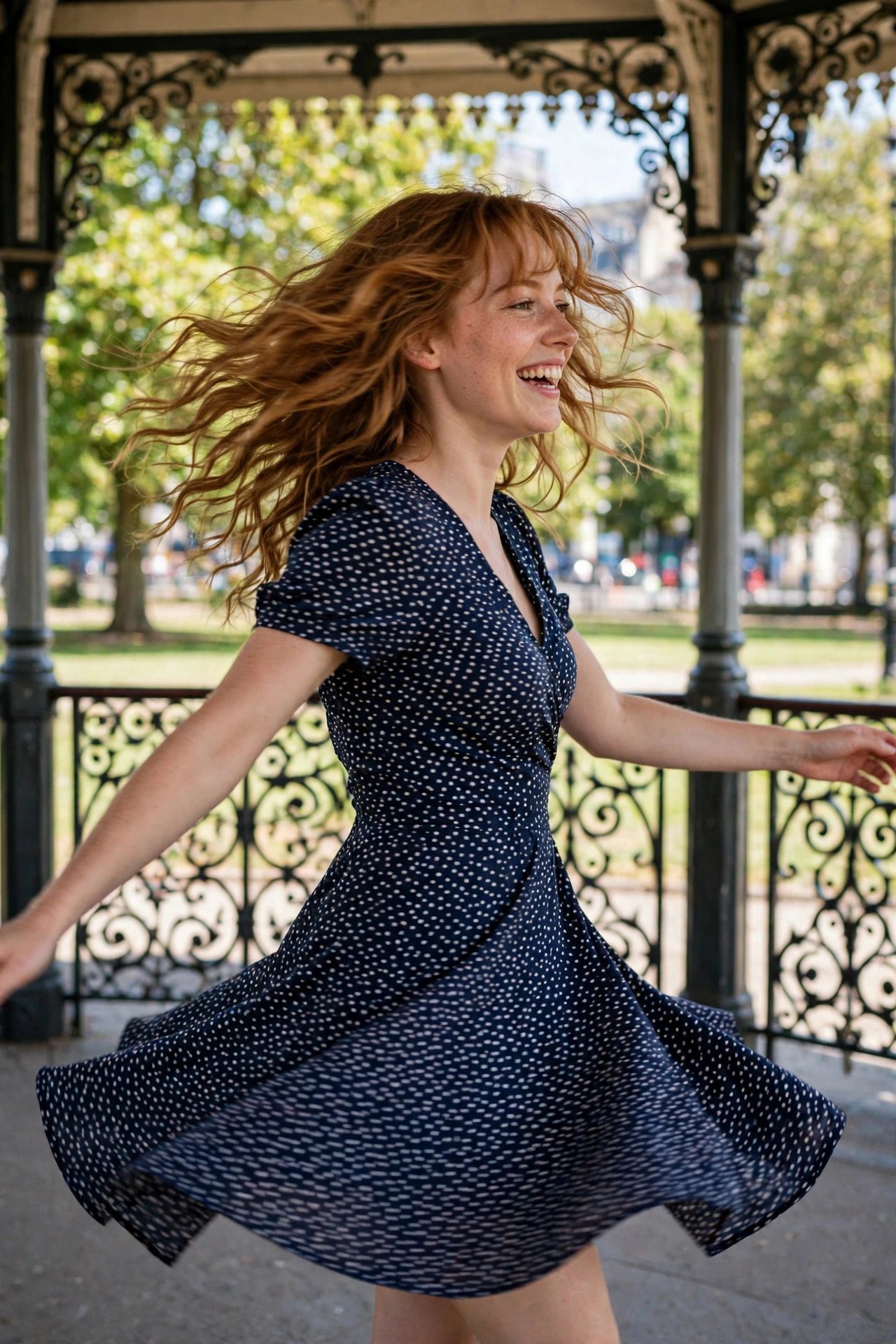
Curtain bangs and wavy hair were made for each other. The fringe parts in the middle and blends into face-framing layers, curving around the forehead and cheekbones, while the waves give it soft, natural movement that straight hair has to be styled into. It is the most forgiving bang style for wavy hair, growing out without an awkward stage and suiting almost every face shape. Ask your stylist to cut the bangs on dry hair, because waves shrink as they dry and a fringe cut wet can end up much shorter than planned. Keep the shortest piece at the cheekbone so it frames the face. Style it by wrapping the front pieces around a round brush while blow-drying, or just let them air-dry. Our curtain bangs guide covers styling and grow-out.
The Butterfly Cut for Wavy Hair
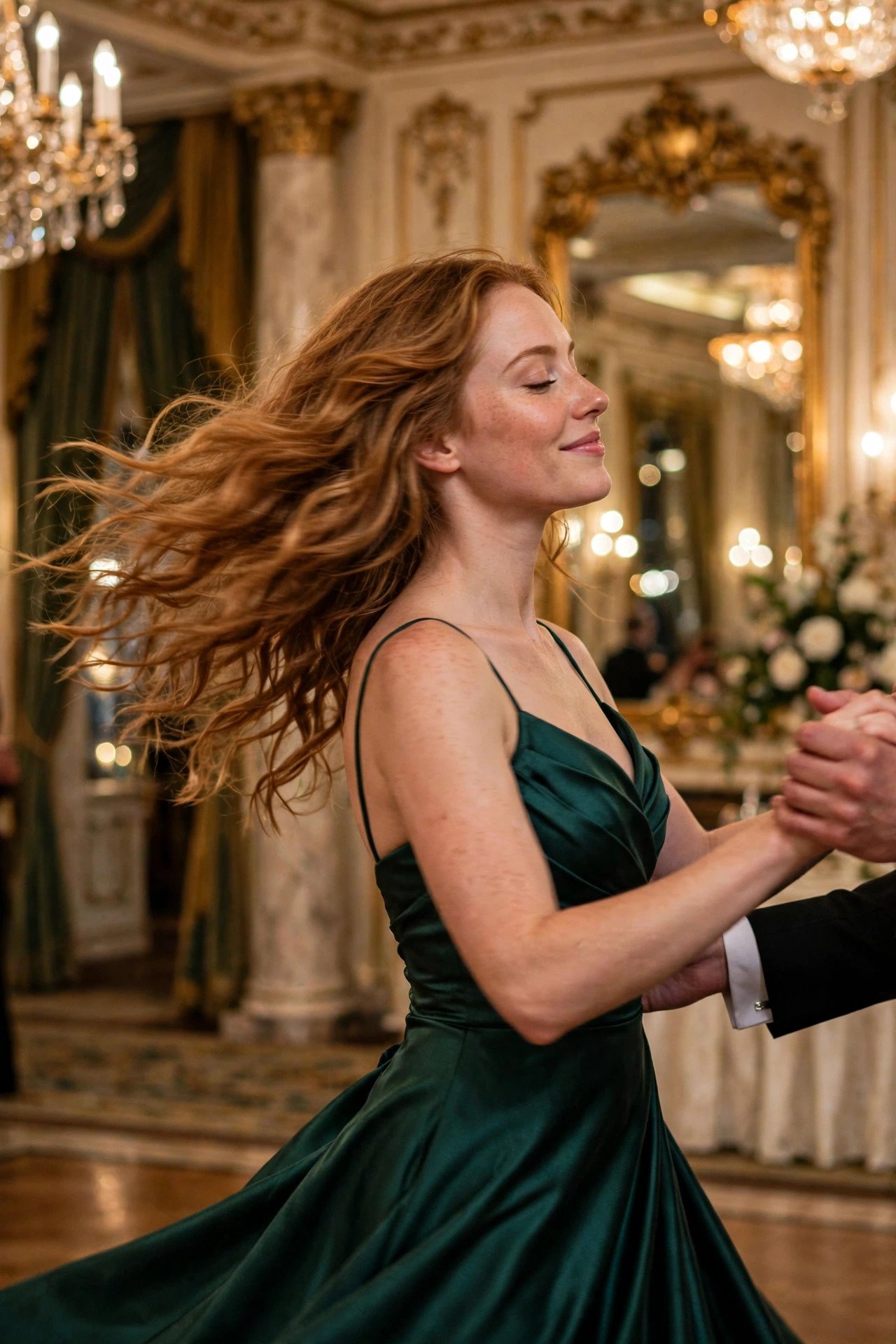
The butterfly cut keeps showing up in salons for a reason: shorter layers around the face for lift, length left intact for drama. On wavy hair it is especially good: face-framing layers give the waves a place to curl and bounce, while longer back layers keep the weight that anchors the pattern. The finish is plush and bouncy, with big, swooping bends that look like a fresh blowout. Ask for a long butterfly cut with cheekbone-to-collarbone face framing. It suits loose and defined waves alike, and it grows out gracefully. Style it with a large-barrel curling wand on the front pieces only. Our butterfly haircut guide covers the cut in detail.
Long Beach Waves
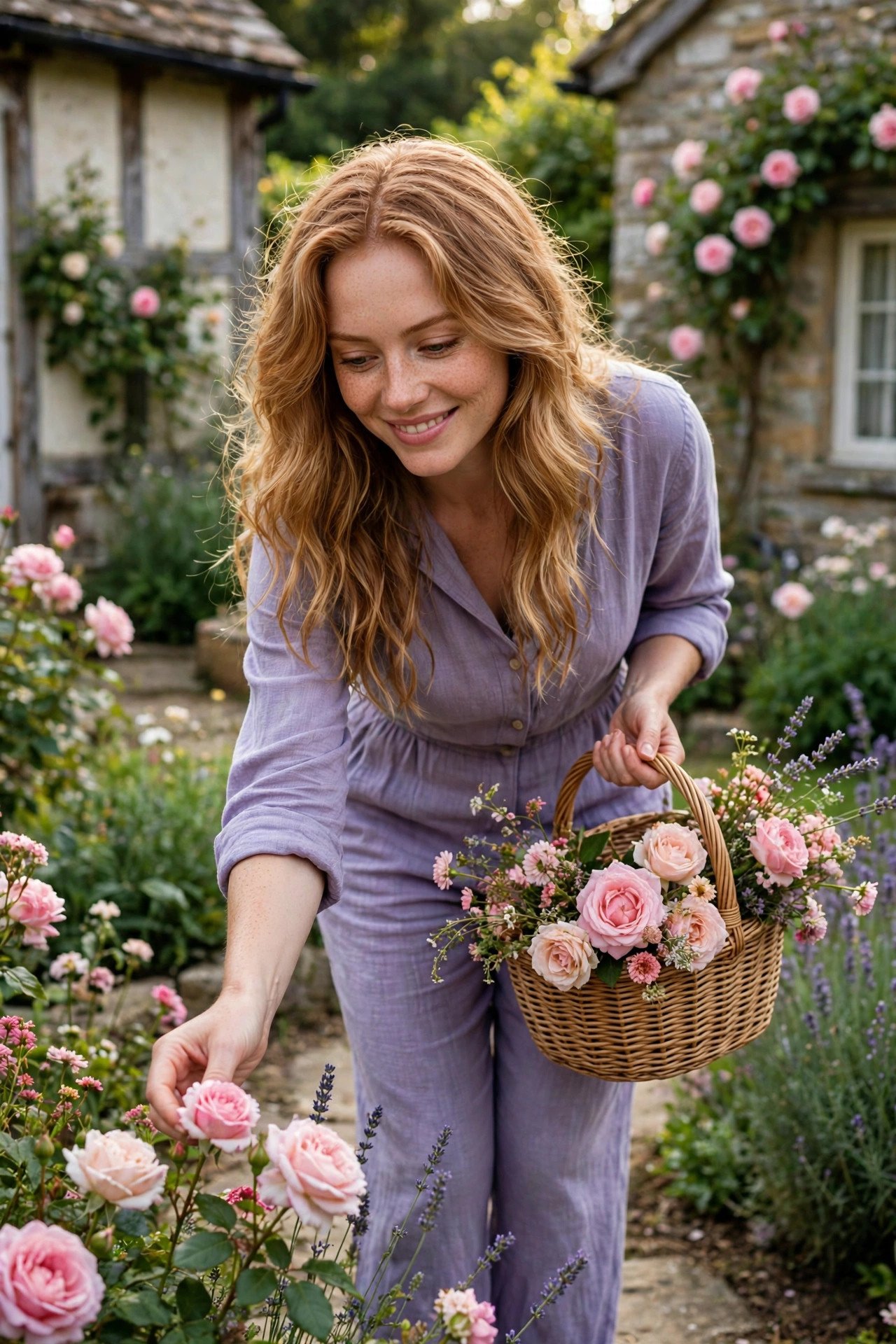
Long, soft beach waves are the definition of effortless elegance — sun-kissed, textured hair that moves like you just walked out of the ocean. The cut behind the look is simple: long layers through the length, with the shortest layer starting no higher than the collarbone, so the waves have room to form without the top going flat. The layers are cut long and soft, not choppy, keeping the silhouette romantic rather than edgy. This is the lowest-maintenance long cut for wavy hair: apply a wave-enhancing mousse or sea salt spray to damp hair, scrunch, and air-dry. A trim every 10 to 12 weeks keeps the ends healthy and the layers clean.
Styling and Maintaining Wavy Hair

Wavy hair rewards a light touch. Wash with a sulfate-free shampoo, condition the mid-lengths and ends, and never brush it dry — a wide-tooth comb on wet hair is the only tool you need. Apply product to damp hair: mousse for light definition, curl cream for defined waves, sea salt spray for beachy separation. Diffuse on low heat for volume, or air-dry for the softest finish, and once it is dry, leave it alone — touching waves while they set creates frizz. Sleep on a silk pillowcase, or loosely braid the hair at night. Trim every 8 to 10 weeks: without regular trims the layers grow out unevenly and the weight distribution gets thrown off.
FAQs
What is the best haircut for naturally wavy hair?
Textured long layers are the safest choice. They add movement and definition without a dramatic length change.
Should wavy hair be cut wet or dry?
Dry, or at least checked dry. Waves shrink and lift as they dry, so a cut shaped only on wet hair can end up shorter than planned.
Is a bob good for wavy hair?
A textured bob is excellent, but a blunt bob is not. The layers break up the weight and stop the triangle shape a one-length bob creates on waves.
How do I make my wavy hair less frizzy?
Use curl cream or mousse on damp hair, diffuse on low heat or air-dry, and do not touch the waves while they set.
How often should wavy hair be trimmed?
Every 8 to 10 weeks. The layers are what make the cut work, and they grow out unevenly without regular trims.
Written by the New Light team. Fancy trying one of these shapes? Send us a message and bring your favourite photograph when you visit.