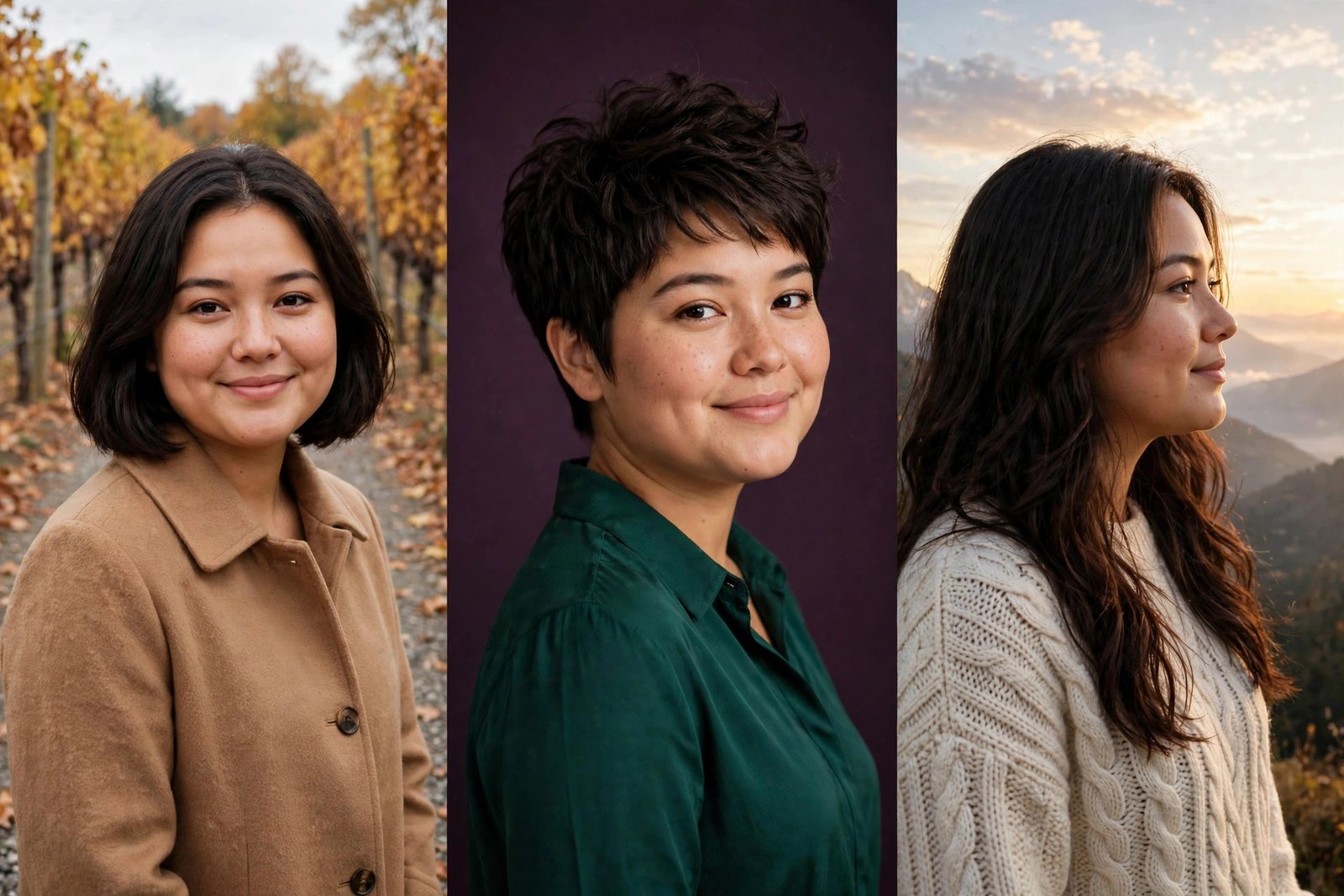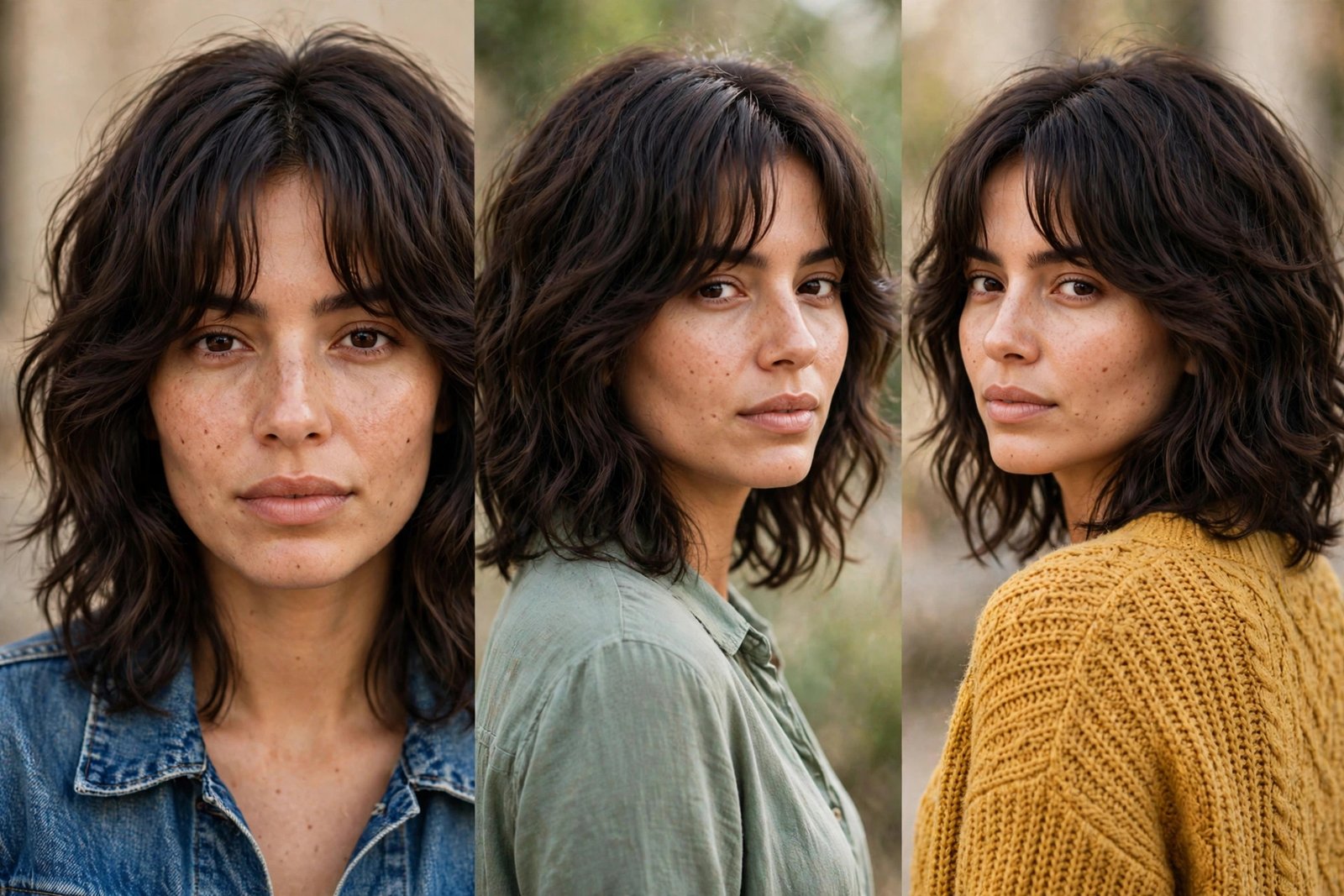
Few haircuts have survived as many decades — and comebacks — as the shag. Born in the late 1960s, made famous by Jane Fonda in Klute, worn by rock stars through the 1970s and 1980s, and revived again in the 2020s, it keeps returning because it makes hair look effortlessly cool with very little styling. If you want movement, texture and a cut that looks better slightly undone, read on.
What Is a Shag Haircut?

A shag haircut is built on graduated layers: the shortest layers sit at the crown and around the face, and the layers grow progressively longer towards the ends. The result is fullness on top, feathered, piecey ends, and a tousled, lived-in texture that looks deliberately undone rather than messy.
Two things define a true shag. First, the layers are disconnected enough to create visible texture — not a smooth, blended layered cut. Second, it almost always comes with a fringe: full, curtain or wispy face-framing pieces. The fringe is part of the shape, not an optional extra. A shag works short, medium or long, and suits almost any hair type, which is why it has lasted over fifty years.
Modern Shag Haircut

The modern shag is a softer, more wearable version of the 1970s original. The layers are still choppy, but blended just enough to avoid a harsh, spiky finish — textured and airy rather than wild.
Modern shags usually pair with curtain bangs or a soft, sweeping fringe, finished with a little wave rather than poker-straight styling. This is the version most salons cut today. If you like the idea of a shag but worry it will look too edgy for work, ask for a modern shag with soft layers.
Short Shag Haircut

A short shag ends around the jaw or just below the ears, with choppy layers through the crown and a fringe that keeps the whole shape balanced. It is bold, playful and full of movement — the kind of cut that makes fine hair look instantly thicker on top.
Short shags suit oval and heart-shaped faces best, and they are a great choice if you want a wash-and-go cut: scrunch in some texture cream, let it air-dry, and you are done. The trade-off is upkeep — short layers grow out visibly, so plan a trim every six to eight weeks. If you love short hair generally, our bob haircut guide covers the shorter, blunter alternatives.
Medium Shag Haircut
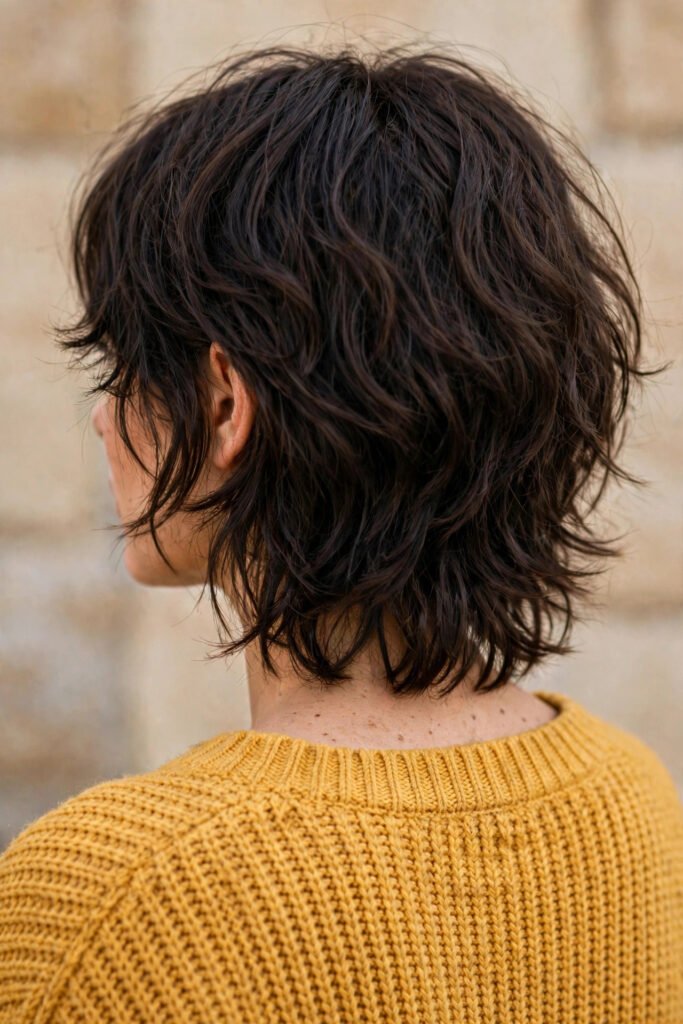
The medium shag — ending somewhere between the shoulders and the collarbone — is the most popular shag length, and for good reason. It keeps enough length for ponytails and updos, while the layers give it the movement and texture that one-length medium hair often lacks.
This is also the most forgiving shag: it suits round, oval, square and heart-shaped faces, and it works on straight, wavy and curly hair. Ask your stylist to keep the shortest layers around the cheekbones for face-framing, and to leave the ends piecey rather than blunt. It is the shag to choose if you are trying the cut for the first time.
Long Shag Haircut

A long shag keeps the length past the shoulders while adding layers from around the ears downwards, so the hair moves instead of hanging flat. The shortest layers usually start at ear or chin level, which keeps the shape soft and avoids the heavy, triangular look long hair can develop.
Long shags are a brilliant choice for thick hair, because the layers remove bulk without sacrificing length, and for anyone growing out a shorter cut — the layers make the awkward in-between stages look intentional. Style it with loose waves or let it air-dry for the full bohemian effect. For more long-layered inspiration, see our lob haircut guide.
Shag Haircut with Bangs

Bangs are not optional on a shag — they are part of its DNA. The classic pairing is curtain bangs that part in the middle and sweep to the cheekbones, blending straight into the face-framing layers. But a full, choppy fringe works beautifully too, especially on short and medium shags.
The right fringe depends on your face shape: longer, sweeping bangs flatter round faces, while a shorter, piecey fringe suits oval and long faces. Tell your stylist how much forehead you are happy to show, and whether you will style the fringe daily — a fringe you have to fight every morning is a fringe you will regret.
Curly Shag Haircut

Curly hair and shag cuts are a natural match. The layers remove weight so curls spring up instead of dragging down, and the shag’s textured finish works with your natural curl pattern rather than against it. The result is a rounded, voluminous shape full of movement.
A few rules matter for curly shags: the cut should be done on dry or diffused hair so the stylist can see how each curl falls, the layers should be longer than you think (curls shrink as they dry), and heavy thinning shears should stay away — they create frizz. Finish with curl cream and a diffuser, and avoid brushing it dry.
Shag Haircut for Fine Hair
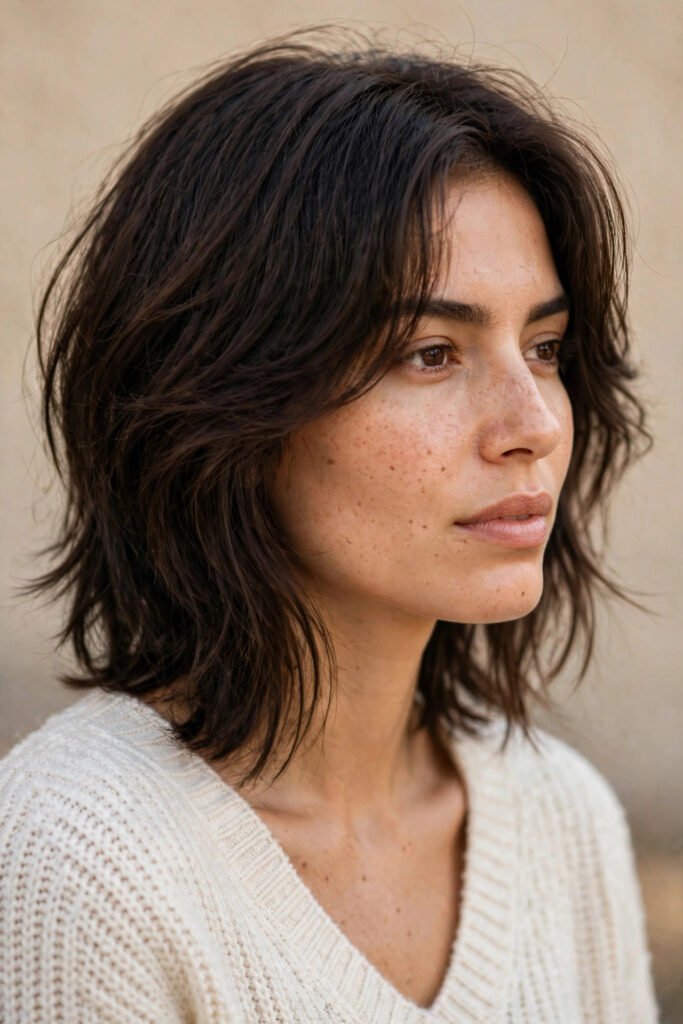
Fine hair needs careful handling in a shag. Because the cut puts volume at the crown and thins towards the ends, over-layering can leave fine hair looking sparse at the bottom. The fix is a fine-hair shag: fewer, longer layers, with the shortest layer kept no higher than the cheekbones, so the ends keep some weight.
Done right, a shag is actually flattering for fine hair — the crown layers create lift and fullness that one-length fine hair rarely achieves. Ask for soft, internal texture rather than aggressive choppy layers, and use a volumising mousse at the roots. Avoid heavy oils, which flatten fine shag layers fast.
Shag Haircut for Round Face

For a round face, the shag’s job is to add length and angles. The most flattering version keeps the length at or below the chin, pairs with a longer sweeping fringe rather than a short blunt one, and keeps the volume at the crown rather than at the sides — height on top visually lengthens the face.
Face-framing layers that start at the cheekbones and angle downwards also help, drawing the eye vertically instead of outwards. Avoid very short, wide shags with lots of side volume, which can make a round face look rounder. A medium or long shag with a side-swept fringe is usually the safest, most flattering choice.
Shag Haircut for Women Over 50

The shag is one of the best haircuts for women over 50, because it solves the two most common complaints about ageing hair: flatness and thinning. The crown layers add volume where hair tends to go limp, and the textured ends make finer hair look fuller and more youthful.
For a modern, age-appropriate shag, keep the layers soft rather than spiky, add a side-swept or curtain fringe to soften the forehead, and consider subtle highlights through the layers — they emphasise the texture beautifully. A medium-length shag is the easiest to maintain, and it grows out gracefully between salon visits.
Shag vs Wolf Cut

The wolf cut is essentially the shag’s wilder younger cousin — and the two are often confused. Both use heavy layering and a fringe, but the wolf cut is shorter and choppier at the front, with a shape closer to a mullet: lots of volume on top, thinner, wispier length at the back.
| Feature | Shag Haircut | Wolf Cut |
|---|---|---|
| Layers | Graduated, feathered, blended | Choppy, disconnected, extreme |
| Front length | Balanced with the back | Much shorter, mullet-like |
| Overall vibe | Effortless, rock-chic | Edgy, rebellious, Gen Z |
| Best for | Most ages and lifestyles | Bold, trend-led looks |
Choose the shag if you want texture you can wear anywhere; choose the wolf cut if you want the most dramatic, trend-forward version of the same idea.
How to Style and Maintain a Shag
A shag’s biggest selling point is its low maintenance. Most days, let it air-dry with texture spray or mousse scrunched through the lengths. For more polish, blow-dry with a round brush, flipping layers outwards, or add loose waves with a flat iron.
- Wash less, texture more: second-day hair holds a shag’s shape better than freshly washed hair.
- Trim every 6–8 weeks: layers lose their shape as they grow, so regular trims keep the texture crisp.
- Use light products: texture spray, sea-salt spray or light mousse — heavy creams flatten the layers.
- Bring photos to your stylist: “shag” means different things to different stylists, so show exactly which version you want.
FAQs
Is a shag haircut good for thin hair?
Yes, with the right approach. A fine-hair shag uses fewer, longer layers to keep weight at the ends while adding lift at the crown. Avoid over-layering, which can make thin hair look sparse.
Does a shag haircut require bangs?
Almost always, yes. A fringe — full, curtain or wispy — is part of the shag’s shape and balances the short crown layers. A layered cut without bangs is closer to a standard layered cut than a true shag.
How often should you trim a shag haircut?
Every six to eight weeks. The layers grow out unevenly, so regular trims keep the texture and shape looking intentional rather than overgrown.
Is the shag haircut still in style in 2026?
Yes. The modern shag remains one of the most requested cuts, with softer layers and curtain bangs keeping it current. It has survived every trend cycle since the 1970s for a reason.
Can you get a shag haircut with straight hair?
Absolutely. Straight hair shows the layers beautifully, though you may need a little texture spray or wave styling to get the full tousled effect. Ask for softer layers if your hair is very straight and fine.
Written by the New Light team. Fancy trying one of these shapes? Send us a message and bring your favourite photograph when you visit.