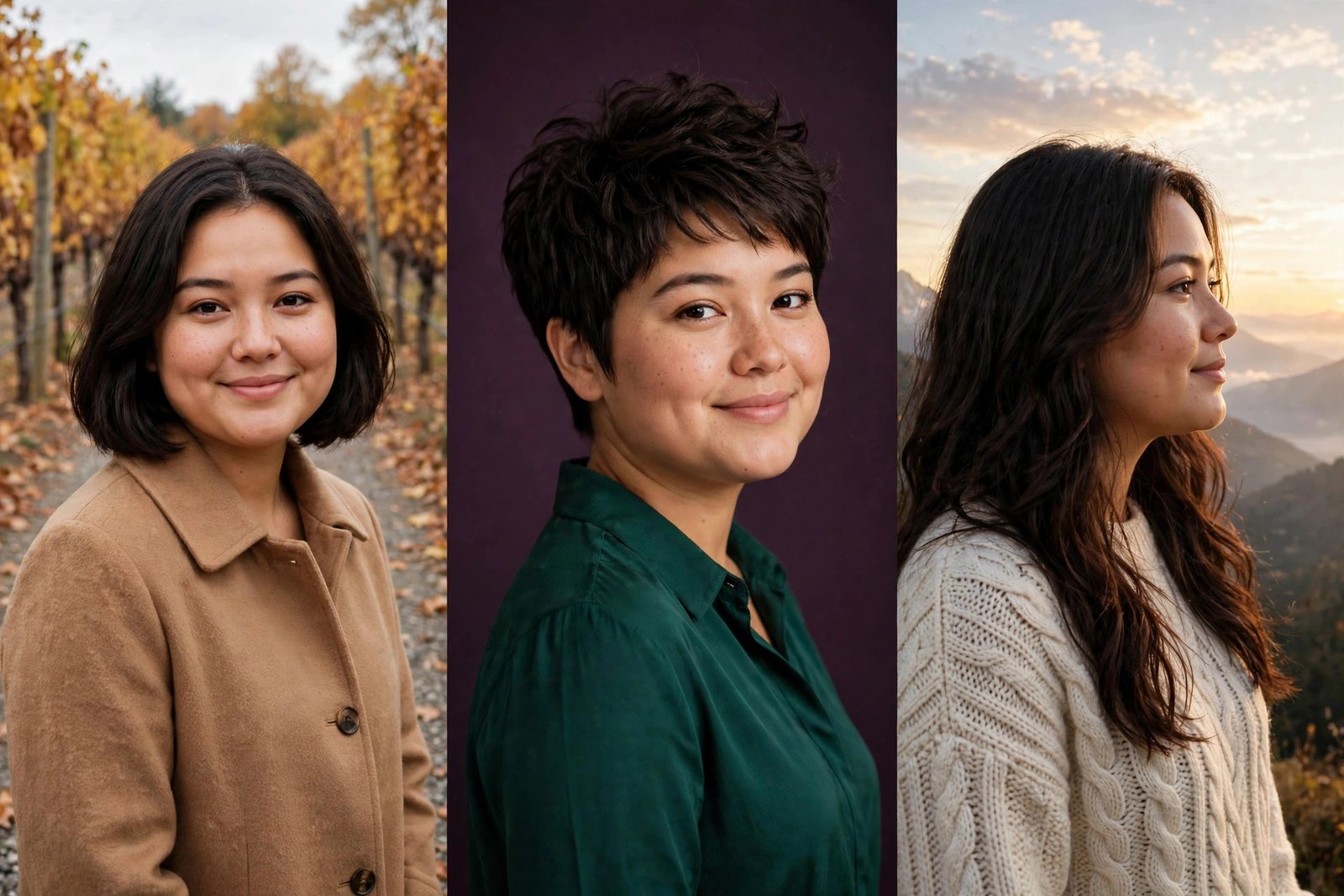
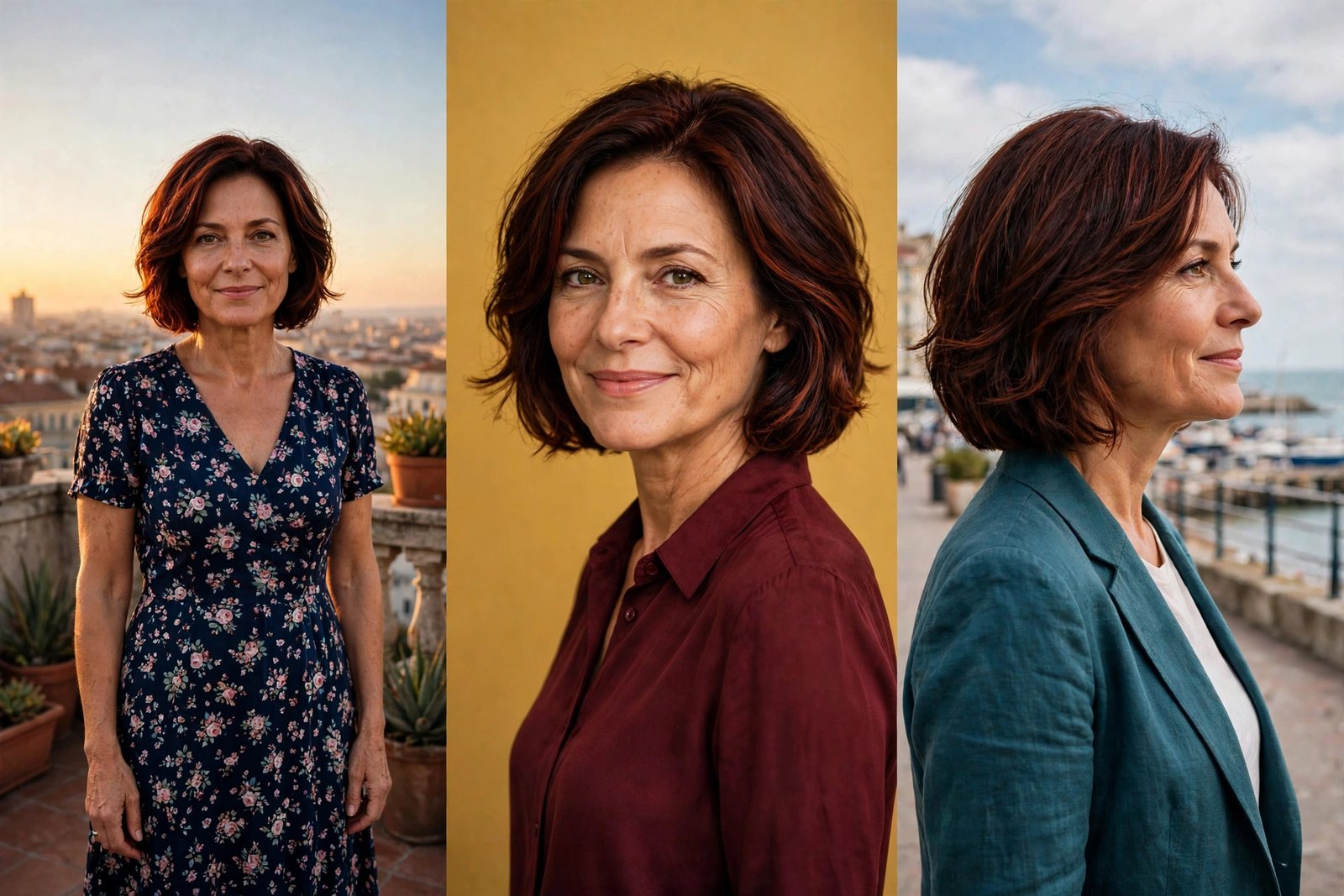
Of all the bob haircuts, the French bob has the most devoted following — and for good reason. Cut shorter and left softer than its classic cousin, it is the rare short cut that looks better on day three than on the morning you leave the salon. Born in 1920s Paris as an act of rebellion, it is back as the defining haircut of 2026. Here is what the cut involves, the bangs question answered, who it suits, and the one-minute style routine.
What Is a French Bob Haircut?

The French bob is a chin-length (or slightly above) bob defined by minimal layering and a deliberately undone finish. Three things separate it from every other bob: length, shape, and bangs. The length sits at the chin or just above — shorter than a classic bob — framing the jaw and drawing attention to the cheekbones. The shape is mostly blunt with little layering, the ends left soft rather than razor-sharp so the hair moves. And the bangs: the classic version comes with short, wispy bangs at or just above the eyebrows, the 1920s original. Modern versions bend the rules — curtain bangs, micro bangs, or none at all. The finish is the signature: air-dried, tousled, intentionally imperfect, like you woke up with great hair.
French Bob vs Classic Bob

The classic bob is the more polished sibling — longer, sleeker, styled smooth. The French bob is shorter, lighter, and proud of its imperfection:
| Feature | French Bob | Classic Bob |
|---|---|---|
| Length | Chin or above | Neck to collarbone |
| Bangs | Usually short, textured | Optional |
| Texture | Undone, airy | Sleek or polished |
| Styling time | About a minute | 5–10 minutes |
| Best for | Low-effort chic | Refined polish |
If you love mirror-shine blowouts, the classic cut is your match; if you want wash-and-go chic, go French. Our complete bob haircut guide covers every length and variation in full detail.
French Bob with Bangs

The French bob with bangs is the combination most people picture. Brow-skimming, textured bangs sit at or just above the eyebrows, softening the forehead and framing the eyes. They suit oval, heart, and long faces best, where the fringe visually shortens longer proportions. Round faces should pick a longer curtain fringe or side-swept bangs, which elongate rather than widen. Thick, blunt bangs give the iconic 1920s look but need trims every three to four weeks; wispy bangs grow out more gracefully and forgive cowlicks. One honest caveat: bangs add a quick morning brush pass — still well under five minutes for the whole cut.
Who Does a French Bob Suit?

- Oval: all versions work — this is the easiest face shape to cut for.
- Round: go slightly longer with curtain or side bangs to elongate the face.
- Square: textured ends plus a soft fringe soften a strong jawline.
- Heart: chin length with wispy or bottleneck bangs balances a narrower chin.
- Long: bangs are your friend — they visually shorten the face; skip ear-length cuts.
- Over 50: soft waves create lift; the cut reads youthful without trying too hard.
Straight to wavy hair needs the least styling. Curly hair (2b–4c) looks bouncy and natural — ask for a dry cut to control shrinkage. The blunt perimeter creates the illusion of fullness on fine hair.
How to Style a French Bob

The famous 60-second routine — the cut does the heavy lifting:
- Apply sea-salt or texture spray to damp hair.
- Air-dry or rough-dry upside down for volume.
- Lightly scrunch the ends for movement.
- Finger-comb the bangs into place.
- Finish with one drop of lightweight oil through the ends.
Aim for movement, not perfection. Skip daily heat styling and book a trim every six to eight weeks to keep the blunt shape sharp.
How to Ask Your Stylist for a French Bob
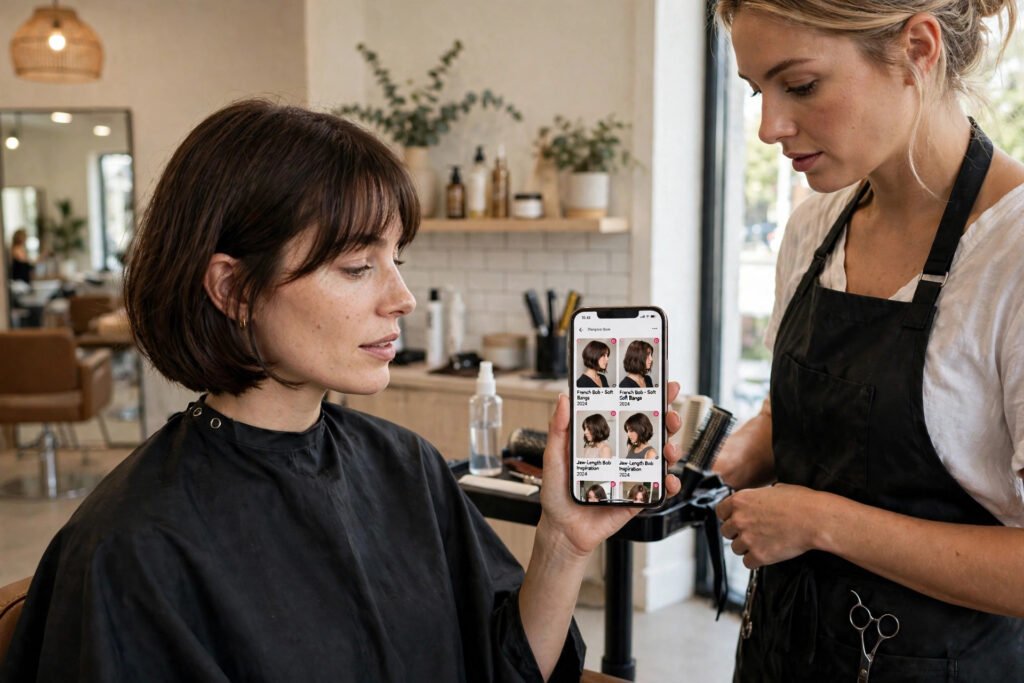
Bring three reference photos — “French bob” means slightly different things to different stylists. Ask for “a blunt, chin-length bob with minimal layering and soft textured ends, finished with short brow-skimming bangs.” Thick hair may need subtle internal thinning so the shape doesn’t balloon; curly hair should be cut dry. Agree the bang length before scissors touch — it is the most subjective part of the cut. A good French bob grows out gracefully for eight to twelve weeks, making it one of the lowest-commitment short cuts you can book.
FAQs
French bob vs Italian bob — what is the difference?
The Italian bob is fuller, glossier, and usually slightly longer with a bouncy blowout finish; the French bob is shorter, crisper, and proudly undone.
Is the French bob high maintenance?
No — the air-dried finish is the point. Trims every six to eight weeks keep the shape; bangs need a tidy-up every three to four.
Can I wear a French bob without bangs?
Yes. A side-swept fringe, curtain fringe, or a clean centre part all work — the cut still reads as French without the full fringe.
Does the French bob work for thick hair?
Yes, with subtle internal thinning so the shape stays controlled rather than widening out at the ends.
How do I refresh it on day two or three?
Spritz water or dry shampoo at the roots and scrunch — it often looks better than day one.
Written by the New Light team. Fancy trying one of these shapes? Send us a message and bring your favourite photograph when you visit.