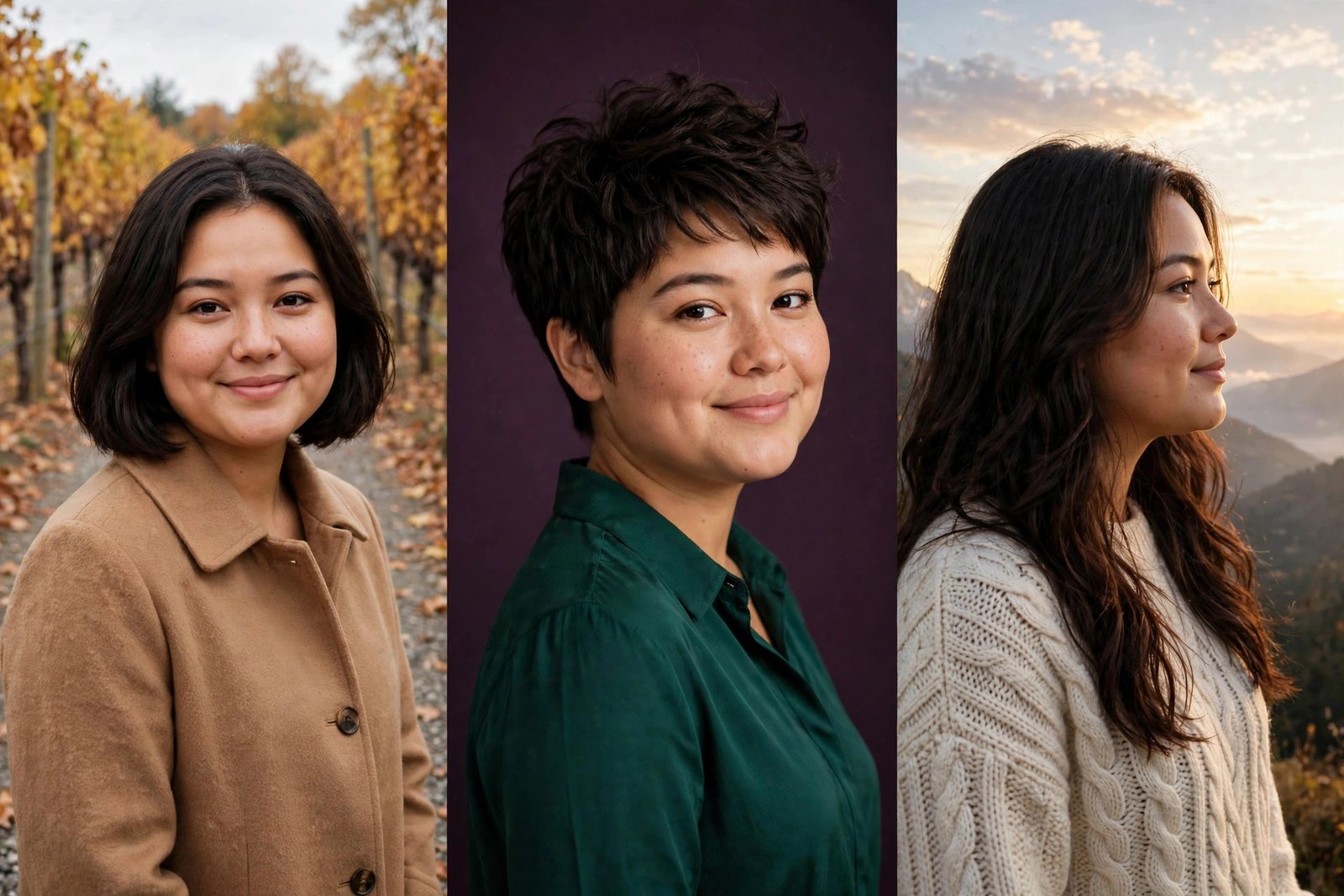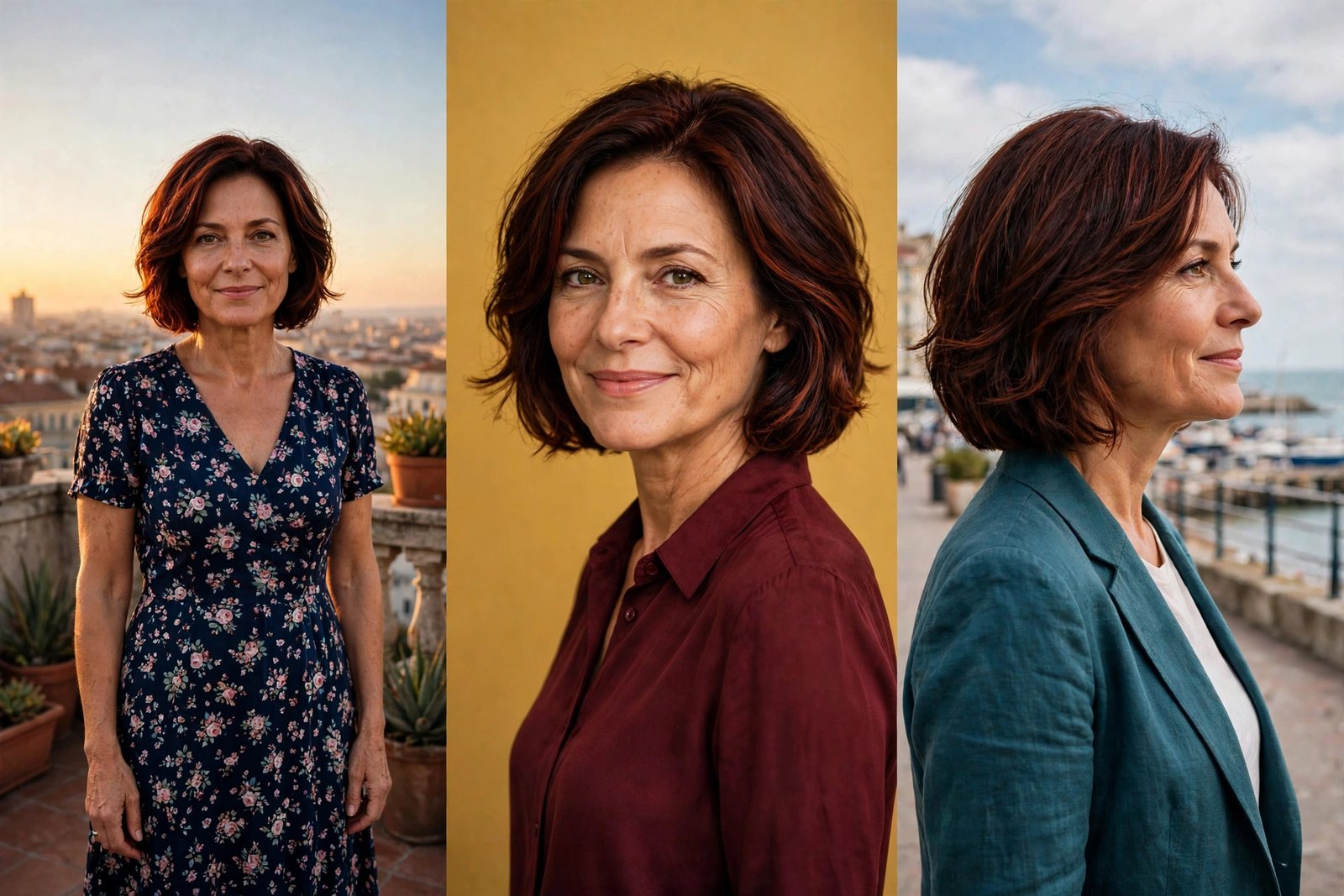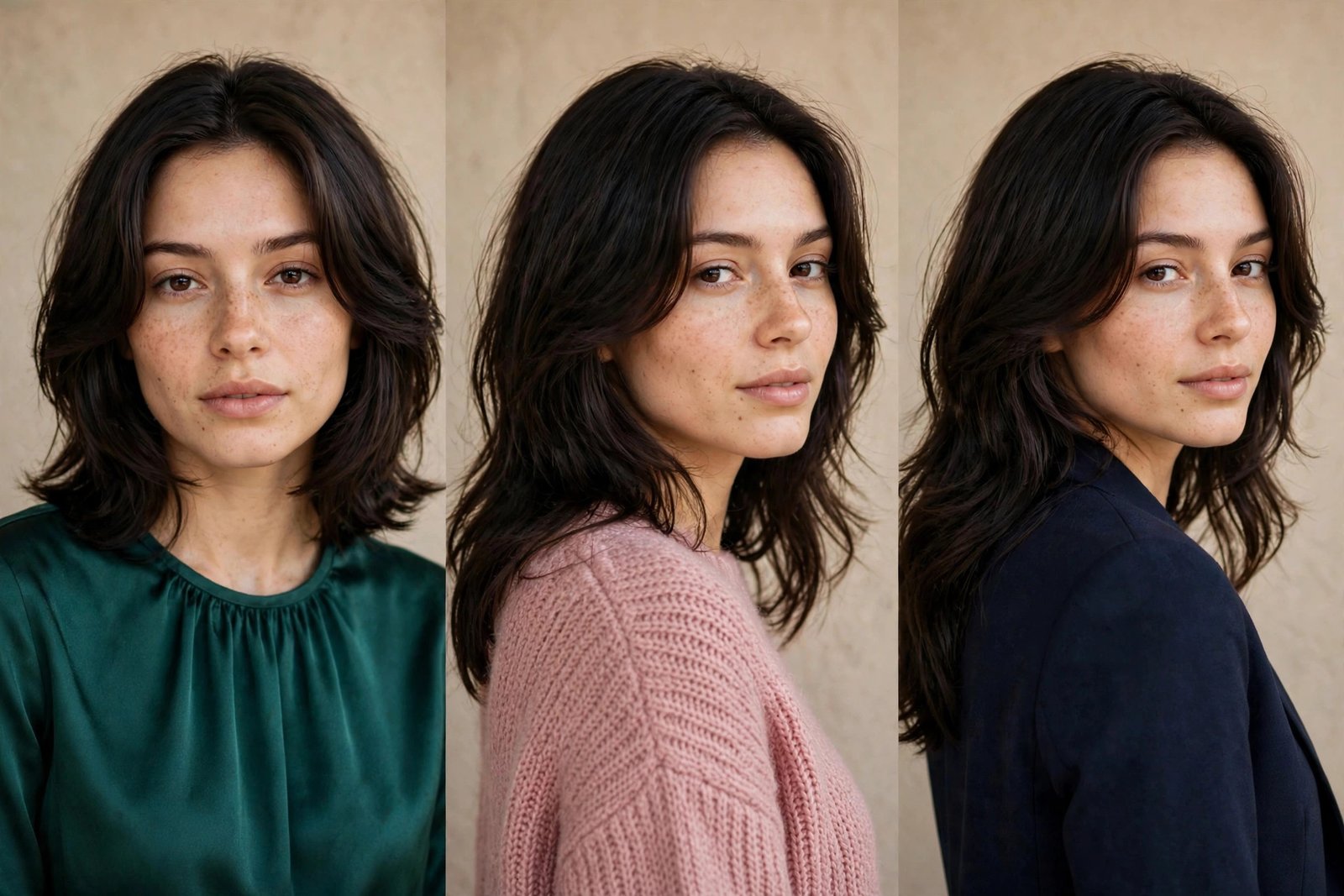
The butterfly haircut is two haircuts in one: short layers at the front that look like a fresh chop, and long layers at the back that keep all your length. That optical illusion is why it became one of the most requested cuts of recent years — you get the volume and movement of short hair without committing to cutting it all off. Here is how it works, who it suits, and what to ask for.
What Is a Butterfly Haircut?
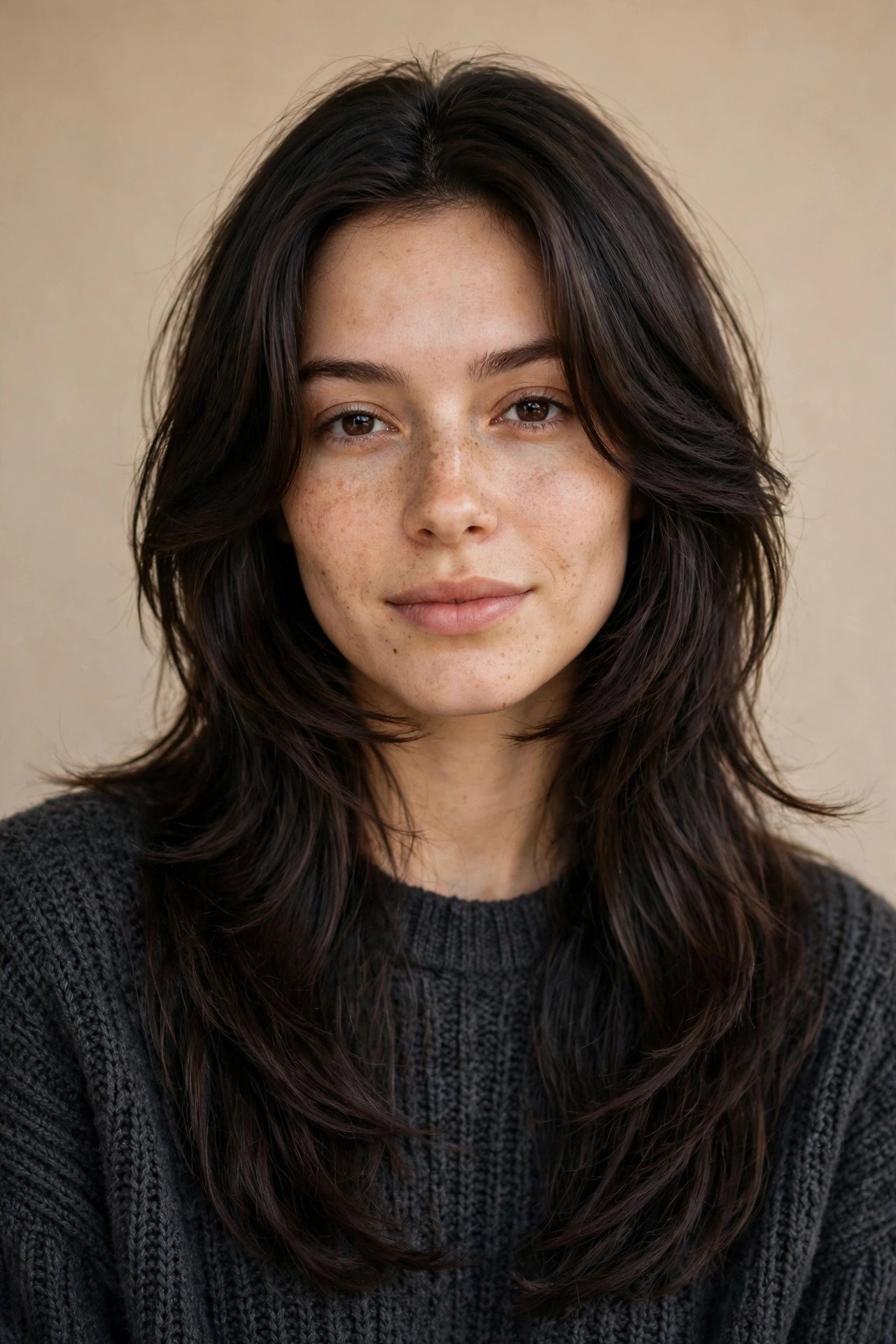
A butterfly haircut is a heavily layered cut named for the way its layers fan out like butterfly wings. Shorter layers frame the face and add lift at the crown, while longer layers cascade past the shoulders, so the cut looks short from the front and long from behind. Coined by celebrity hairstylist Sunnie Brook, it draws on 1970s feathered styles and the 1990s “Rachel” cut, updated with softer, more blended layering. It works best on hair at least shoulder length, so there is enough length for the two tiers to separate.
Butterfly Haircut with Layers

The layers are the whole point of this cut, and they work in two distinct tiers. The top tier — the “upper wings” — is cut short, with the shortest pieces falling two to three inches below the chin to frame the face and create volume. The lower tier — the “lower wings” — keeps long layers through the back for length and softness. The gap between the tiers is deliberate: it is what lets you pin the long layers back and reveal what looks like a short cut, then let them down again for full length.
Butterfly Haircut for Short Hair

A short butterfly cut, often called the butterfly bob, focuses on texture and volume around the crown rather than length. Face-framing layers let the hair swing away from the face, and the cut suits you if your hair is too short for the classic long version but you still want that winged movement. It needs less length to work than the long version — chin to shoulder length is enough — and it is a good stepping stone if you are working toward the full butterfly cut as your hair grows.
Butterfly Haircut for Fine Hair

Fine hair needs a careful version of this cut, because too many layers can make it look thinner. The trick is restraint: fewer, longer layers, a full perimeter, and volume built at the crown rather than weight removed from the ends. A butterfly bob is often the better choice for finer hair, since its shorter shape adds fullness. Use a volumising mousse at the roots and a round-brush blow-dry, and avoid heavy oils that flatten the lift the layers create.
Butterfly Haircut for Curly Hair
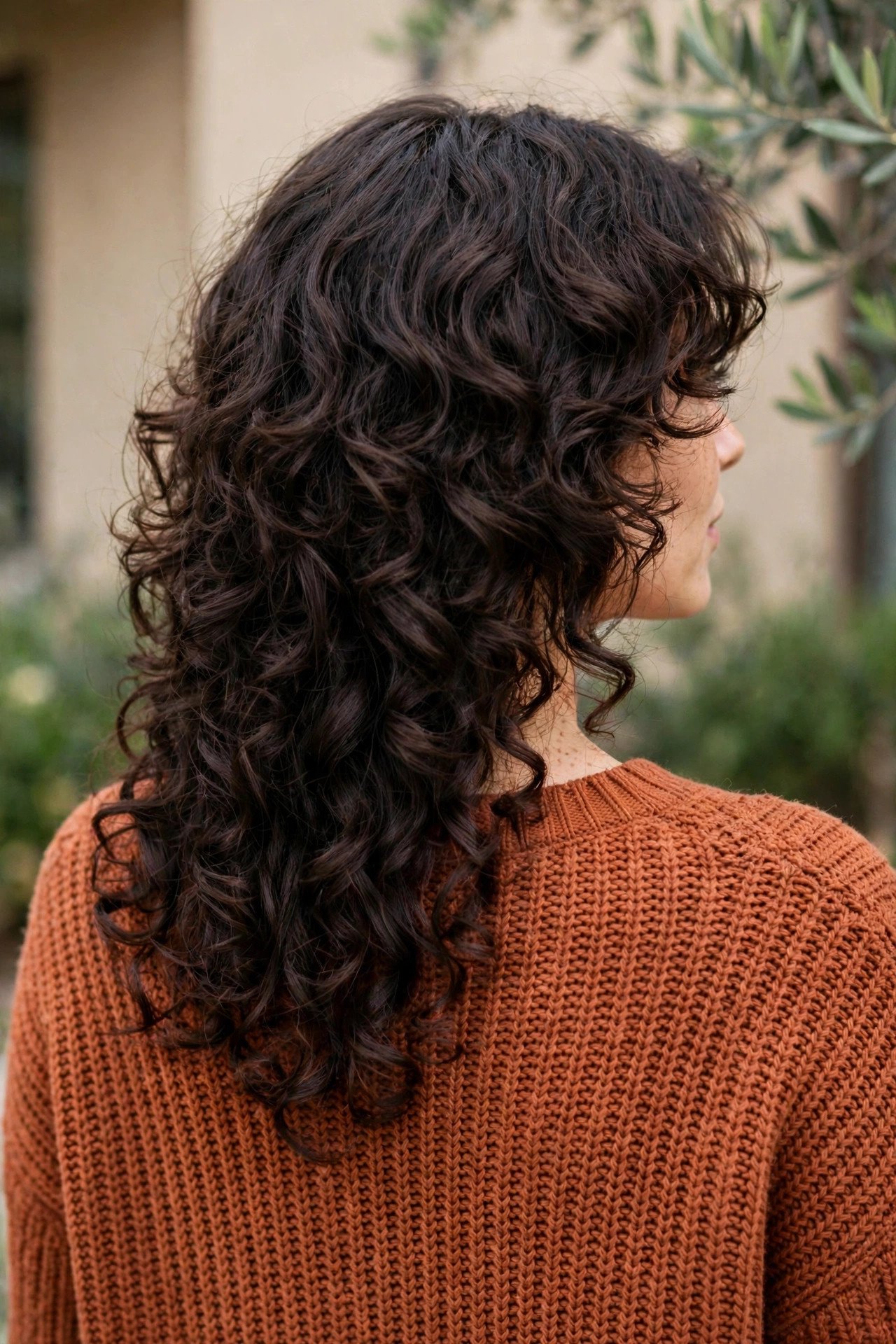
Curly hair and the butterfly cut are a natural match. Layers enhance the curl pattern instead of fighting it, giving curls a cascading, airy effect: shorter layers frame the face while longer layers balance the silhouette. Ask for a dry cut so the layers are shaped on your real curl pattern, and use a curl cream plus diffusing to keep definition without frizz. The result is volume that looks intentional rather than triangular — the classic problem layers solve for curly hair.
Butterfly Haircut with Bangs

Bangs complete the butterfly look for many people, and curtain bangs are the natural choice. They blend straight into the short face-framing layers, so the fringe, the layers and the long lengths read as one flowing shape. A soft, wispy fringe also leans into the cut’s 1970s roots. If a full fringe feels like a commitment, start with longer curtain bangs that reach the cheekbones — they grow out by simply becoming another face-framing layer.
Butterfly Haircut vs Wolf Cut

Both cuts are heavily layered, but their finishes are opposites. A wolf cut uses choppy, disconnected layers for a tousled, edgy look. A butterfly cut uses blended layers for a soft, airy, polished finish.
| Feature | Butterfly Haircut | Wolf Cut |
|---|---|---|
| Layers | Blended, two-tiered | Choppy, disconnected |
| Finish | Soft, voluminous, polished | Tousled, edgy, undone |
| Length | Long lengths kept | Often shorter overall |
The butterfly cut is also gentler than the shag haircut, which uses obvious razor-cut texture throughout, while the butterfly cut keeps its texture soft and its outline full.
How to Ask for a Butterfly Haircut
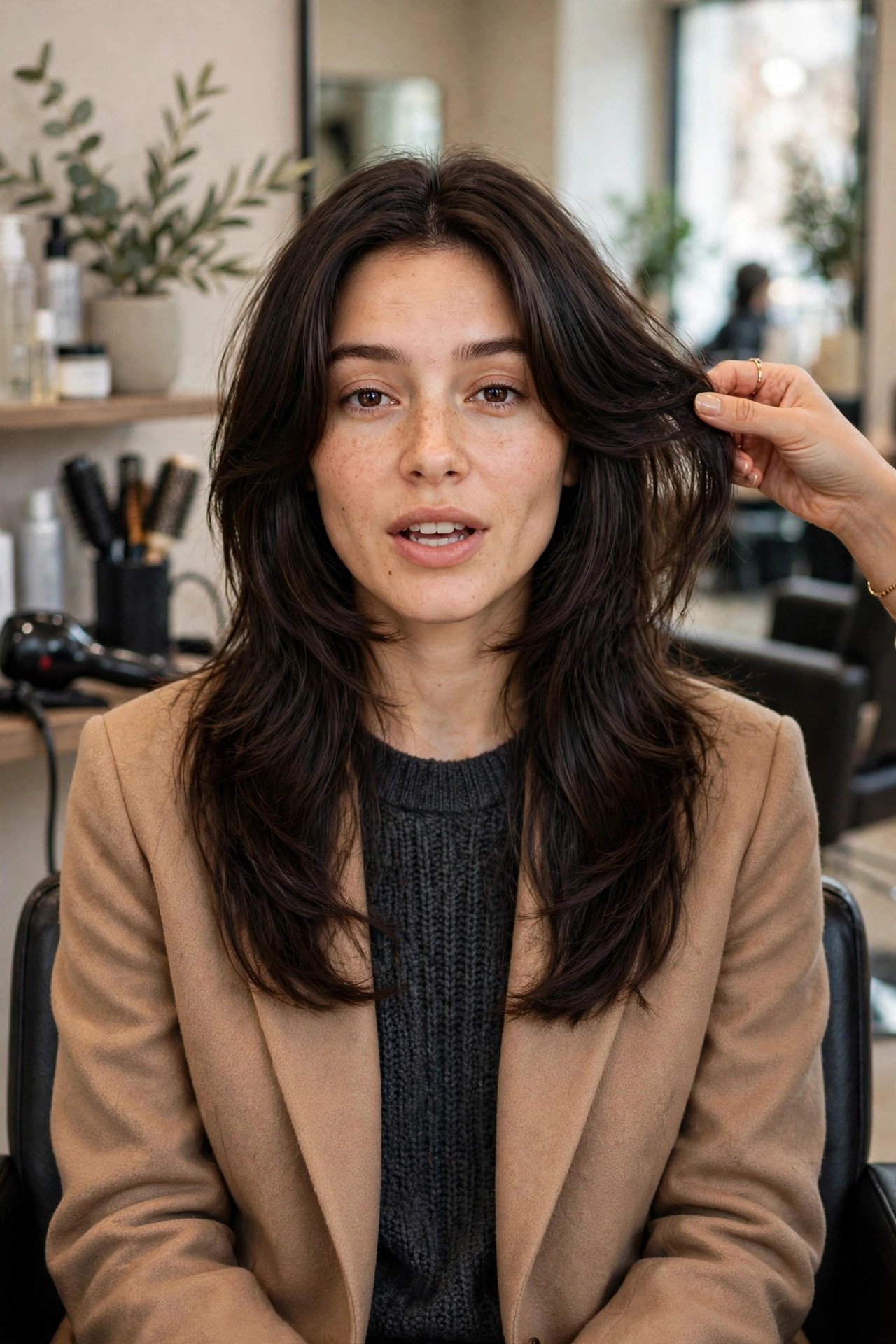
Bring reference photos — including versions you do not like — and choose photos of hair with a texture similar to yours. Tell your stylist: short face-framing layers starting two to three inches below the chin, long layers through the back past the shoulders, and a clear separation between the two tiers. Show them exactly where you want the shortest layer to fall by holding a piece of hair to that length. Be clear about your texture, your length, and how much styling you are willing to do daily, so the layering is set to match.
How to Style a Butterfly Haircut

Styling a butterfly cut is flexible, which is part of its appeal.
- The 1970s blowout: a round brush and blow dryer lift the crown and flick the face-framing layers away from the face.
- The faux bob trick: pin the long layers back into a low ponytail or bun and the short layers take centre stage, looking just like a lob haircut.
- Air-dried: a texturising spray or leave-in conditioner adds definition, and the cut keeps its volume even without heat.
- Waves: a large-barrel iron through the mid-lengths gives soft, bouncy movement without disturbing the layers.
A touch of hair oil on the ends keeps the long tier looking healthy and shiny.
How to Maintain a Butterfly Haircut
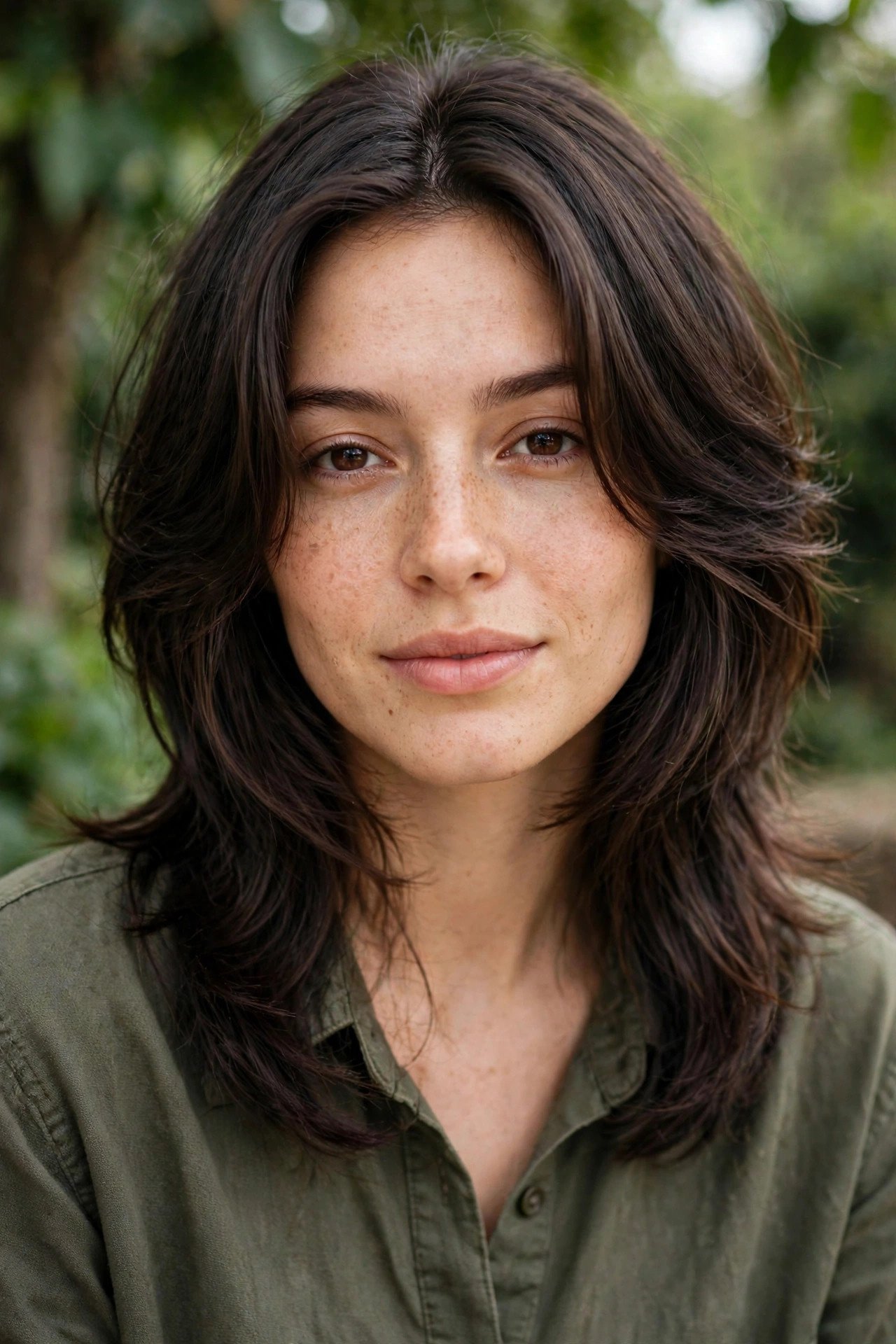
Trims every six to eight weeks keep the two tiers distinct — left too long, the short layers grow into the long ones and the butterfly shape blurs. Between cuts, a volumising shampoo and a light conditioner keep the lift, while a weekly mask keeps the long lengths healthy. The cut grows out gracefully, but the face-framing layers are the first thing to lose shape, so ask your stylist to refresh just those pieces if you want to stretch the gap between full cuts.
FAQs
What is a butterfly haircut?
A layered cut with short face-framing layers on top and long layers underneath, giving the look of short hair from the front and long hair from behind.
Does a butterfly haircut work on fine hair?
Yes, with restraint: fewer, longer layers, a full perimeter, and crown volume. A butterfly bob is often the best version for fine hair.
How is a butterfly haircut different from a wolf cut?
A wolf cut is choppy and edgy; a butterfly cut is blended and soft, with a polished, voluminous finish.
What length do I need for a butterfly haircut?
At least shoulder length is ideal, so the short and long tiers have room to separate. Shorter hair suits the butterfly bob version instead.
How often should a butterfly haircut be trimmed?
Every six to eight weeks keeps the short and long tiers distinct and the shape defined.
Written by the New Light team. Fancy trying one of these shapes? Send us a message and bring your favourite photograph when you visit.