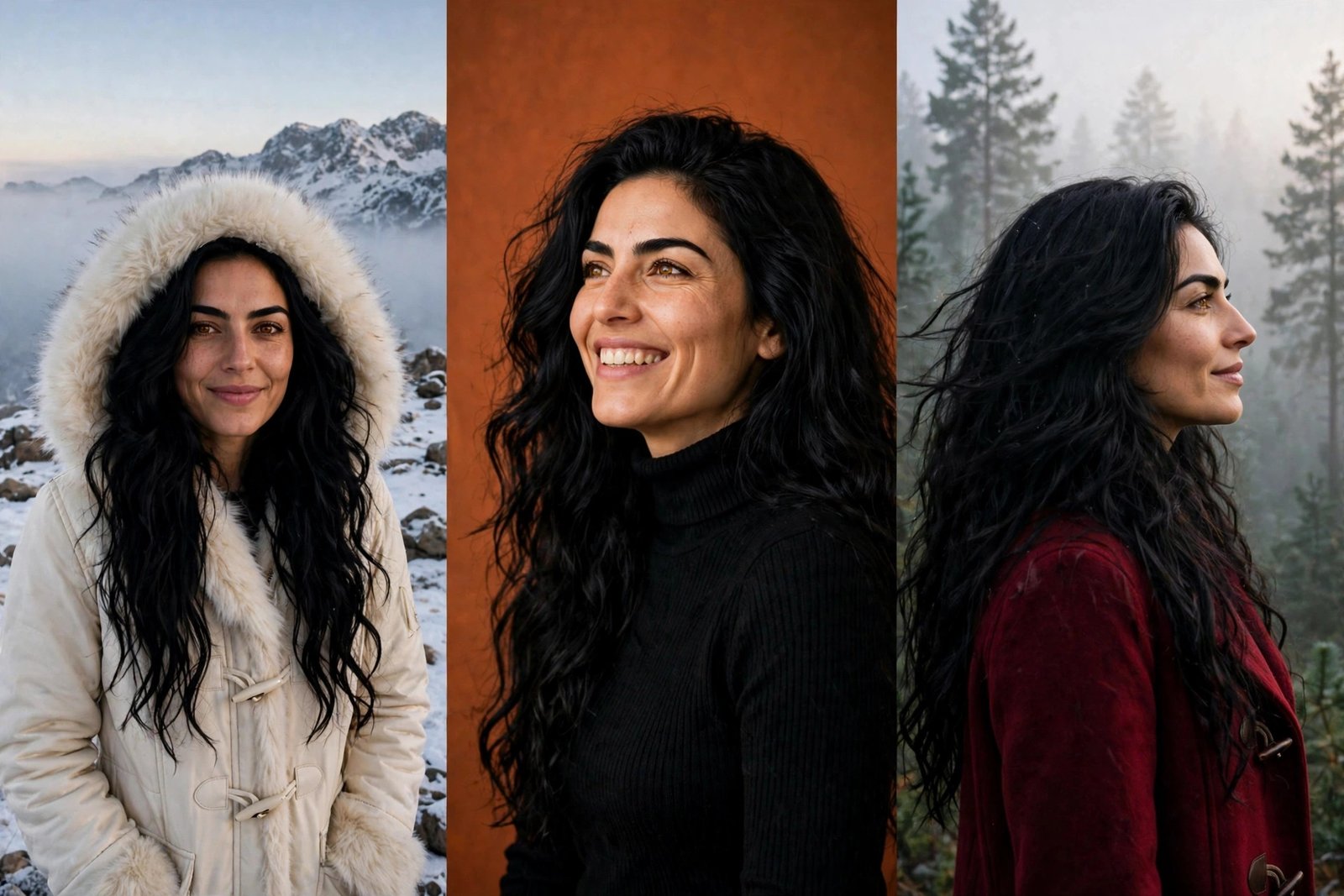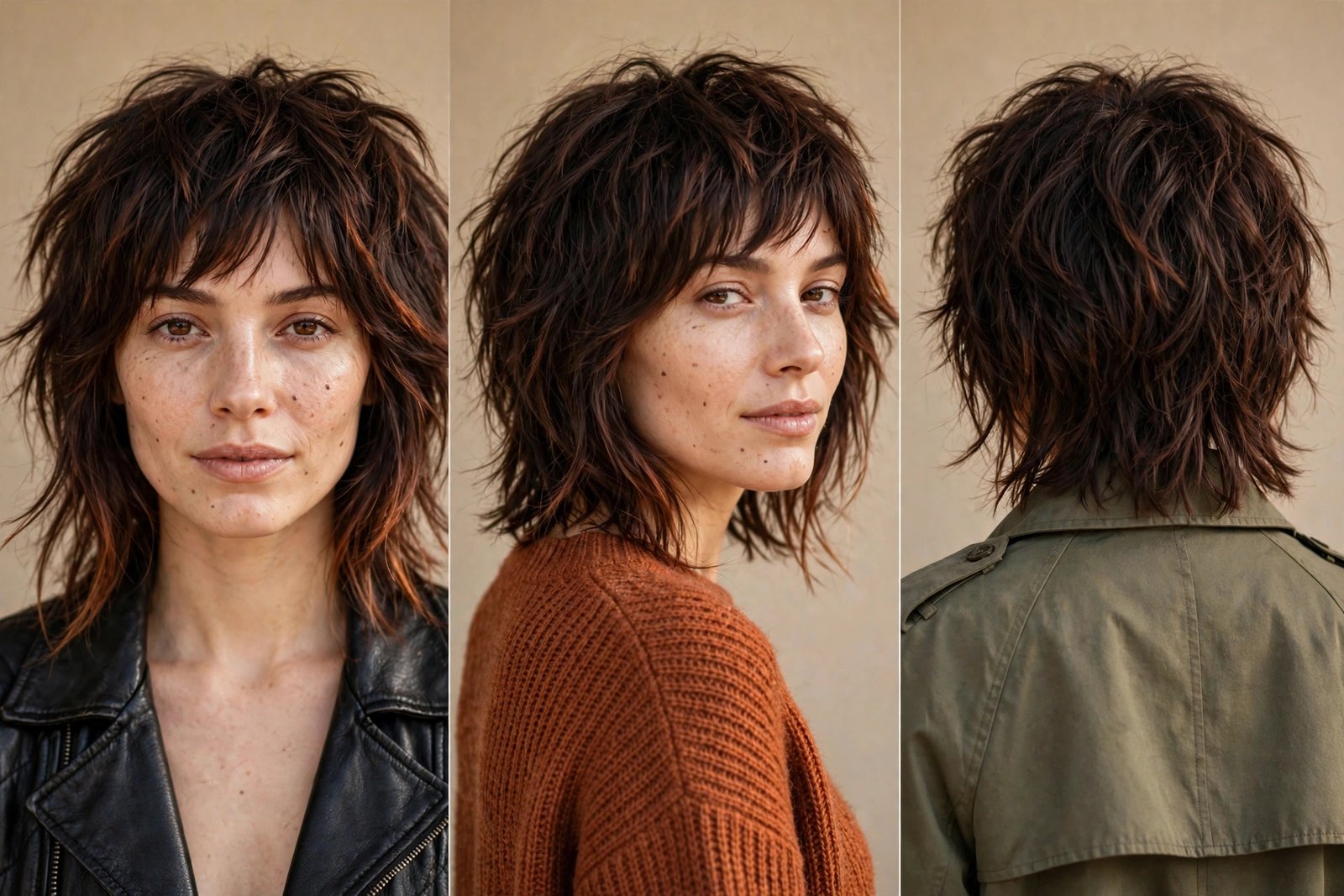
The wolf cut for women is a heavily layered cut with short, choppy layers at the crown and longer, wispy lengths underneath. It borrows the texture of a 1970s shag and the short-front, long-back shape of a mullet, but the modern version is softer and far more wearable than either ancestor. It adds volume where hair falls flat, removes weight where hair feels heavy, and looks best slightly undone — which is why it has outlasted its viral moment.
What Is a Wolf Cut for Women?

A wolf cut is defined by contrast: dense, short layers through the top that create lift, and thin, feathered ends below that keep movement. The shortest layers usually start around the cheekbones or jaw, then graduate down to the shoulders or beyond. Unlike a shag haircut, which layers more evenly through the whole head, a wolf cut keeps a clearer gap between the full crown and the wispy lengths. That contrast is the whole point — soften it too much and you have a shag; sharpen it too much and you have a mullet.
Wolf Cut for Short Hair
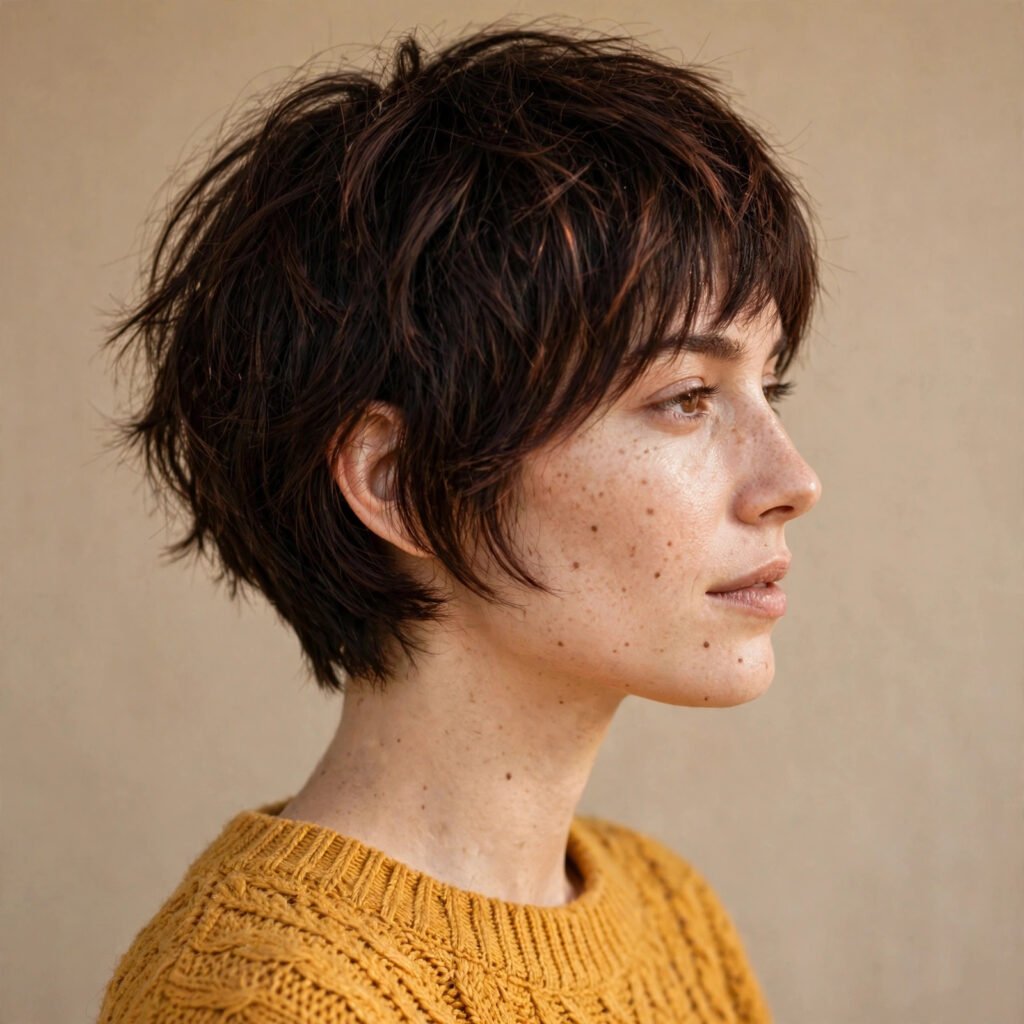
The short wolf cut compresses the same layering into chin-to-jaw length, so everything looks sharper and spikier. There is less room for the layers to blend, which makes it the edgiest version and a good choice if you want maximum texture without a long grow-out. It needs a little more product than longer versions to hold its shape — a pea-sized amount of texture paste scrunched through dry hair is usually enough — and it grows out into a textured bob, so the awkward stage is short.
Wolf Cut for Long Hair
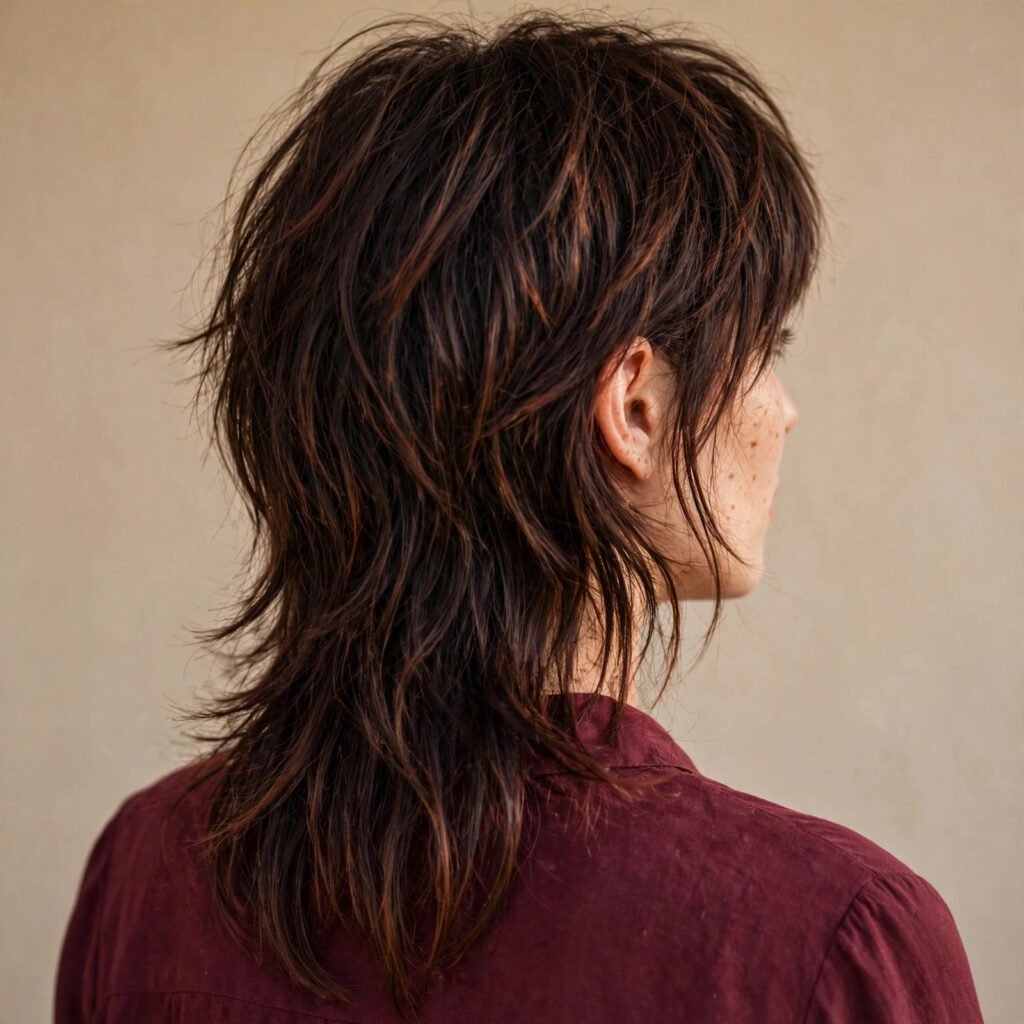
A long wolf cut keeps length well past the shoulders while adding layers high at the crown, so you get volume on top without giving up the length you spent years growing. The ends should stay thin and feathery rather than blunt; that lightness is what stops long hair looking heavy. Ask your stylist to keep the perimeter long and to layer internally, so the shape reads as long hair with movement rather than a cut that has been chopped short at the back.
Wolf Cut with Bangs

Bangs are almost part of the wolf cut’s DNA, because the shortest crown layers already fall around the face. A piecey, textured fringe blends straight into those layers, so the front of the cut looks intentional rather than accidental. Blunt, heavy bangs create a stronger contrast against the choppy texture and suit straight or lightly wavy hair best. Whichever fringe you choose, decide on it before the cut starts — adding bangs halfway through rarely blends as well as planning them in from the beginning.
Wolf Cut with Curtain Bangs

Curtain bangs are the most popular pairing for a reason: split down the middle and swept outwards at the cheekbones, they melt into the wolf cut’s top layers so the whole front flows as one shape. They are also the most forgiving fringe to grow out, since longer curtain bangs simply become another face-framing layer. Ask for the shortest point at the cheekbones, not the eyebrows, so the sweep opens the face instead of closing it in.
Wolf Cut for Round Face
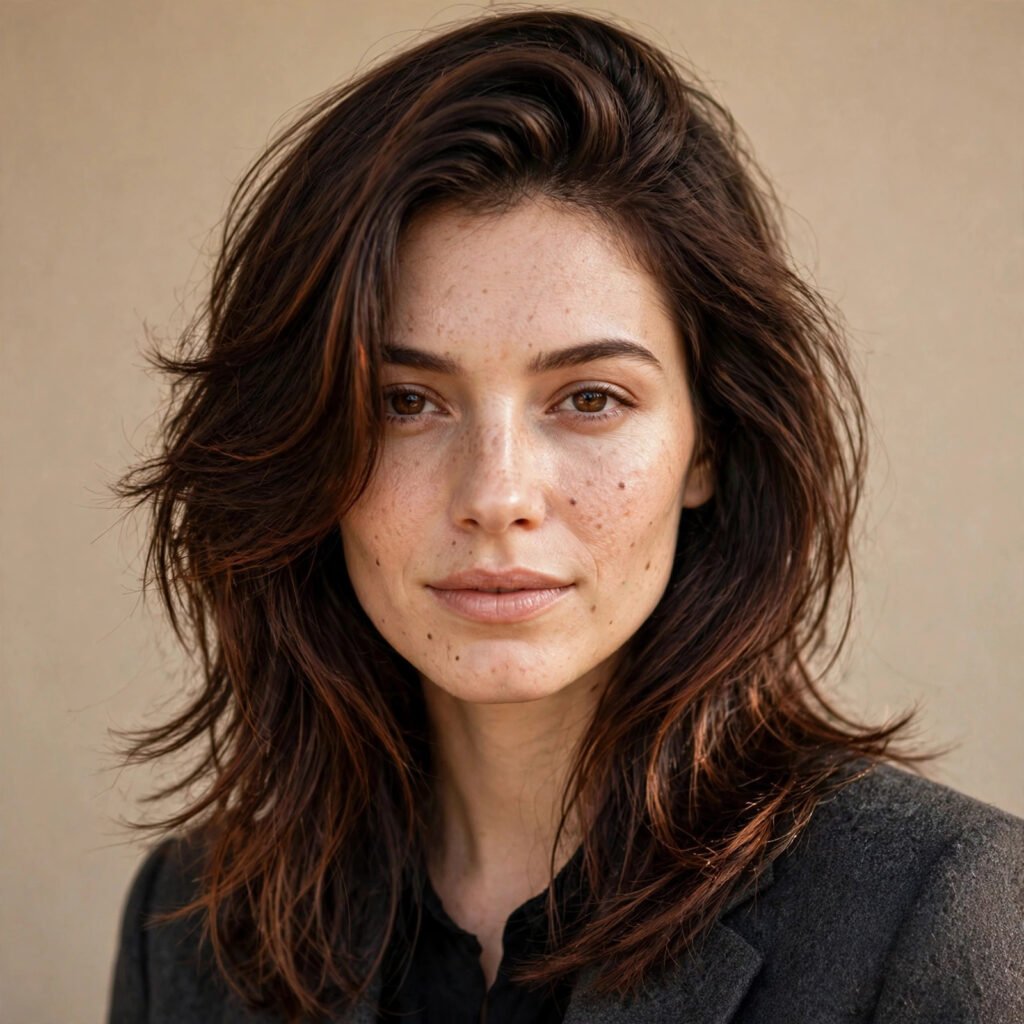
For a round face, the wolf cut works best when the shortest layers start at or below the cheekbones and the crown has real height, both of which lengthen the face visually. Avoid very short layers hugging the cheeks, which widen the face, and keep some longer pieces falling past the jaw to draw the eye downwards. A centre part with curtain bangs, or a deep side part with a long sweeping fringe, both break up the width of the face better than a blunt fringe cut straight across.
Wolf Cut for Fine Hair

Fine hair can absolutely wear a wolf cut, but restraint matters. Ask for fewer, longer layers and keep the ends less thinned out — over-layering fine hair leaves the bottom half looking see-through. Done right, the short crown layers create genuine root volume, which is exactly what fine hair usually lacks. A volumising mousse at the roots and a rough blow-dry with your fingers, rather than a brush, will lift the crown without flattening the texture.
Wolf Cut for Thick Hair

Thick hair is the wolf cut’s natural home: all that density fills out the layers instead of leaving gaps. The key request is internal weight removal rather than surface thinning — surface thinning shears create frizzy flyaway ends, while internal layering removes bulk from underneath and keeps the outline smooth. Thick hair also holds the cut’s shape longest between trims, though the crown layers will need reshaping every six to eight weeks to stop the shape turning heavy.
Wolf Cut for Straight Hair

Straight hair shows the wolf cut’s layers as clean, graphic lines rather than tousled texture, which gives a sharper, more editorial mood. The risk is flatness at the crown, so ask for shorter layers on top and use a root-lifting spray before blow-drying. A flat iron in sections can define the layers, with a light serum on the ends only — straight hair goes greasy fast at the roots, so keep product away from the crown. For a softer finish, bend just the ends outwards instead of straightening everything flat.
Wolf Cut for Wavy Hair

Wavy hair and the wolf cut are the lowest-effort pairing of all. Natural S-waves already want to separate into pieces, and the layers give each wave somewhere to sit instead of clumping into one mass. Sea salt spray scrunched into damp hair, then air-dried or diffused, is genuinely enough most days. If your waves fall flat at the roots, flip your part to the opposite side while drying — that small change lifts the crown layers without any extra product.
Wolf Cut for Curly Hair

Curly hair may be the best version of this cut: internal layering lets curls stack upwards instead of spreading sideways, which solves the dreaded triangle shape instantly. The non-negotiables are a dry cut, shaped curl by curl on your real curl pattern, and diffusing upside down without touching the hair while it sets. A curl cream, not a heavy oil, keeps definition without weighing the crown layers down. Compared with the softer, blended finish of the butterfly haircut, a curly wolf cut is deliberately choppier and more textured.
Frequently Asked Questions
Is a wolf cut the same as a shag?
No. A shag layers evenly through the whole head; a wolf cut keeps a short, full crown against longer, wispy lengths, with a clearer contrast between the two.
Does a wolf cut suit a round face?
Yes, if the shortest layers start at or below the cheekbones, the crown has height, and longer pieces fall past the jaw. Very short cheek-hugging layers will widen a round face.
How often does a wolf cut need trimming?
Every six to eight weeks. The crown layers grow out fastest and lose their lift first, so regular reshaping matters more than it does for a blunt cut.
Can I grow a wolf cut out?
Yes, and it grows out gracefully. Short versions grow into a textured bob, and longer versions simply become a layered cut as the crown layers catch up with the lengths.
Written by the New Light team. Fancy trying one of these shapes? Send us a message and bring your favourite photograph when you visit.