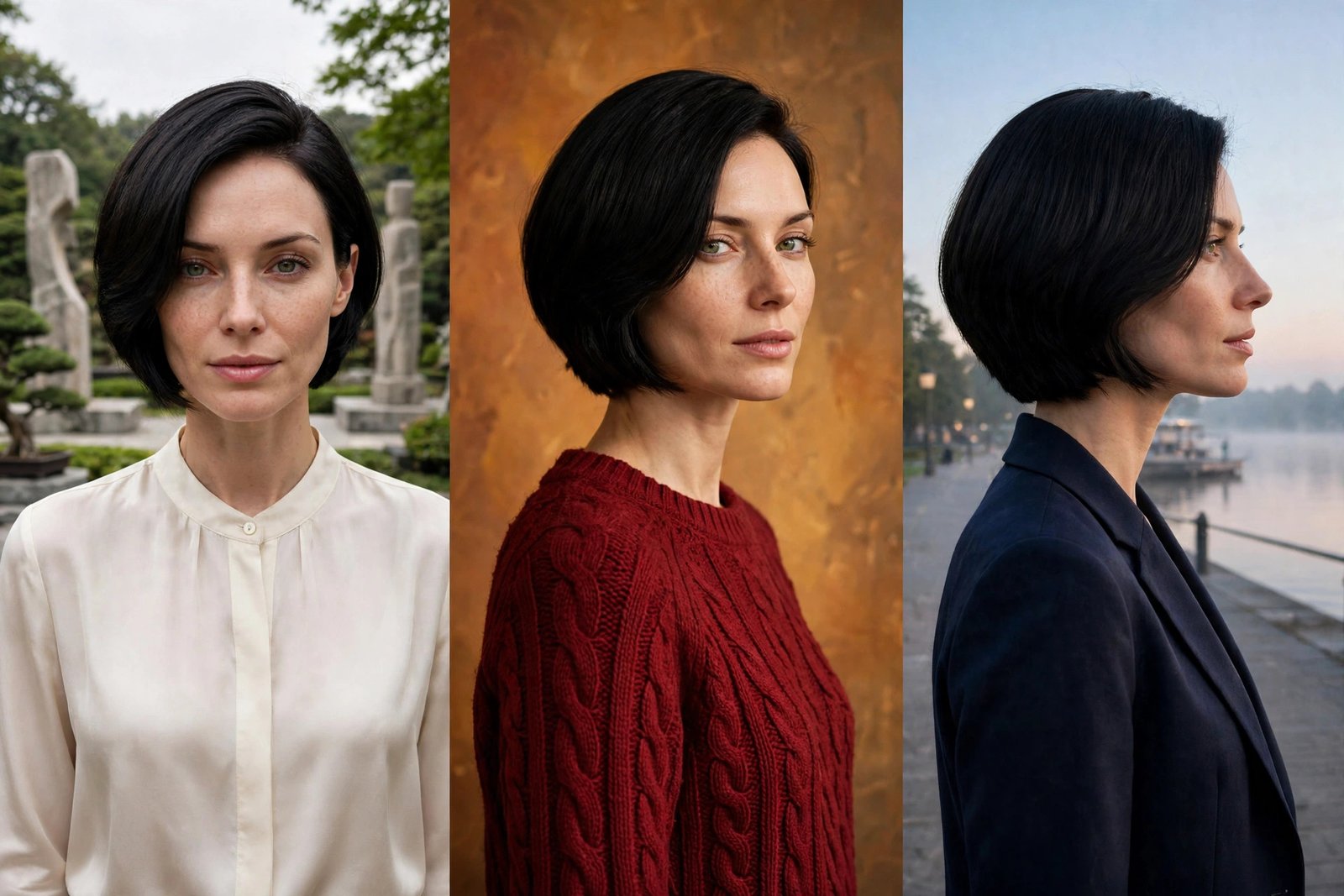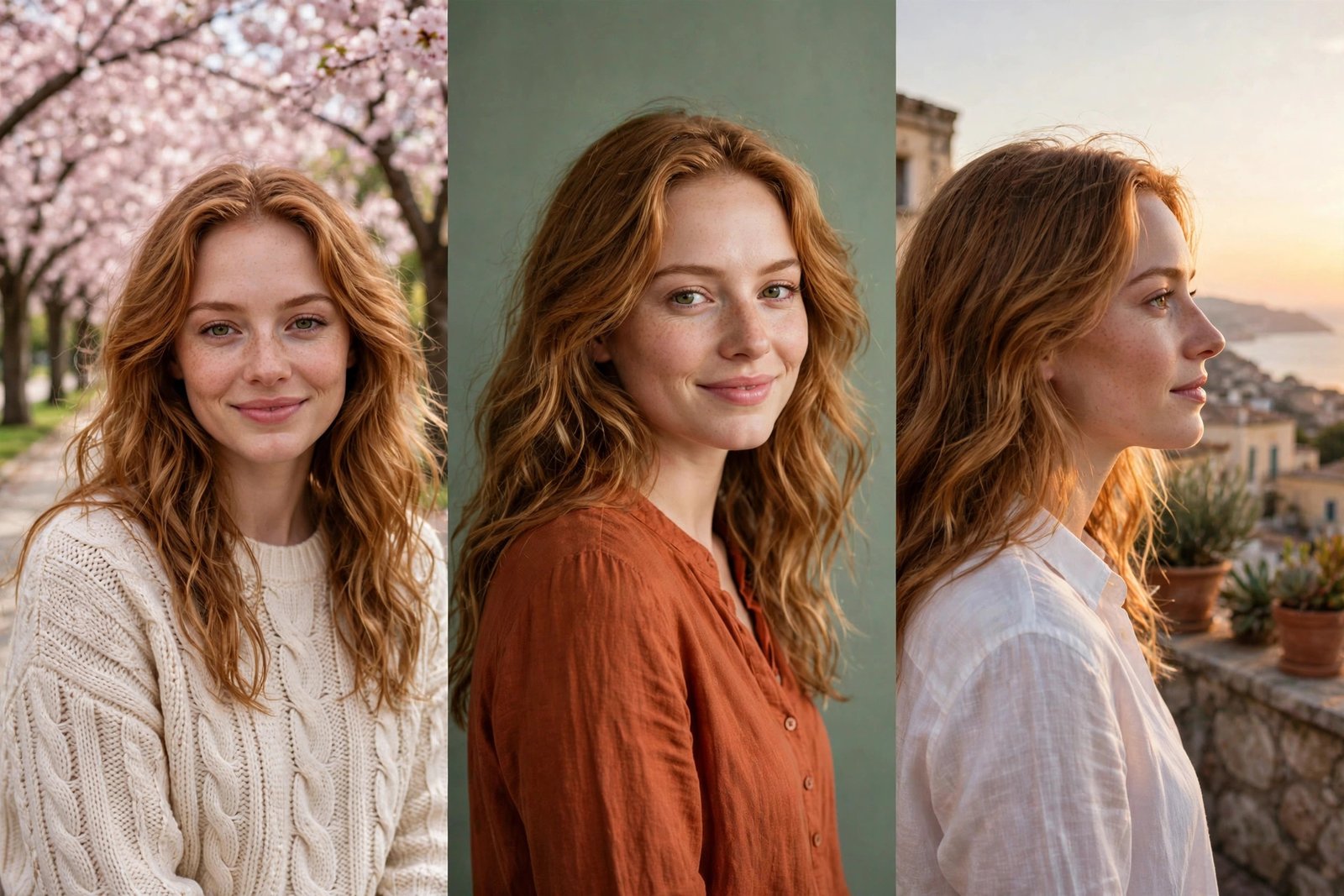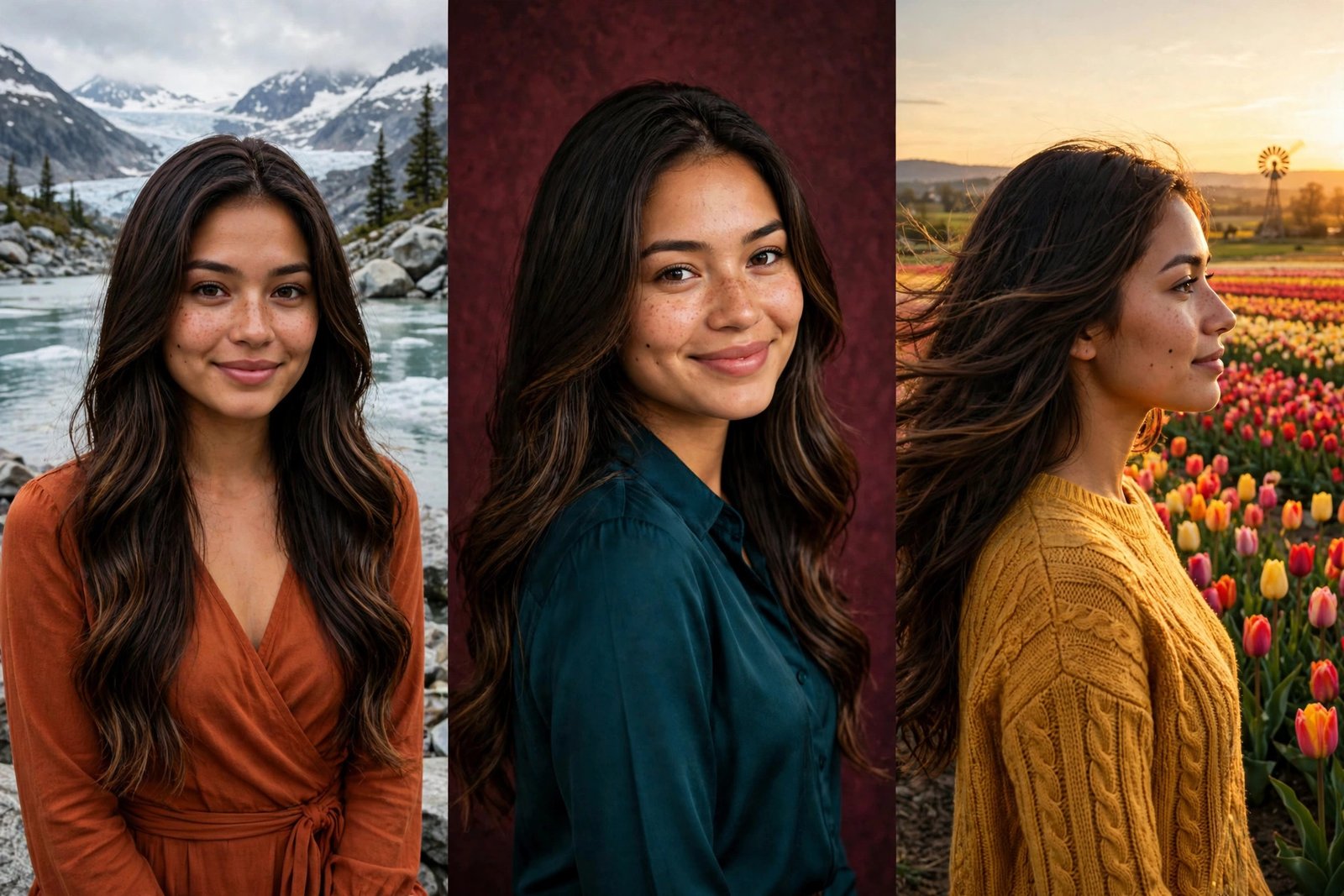
Long hair is a commitment, and one-length long hair can start to feel like a weight you carry rather than a style you wear. Long layered haircuts solve that problem without asking you to give up a single inch you love. Layers remove bulk from the middle and ends, let the hair move when you do, and give even the simplest blow-dry a finished shape. Done well, they flatter every face shape and work on straight, wavy and curly hair alike. This guide covers the layered cuts women keep asking for in salons, who each one suits, and exactly what to ask your stylist for.
Why Long Hair Needs Layers
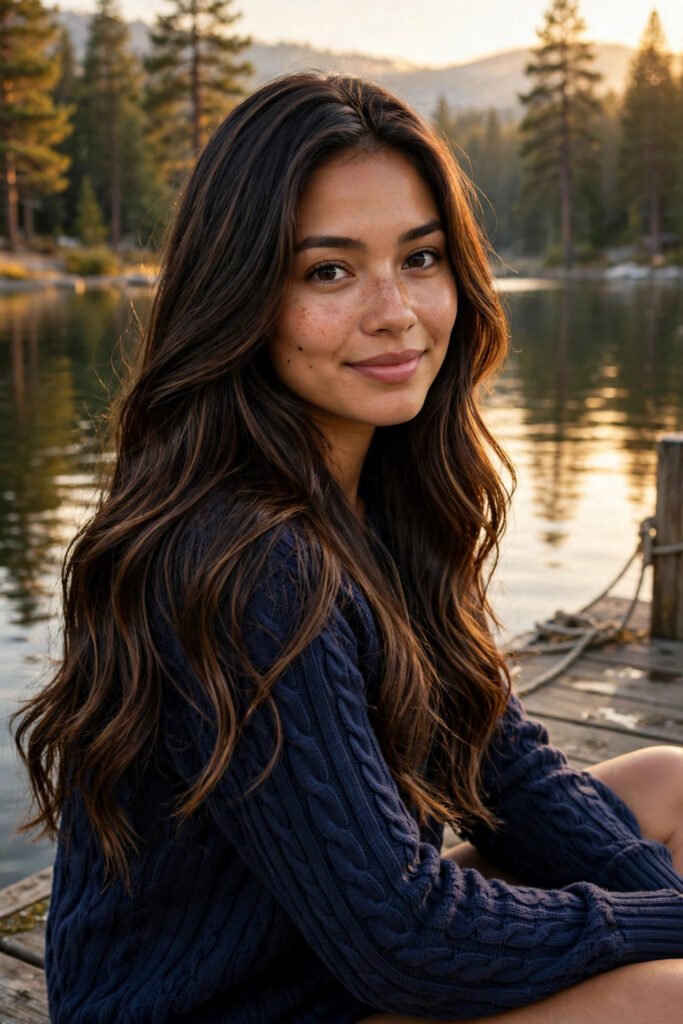
Long hair without layers can look heavy, flat at the roots and blunt at the ends. Layers fix that by varying the length of different sections: shorter pieces near the crown add lift, face-framing pieces open up the face, and internal layers take out weight that pulls the whole shape down. The result is hair that swings instead of hanging. Layers also make long hair easier to style — waves and curls hold better, a blow-dry gives more volume, and the hair falls into shape more easily when air-dried. The trade-off is real: layers need more regular trims, and too many short layers on fine hair can make the ends look sparse. A good stylist adds just enough layering to give movement while keeping enough weight at the bottom for the length to still look healthy and full. Our layered haircuts for women guide covers layer placement across every length.
Long Face-Framing Layers

The most versatile layered cut there is. Most of the hair stays one length, and a few layers start at the chin or cheekbone around the face. It opens up the face, adds movement exactly where people see it most, and keeps the ends full. It suits every hair type and every face shape, and fine hair benefits most, since the rest of the hair stays thick at the ends. Upkeep is low, with trims every eight to ten weeks. Ask for “long hair, mostly one length, with face-framing layers starting at my chin.” Style it with a round brush on the front pieces only, or let it air-dry and tuck the face-framing pieces behind your ears for a softer finish.
Butterfly Layers
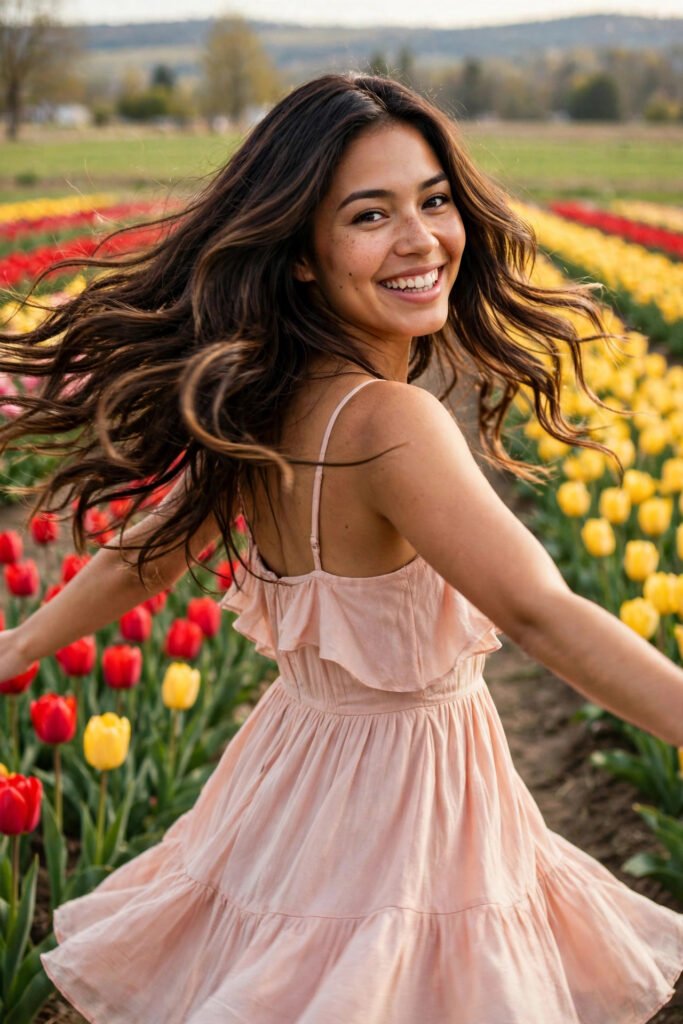
Butterfly layers combine short, face-framing layers at the front with long layers through the back. Pulled forward, the hair looks like a much shorter cut; let it fall back and all the length is there. That makes it the popular choice if you are tempted by a shorter cut but do not want to lose length. The result is a lot of volume and movement, especially with a round-brush blow-dry. It suits medium to thick hair and oval, round, square and oblong faces. Upkeep is moderate: the front layers need trimming every six to eight weeks. Ask for “butterfly layers: shorter layers starting at my cheekbone in front, long layers through the back, keeping my length.” Our butterfly haircut guide covers the cut in full detail.
Feathered Layers
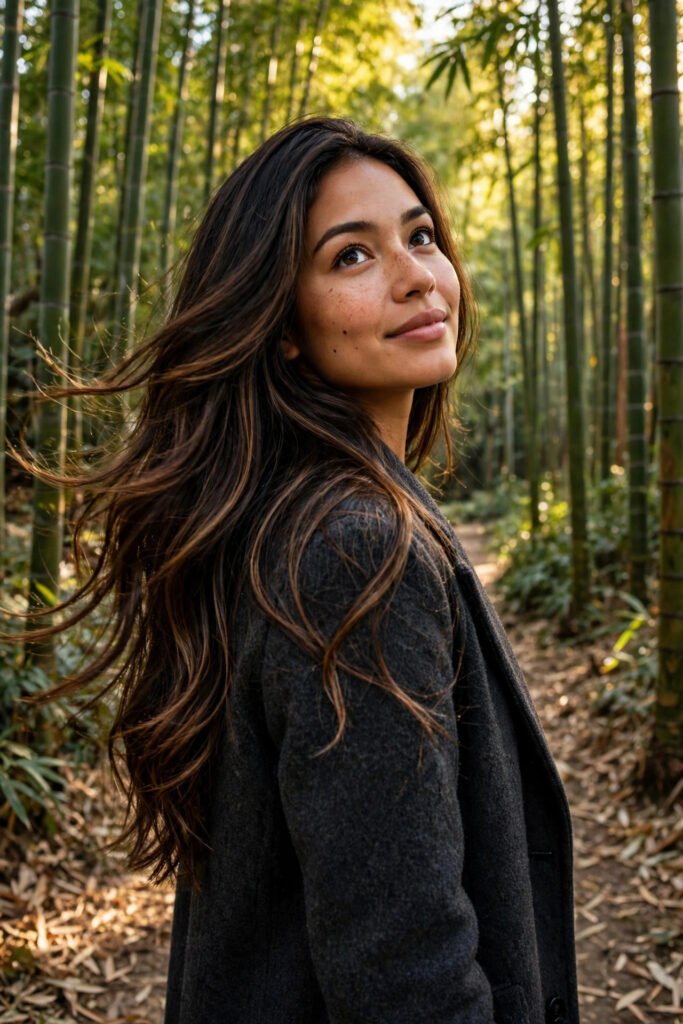
Feathered layers are cut at a light angle so each piece tapers gently instead of ending in a blunt line. The effect is softness: the hair looks lighter around the face and the ends flick outward or inward with almost no styling. Feathering is the oldest trick in the movement book and it still works, because it suits women who want shape without an obvious layered look. It works best on straight to wavy hair, and it is kind to round and square faces, since the tapered pieces soften strong lines. Ask for “long layers with feathered, point-cut ends rather than blunt ones, and keep the shortest layer around chin level so the top never looks thin.”
Long Shag Layers

A long shag puts choppy layers at the crown and around the face, with lighter ends. It looks slightly messy and relaxed, and it pairs beautifully with curtain bangs. The shorter layers on top give volume and movement around the face, while the longer layers underneath keep your length and weight. It suits wavy and curly hair best, and oval, oblong and square faces. Upkeep is low — the lived-in texture is the point, so it grows out gracefully. Ask for “a long shag: crown layers, face framing, light ends, keep my length.” Style it with mousse on damp hair, diffuse or air-dry, and finish with a texturising spray. Our shag haircut guide covers every shag length.
V-Cut Layers
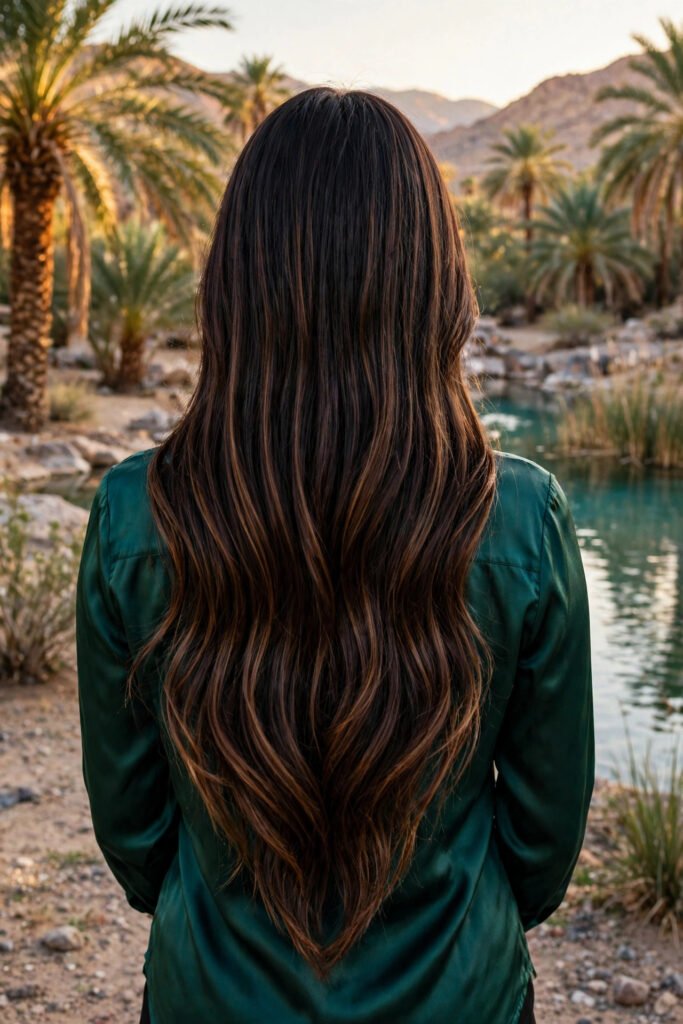
The V-cut shapes the back of the hair into a point, and it is the most dramatic way to show off length. The layers taper down to a single point at the centre of the back, which creates a long, flowing line when the hair is worn down. It suits long, straight to wavy hair, and it is a good choice for thick hair that looks too blunt at the back. The shape is most visible when hair is worn straight, so it suits people who often wear it down and sleek. One warning: a V-cut can make fine hair look thin at the point, so if your hair is fine, ask for a soft V rather than a sharp one. Ask for “a V-shape at the back with face-framing layers in front.”
U-Cut Layers

The U-cut is the V-cut’s softer sister: the back tapers into a gentle curve instead of a point. It gives the same long, flowing line when the hair is worn down, but the rounded shape keeps the ends looking fuller, which makes it the safer choice for fine or medium hair. Like the V-cut, it can be combined with face-framing layers at the front for movement around the face. It suits straight to wavy hair and looks best worn down, so it is ideal if you rarely tie your hair up. Ask for “a soft U-shape at the back with face-framing layers in front.”
Long Layers with Curtain Bangs
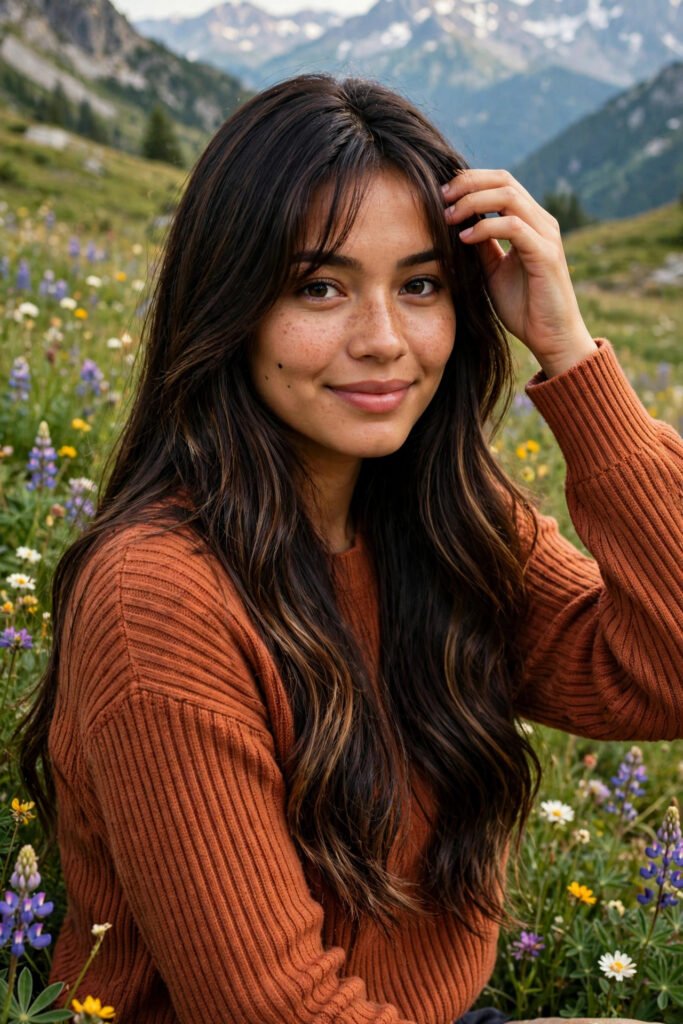
Curtain bangs paired with long layers are the combination that keeps on giving. The fringe parts in the middle and blends straight into the face-framing layers, so the whole shape flows from forehead to ends without a hard line. It is the most forgiving bang style for long hair: it grows out without an awkward stage, suits almost every face shape, and the movement in the layers gives it soft, natural swing. Ask your stylist to cut the bangs on dry hair if your hair has any wave, because waves shrink as they dry. Keep the shortest piece at the cheekbone so it frames the face. Our curtain bangs guide covers styling and grow-out in detail.
Long Layers for Thick Hair
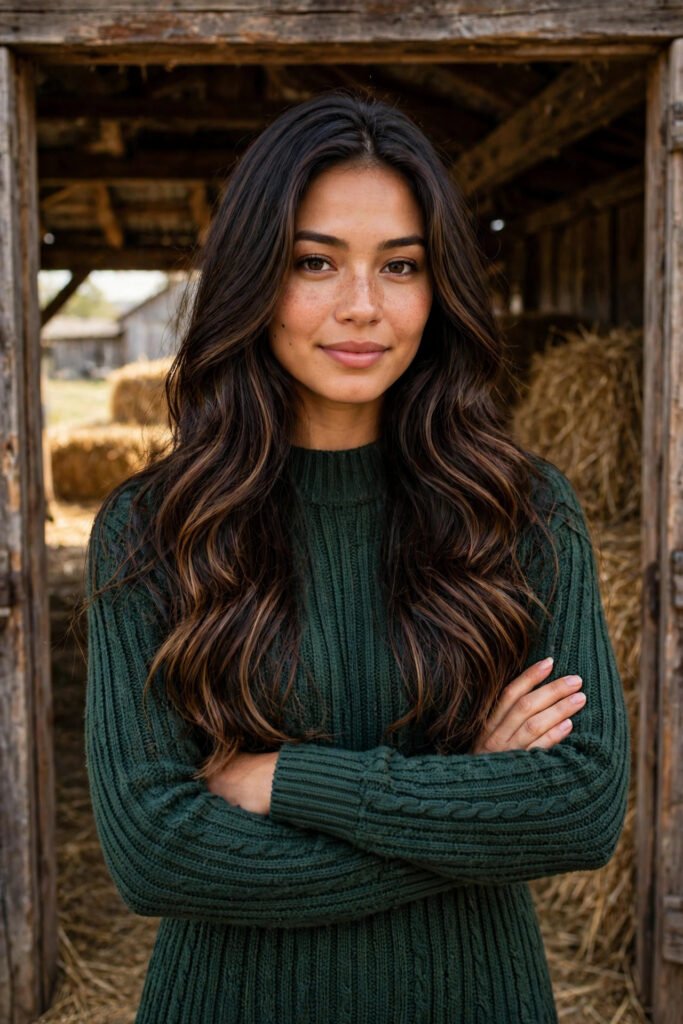
Thick hair is where long layers do their hardest work. Without them, long thick hair can look triangular — flat on top, wide at the bottom — and heavy enough to pull itself flat by midday. Long layers remove weight from the mid-lengths while keeping the bottom line full, so the hair falls instead of spreading. Butterfly layers, a long shag or invisible internal layers all work well here. The one mistake to avoid is heavy thinning at the ends, which leaves them sparse and see-through as the hair grows. Ask for “long layers through the mid-lengths, keep the ends full, no thinning at the bottom.” Our haircuts for thick hair guide covers weight removal in full.
Long Layers for Fine Hair

Fine hair needs the opposite approach: fewer, longer layers. A few long layers, or face framing only, add movement while keeping the ends blunt and full. Too many short layers remove the very weight that makes fine hair look thick, and the ends turn wispy within weeks. Keep the shortest layer no higher than the collarbone, keep the perimeter blunt, and let the layers do their work in the mid-lengths rather than at the ends. A U-cut at the back helps too, since the rounded shape keeps the ends looking dense. Ask for “a few long layers only, blunt ends, shortest layer at the collarbone.”
How to Style and Maintain Long Layers
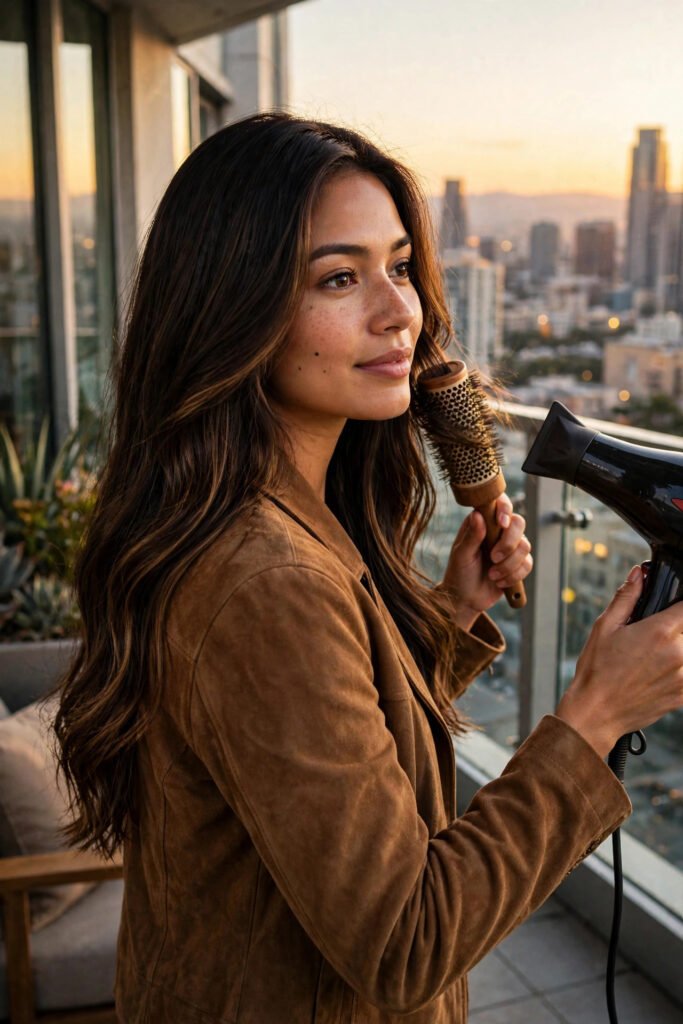
Styling decides how much your layers show. A round-brush blow-dry brings them out best, especially butterfly layers: rough-dry until almost dry, then use a large round brush only on the face-framing pieces. Velcro rollers at the crown add lift. For waves, a curling wand on a few sections, twisted away from the face, shows off the layers. If you air-dry, scrunch a little light mousse or wave spray through damp hair and twist the face-framing pieces away from your face while they dry. Layers also need healthy ends to look their best — split ends make layers look frayed rather than intentional, so use a heat protectant before hot tools and keep up with trims every eight to twelve weeks.
FAQs
What is the best long layered haircut?
Long face-framing layers are the most versatile. They add movement around the face and keep your length. Butterfly layers add more volume, and invisible layers remove weight without changing the look.
Do long layers make hair look thinner?
Too many short layers can, especially on fine hair. A few long layers, or face framing only, keep the ends full while adding movement.
Are long layers good for thick hair?
Yes. Layers, especially internal or invisible layers, remove bulk so thick hair falls better and does not look triangular.
How often should long layered hair be trimmed?
Every eight to twelve weeks is common. Face-framing layers may need a quick trim more often to keep their shape.
Can I get long layers and keep my length?
Yes. Tell your stylist exactly how much length you want to keep — “I only want an inch off the bottom” — and where the shortest layer should fall: chin, cheekbone or collarbone.
Written by the New Light team. Fancy trying one of these shapes? Send us a message and bring your favourite photograph when you visit.