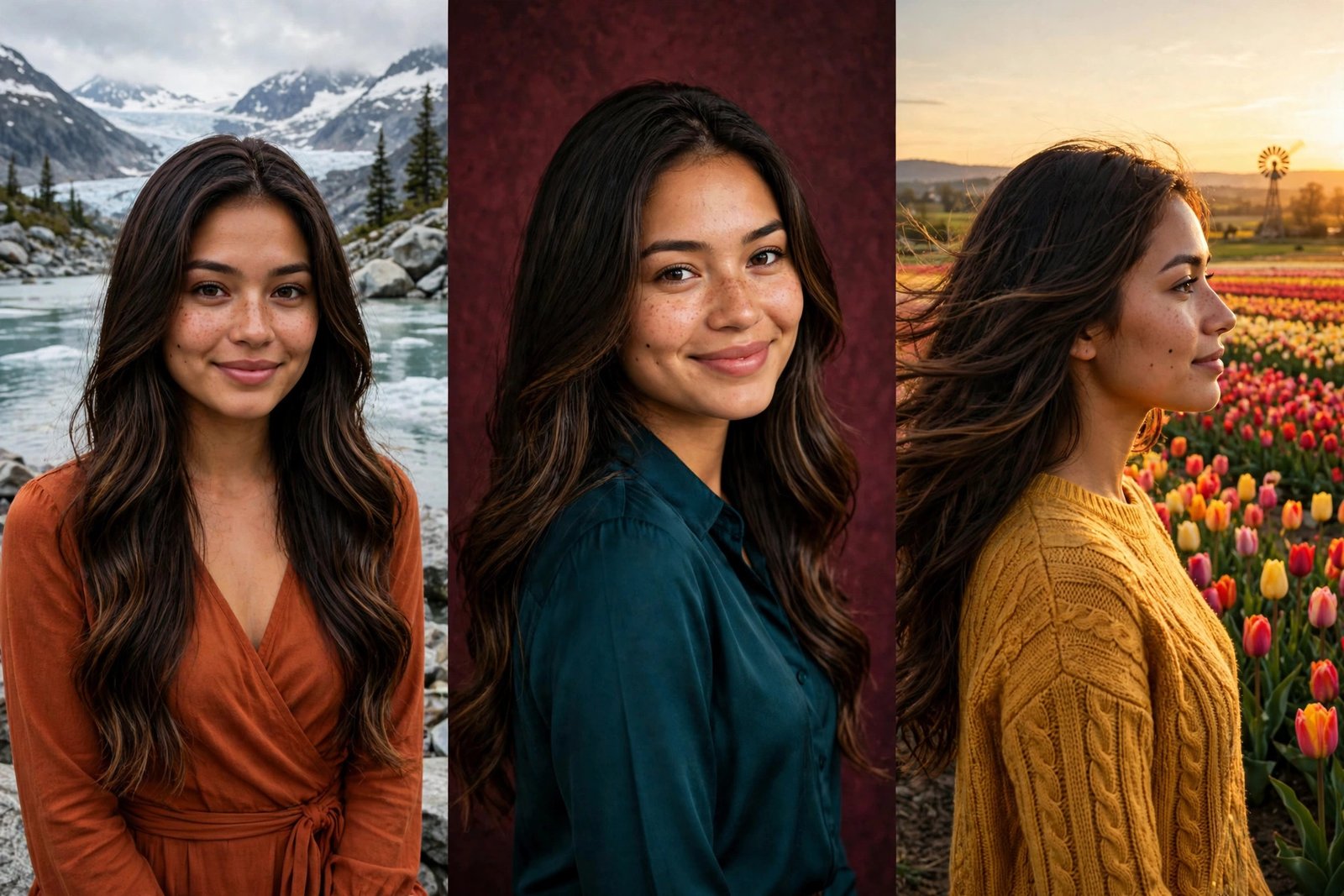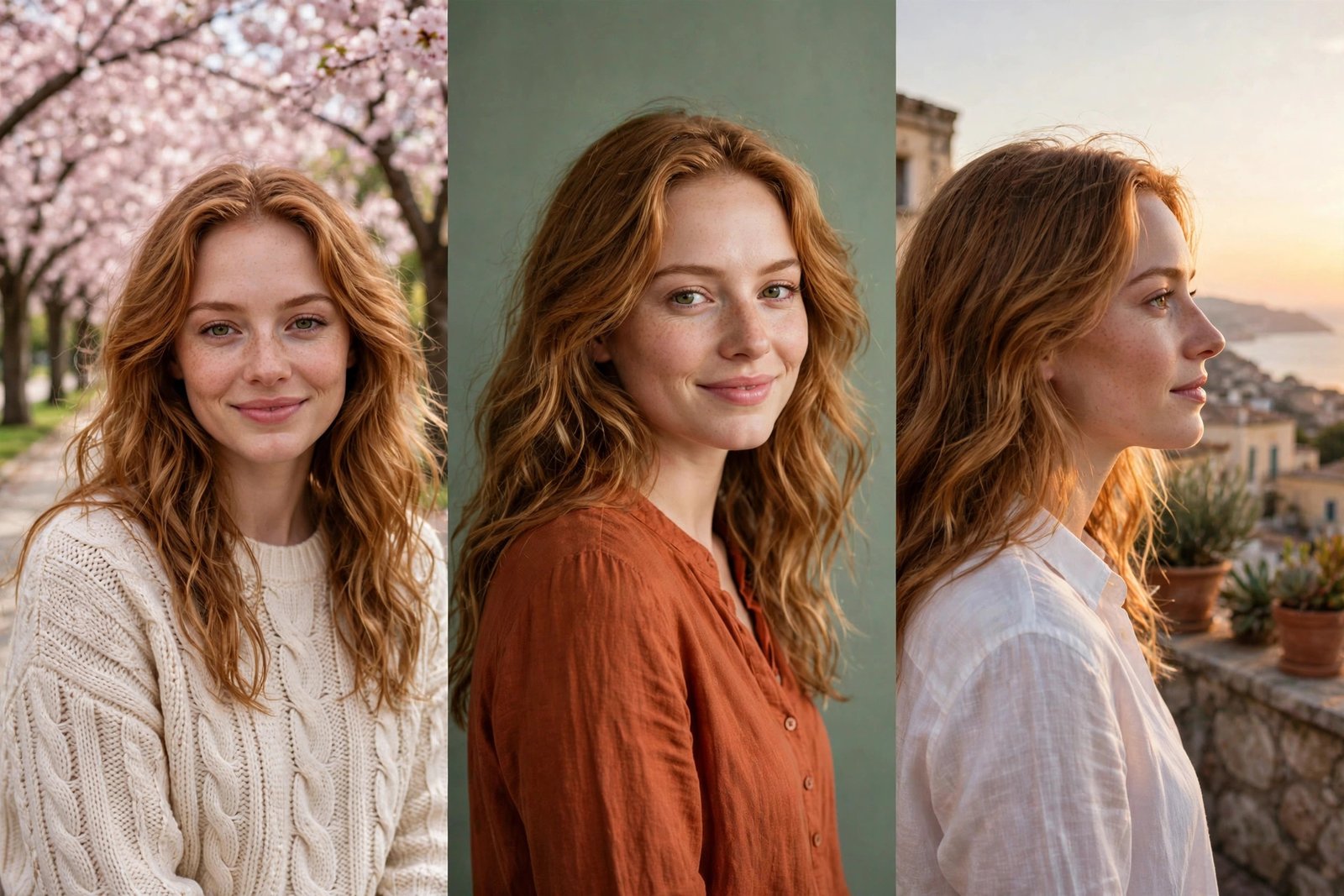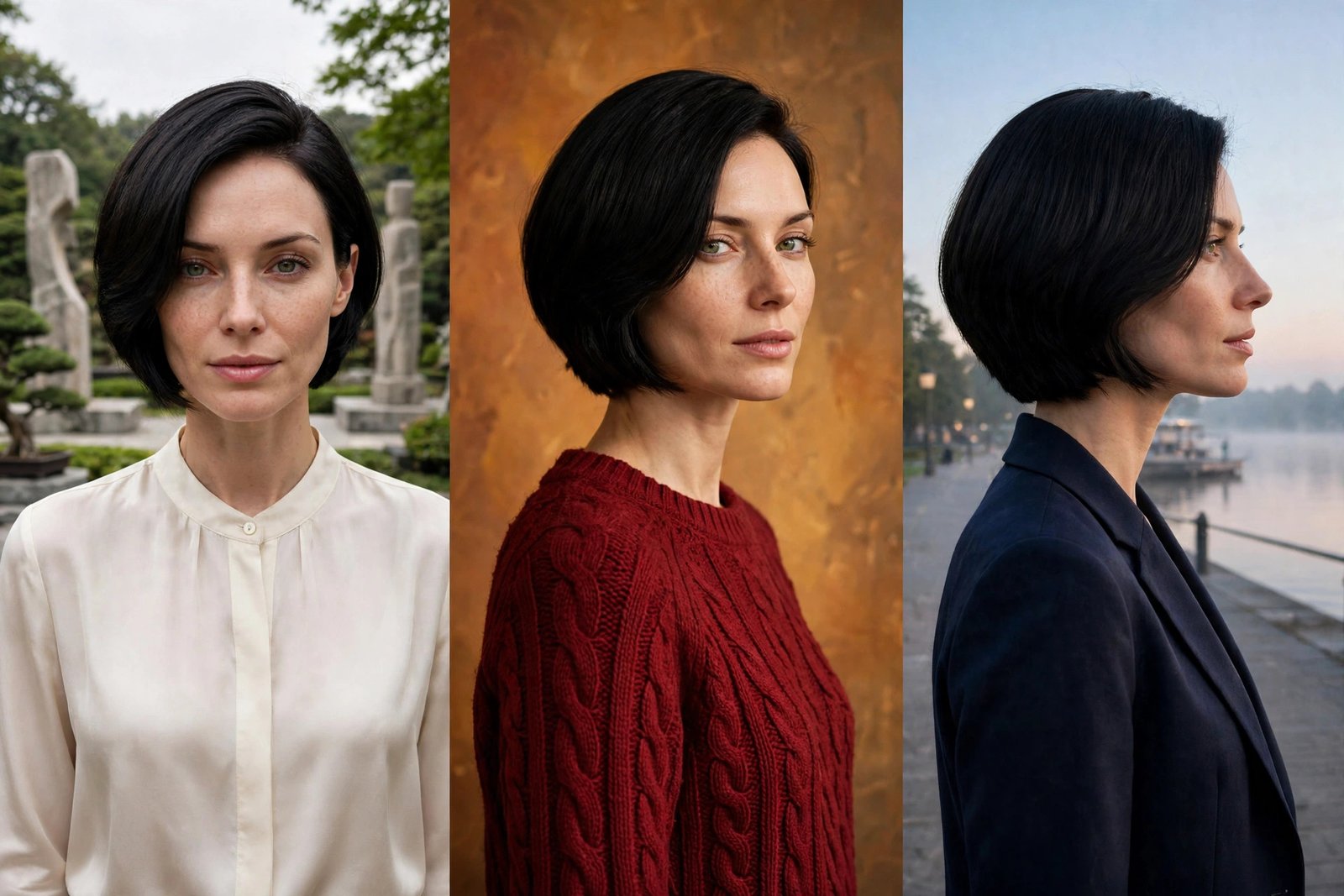
The graduated bob is the haircut that does the styling for you. Short layers stacked at the nape build a soft cushion of volume at the back, the lengths creep forward toward the chin, and the ends sit in against the neck instead of flicking out. It has stayed in demand because it solves short hair’s two classic problems: flatness at the back and a shape that collapses by lunchtime. This guide explains what a graduated bob is, the versions worth asking for, who each one suits, and how to keep it looking intentional between appointments.
What Is a Graduated Bob Haircut?
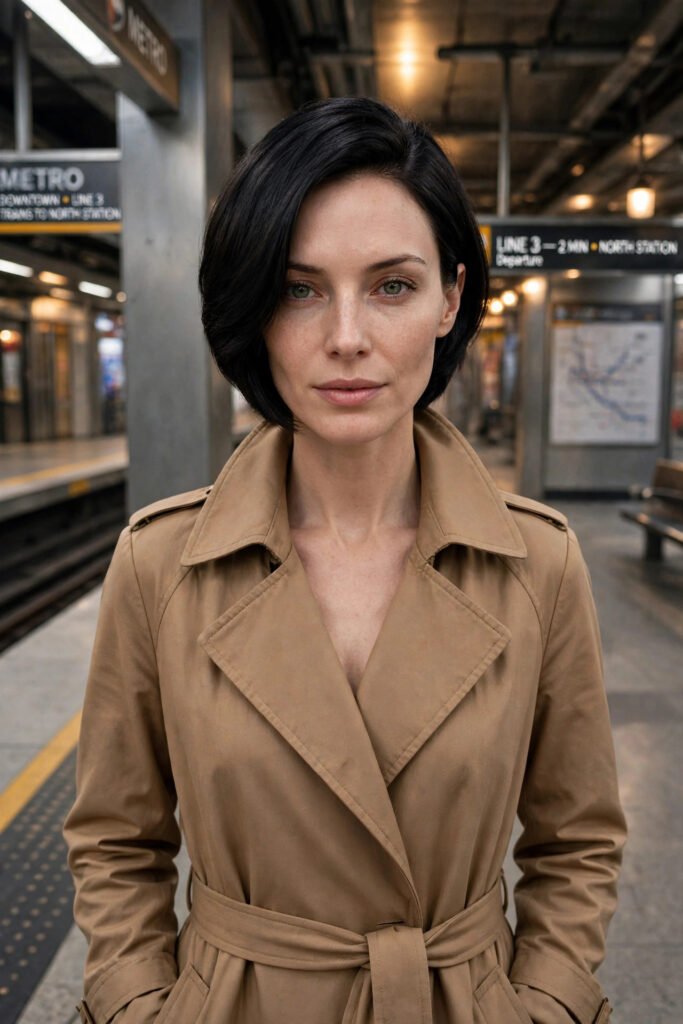
A graduated bob is a bob cut with the hair elevated as it is cut, so the back builds up in stacked layers while the front stays longer. The stylist lifts each section to around forty-five degrees before cutting, which makes the underneath hair shorter than the surface hair and stacks the weight just above the nape. The result is a rounded back that holds its shape without a blow-dry, tucking in at the neck rather than hanging. The front is usually kept close to the same length as the back or slightly longer, so the hemline slopes gently toward the chin and frames the face. It is also called a stacked bob or an inverted bob, and it is the workhorse short cut for fine hair, because the graduation does the volume work that products cannot. Our bob haircut guide covers the full bob family.
The Classic Graduated Bob

In the classic graduated bob, the nape is cut short and the lengths creep forward, so the hemline slopes toward your chin and frames the face. The stacked back adds shape without much styling effort: rough-dry it, run a brush through once, and the stacked weight falls into place. Ask your stylist for a stacked back with the front lengths left longer, and say how far forward you want the angle to go — a gentle slope reads polished and professional, while a steep angle toward the chin reads bold and fashion-forward. Dark hair shows the layering well, since the shorter tiers at the nape catch the light. Pick this cut over a blunt bob if you want shape without a lot of styling.
Graduated Bob for Fine Hair
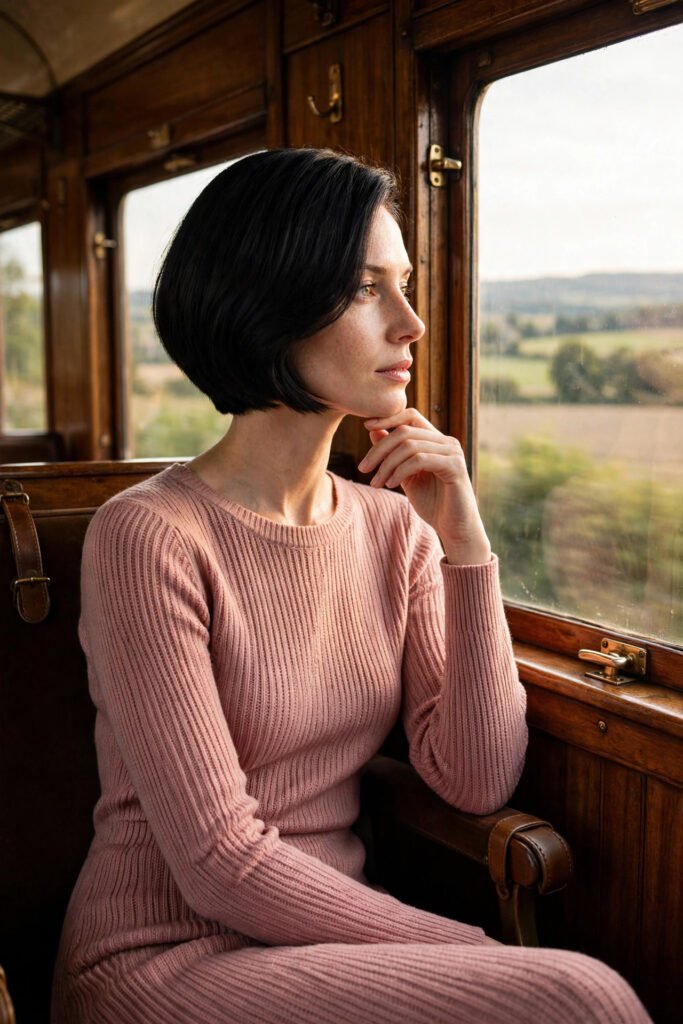
Fine hair looks thicker when the weight is stacked in the back and the layers are kept soft. The built-up shape gives the illusion of density where a one-length cut would hang flat, and the graduation lifts the crown so the hair does not lie limp by noon. The key is restraint: ask for subtle layers rather than heavy ones, since too much removal thins the ends. Say “a graduated bob at chin length with the weight line kept low, no thinning shears.” It air-dries neatly on straight hair, and a trim every six to eight weeks keeps the bevel crisp. Our best bangs for fine hair guide pairs well with this cut if you want a fringe too.
The Stacked Effect at the Back
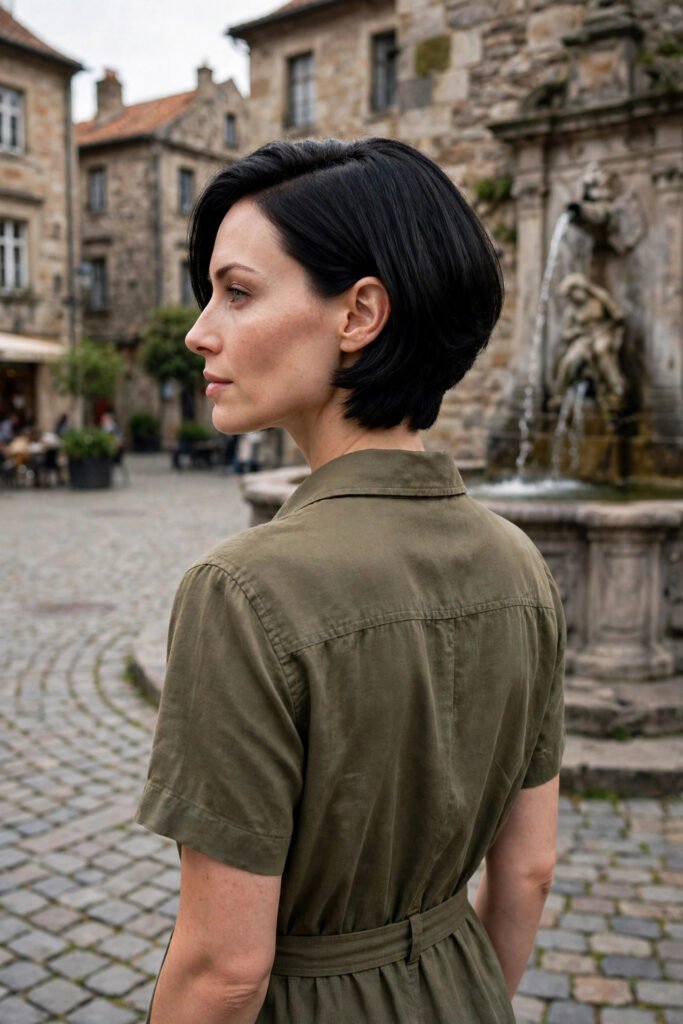
The stacked back is what makes a graduated bob a graduated bob: short layers built up at the nape that curve the shape under and add lift. On dark hair the stacking reads clearly, because each tier creates its own edge. Decide how far up the stacking should reach, and say so in the chair, because a couple of inches at the nape reads very differently from a build that stops at the crown. A higher stack looks bolder, while a lower one stays quiet and wearable. A low graduation confined to the last inch of hair reads almost one-length but curves in at the jaw rather than kicking out. Our stacked bob guide covers stacking heights in detail.
Short Graduated Bob with Crown Volume

Volume at the crown sets this version apart: the layers are cut to lift at the top, then taper down to a close nape. In profile the shape looks rounded and light rather than flat against the head. Choose it if your hair tends to sit limp on top, or if you want a short cut that still reads full from every angle. Ask for crown lift and a tapered nape by name, and keep the length short so the shape holds — the longer this version grows, the more the crown lift softens. Style it with a little volumising mousse at the roots and a round brush lifted at the crown while blow-drying. It holds its shape for roughly seven weeks before it needs reshaping.
Soft Layered Graduated Bob

Soft layers are the pick if a classic graduated bob feels too structured. The layers frame the face and blend into the back rather than stepping sharply, which gives a modern, easy movement. At a medium length this version grows out gently, with no hard line to fight between appointments. Bring a photo and name the layering as “soft” so your stylist does not cut it blunt, and ask for the weight to be blended through the sides so there is no visible step at the ear. It suits women who like the graduated shape but want to wash and go, and it works on straight and wavy hair alike.
Graduated Bob with Bangs

A fringe changes the whole character of a graduated bob. Side-swept bangs add asymmetry and soften the strong line of the cut, while a full fringe gives a more dramatic, retro look. Curtain bangs blend straight into the face-framing layers, so the whole shape flows. The rule is the same whichever fringe you choose: cut it slightly longer than your reference photo, since it is easy to take more off later and slow to grow back. If your hair has any wave, ask for the fringe to be cut dry, because waves shrink as they dry and a fringe cut wet can end up much shorter than planned. Our curtain bangs guide covers styling and grow-out.
Curly Graduated Bob
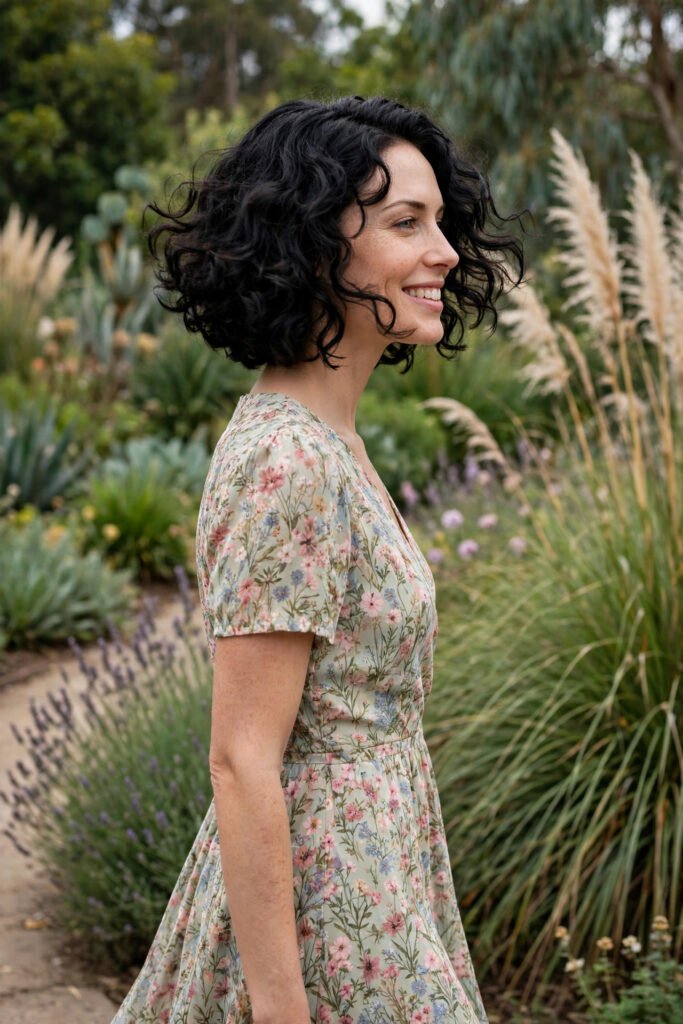
A graduated bob works on curly hair too, as long as it is cut for the curl. The graduation builds volume at the back while the longer front lengths keep the curls from springing up too short around the face. The critical detail is that it must be cut dry, curl by curl, so the stylist can see where each curl actually sits — a curly bob shaped only on wet hair can end up much shorter than planned once it dries. Ask for graduation that spreads the volume evenly rather than stacking it all at the nape, and keep the layers long and soft so the curls clump instead of frizzing. Style with curl cream on damp hair and diffuse on low heat, or let it air-dry untouched.
Graduated Bob vs A-Line Bob
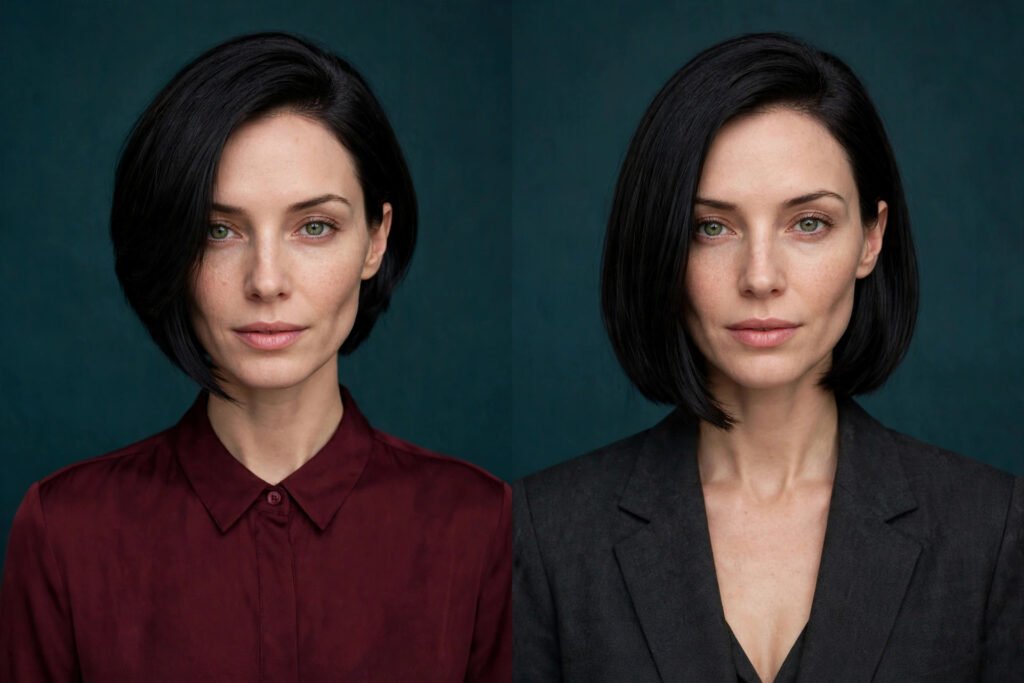
The graduated bob and the A-line bob are often confused, but the difference is at the back. A graduated bob is cut shorter and stacked at the nape, with the lengths creeping forward so the hemline slopes toward the chin — the stacking adds shape, volume and movement at the back, and that is the feature that sets it apart. An A-line bob is cut with a clean, angled line from back to front and no stacking: the back sits longer and flatter, and the shape comes from the angle of the perimeter rather than from built-up layers. Choose the graduated bob if you want volume and a rounded back that holds its shape; choose the A-line if you want a sleeker, flatter silhouette with a sharp edge. Definitions of an A-line bob vary from stylist to stylist, so ask yours to describe the back of the cut before you agree to it. Our A-line bob guide covers that cut in full.
How to Style a Graduated Bob
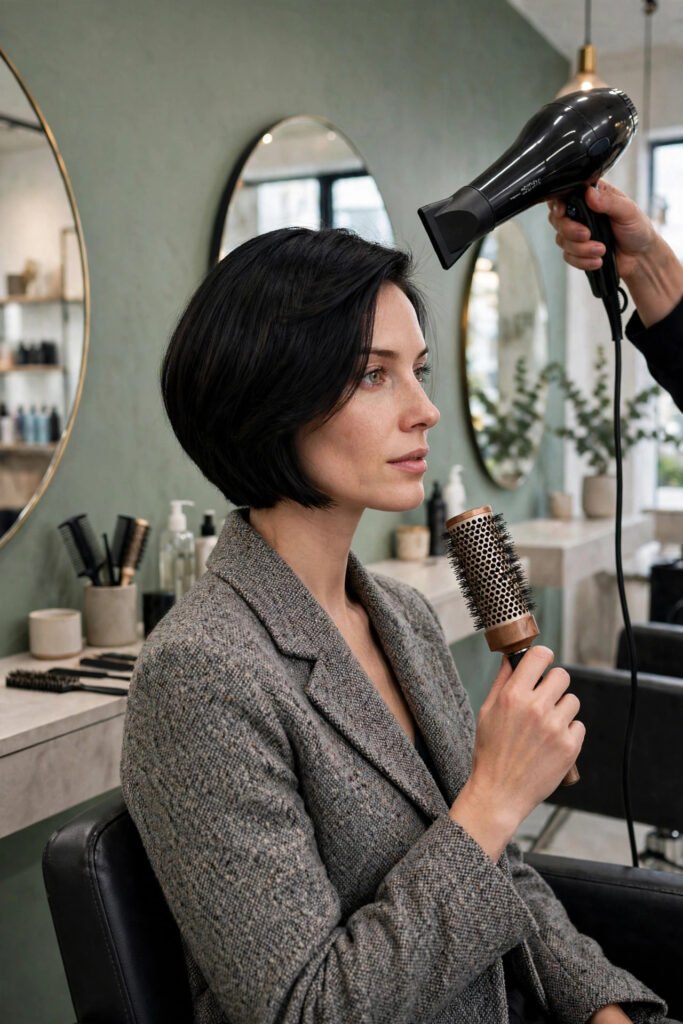
Low-maintenance is the whole appeal of this cut, and it earns it because the cut does the shaping for you. Rough-dry the hair until almost dry, then use a round brush on the front lengths only to polish the slope toward the chin. Skip heavy product: a light smoothing cream on damp ends is plenty, and the shorter back stays neat without a flat iron. For waves or curls, use a leave-in treatment for definition instead of heat. For a sleeker finish, run a flat iron over the front pieces only and leave the stacked back alone — ironing the back flattens the very volume the graduation built.
Maintenance and Grow-Out
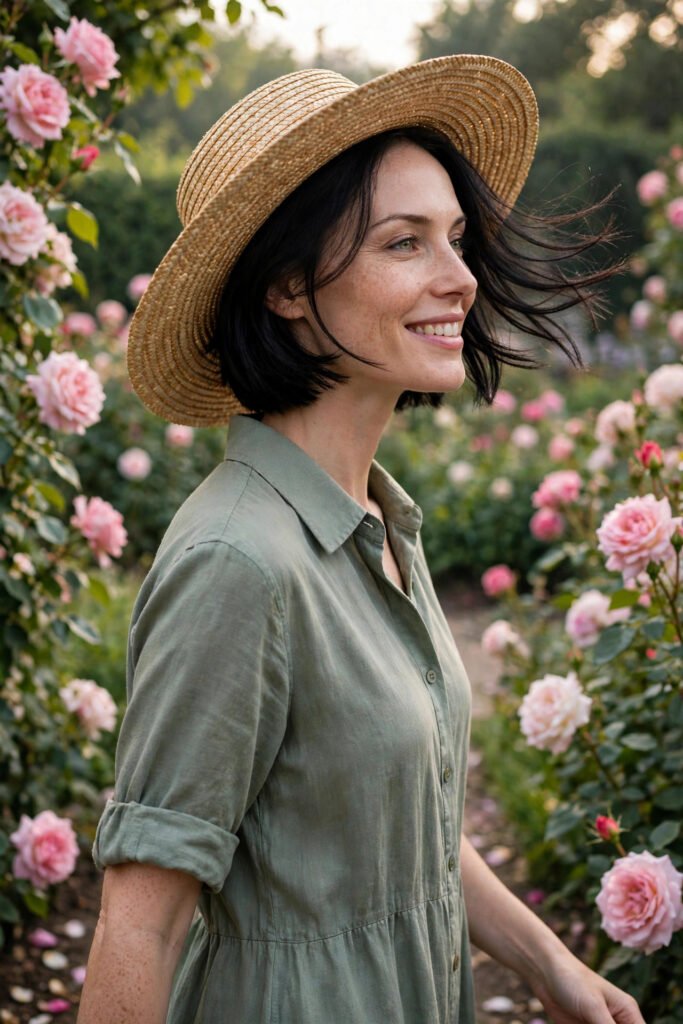
A graduated bob holds its shape for roughly seven weeks before it needs reshaping, and the grow-out has one classic problem: the weight line is a corner, and when it grows it turns into a visible shelf that flicks out over the ear. Book your next appointment before that shelf appears, and ask your stylist to check the balance from the back at every visit. Between appointments, keep the nape tidy with a quick trim if your stylist offers one, and use a light smoothing cream to keep the ends sitting in. On thick or coarse hair the graduated back can turn mushroom-shaped as it grows, so this cut is at its best on fine to medium density — if your hair is very thick, ask for a lower graduation and internal layers to keep the shape calm.
FAQs
What is the difference between an A-line bob and a graduated bob?
A graduated bob is cut shorter and stacked at the nape, with the lengths creeping forward so the hemline slopes toward the chin. An A-line bob has no stacking — its shape comes from a clean angled line from back to front.
Are graduated bobs in style in 2026?
Yes. Bobs are still a go-to cut for 2026, and the graduated bob is among the versions coming back, prized for structure without much styling.
Does a graduated bob suit fine hair?
Yes, it is one of the best cuts for fine hair. The stacked back builds volume and the soft layers create the illusion of thicker hair.
How often does a graduated bob need trimming?
Roughly every six to seven weeks. The weight line grows into a visible shelf that flicks out over the ear if it is left too long.
Can I wear a graduated bob with curly hair?
Yes, if it is cut dry, curl by curl. The graduation spreads volume evenly, but the layers must stay long and soft so the curls clump instead of frizzing.
Written by the New Light team. Fancy trying one of these shapes? Send us a message and bring your favourite photograph when you visit.