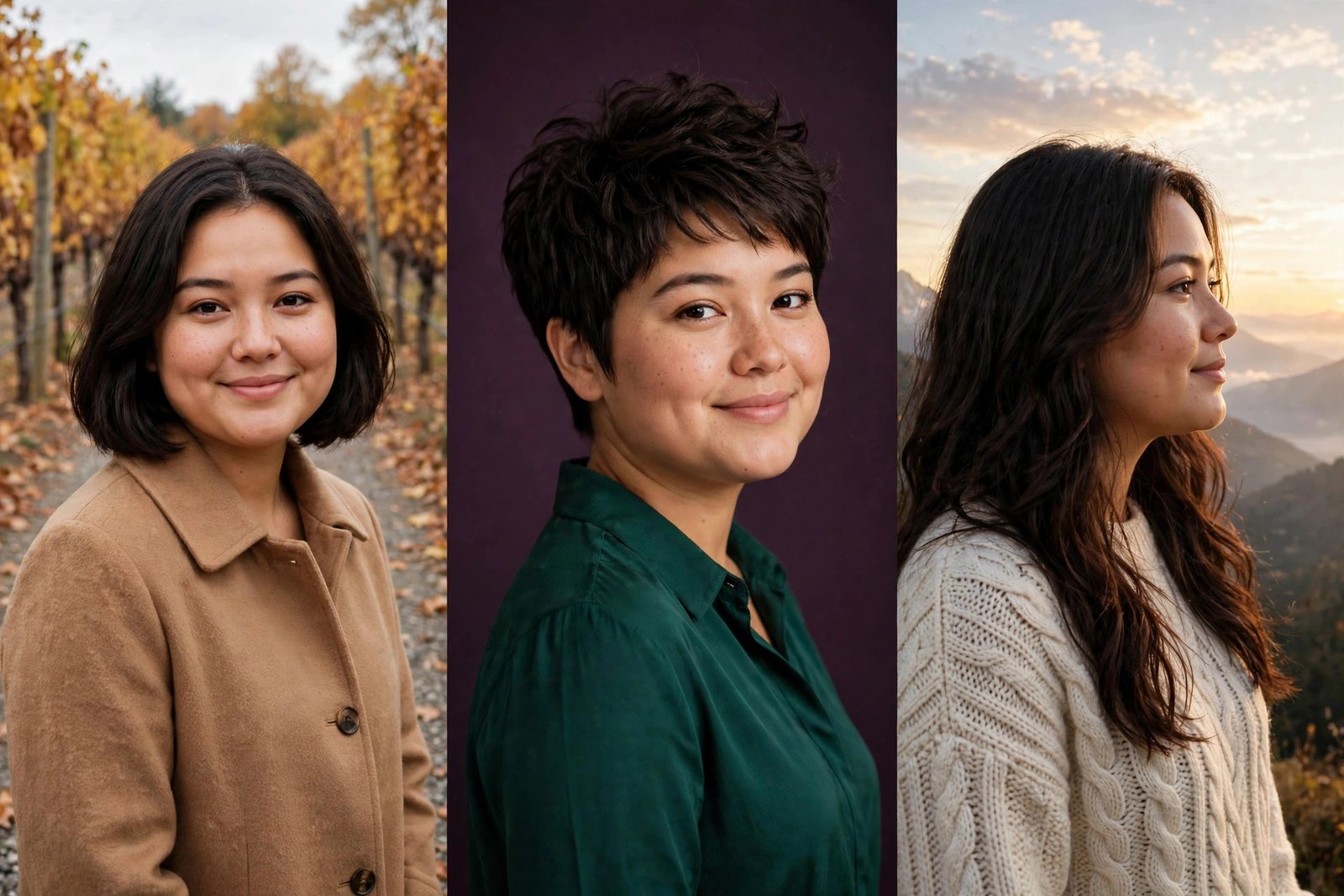
The right curly haircut does what products alone cannot: it removes the weight that drags curls down and lets your natural pattern show. Curly hair should almost always be cut dry, by a stylist who works with curls regularly. This guide covers the best cuts by length and curl type, including long layers and wavy hair.
What Makes a Great Curly Haircut?

A great curly cut is shaped dry, so the stylist sees how each curl actually falls — wet curls stretch and shrink unpredictably. It uses layers to remove bulk from inside the shape, so curls spring up instead of hanging heavy. And it respects your curl type: loose waves need the lightest layering, while tight coils need round shaping. Bad layering is worse than no layering: over-layered curls turn frizzy and thin, under-layered curls stay a heavy triangle.
| Cut | Best curl type | Length |
|---|---|---|
| Long layers | 2–3, long hair | Past shoulders |
| Curly bob | 2–3, medium density | Chin to shoulder |
| Curly shag | 2–3, fine to medium | Short to medium |
| Curly pixie | 3–4, confident short cut | Short |
| Wavy cut | 2, loose waves | Any |
Long Curly Haircut with Layers

Long curly hair without layers becomes heavy, loses shape and pulls the curl pattern flat at the roots. Long, cascading layers solve this: a few layers cut deep into the length pull weight out from the inside, so long curls swing and bounce all the way to the ends. Ask for long layers with face-framing pieces at the front, and keep the perimeter fairly full — point-cutting the last few inches makes ends look stringy.
Curly Bob Haircut
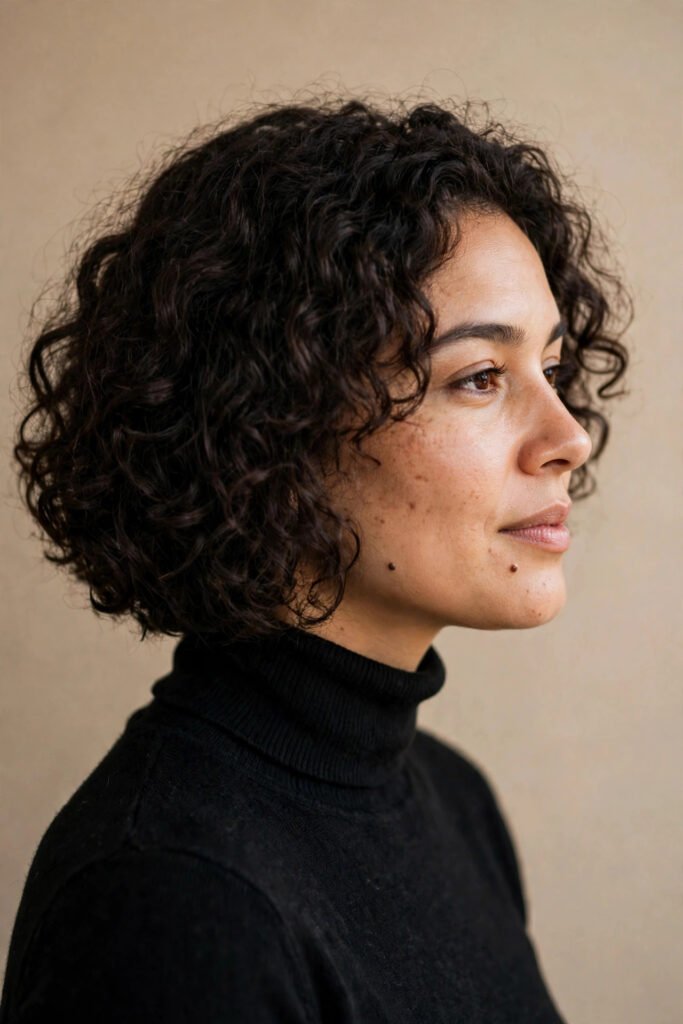
The curly bob hits between chin and shoulder and is one of the most flattering short-to-medium curly cuts. With a centre or side part and rounded shaping, it creates a compact, polished silhouette that shows off curls beautifully without the triangle effect. It suits most curl types, especially type 3. Ask for a dry cut with rounded layers, and expect trims every six to eight weeks.
Curly Shag Haircut

The curly shag is the gateway curly cut: choppy, airy layers all over, shorter at the crown for lift and longer, wispier ends below. It embraces texture instead of fighting it, turning every curl into a feature. Looser curl types thrive in it, and it is a favourite for fine curly hair because the layers create volume without length loss. Our shag haircut guide covers the classic version; the curly version leans harder into texture.
Curly Pixie Cut
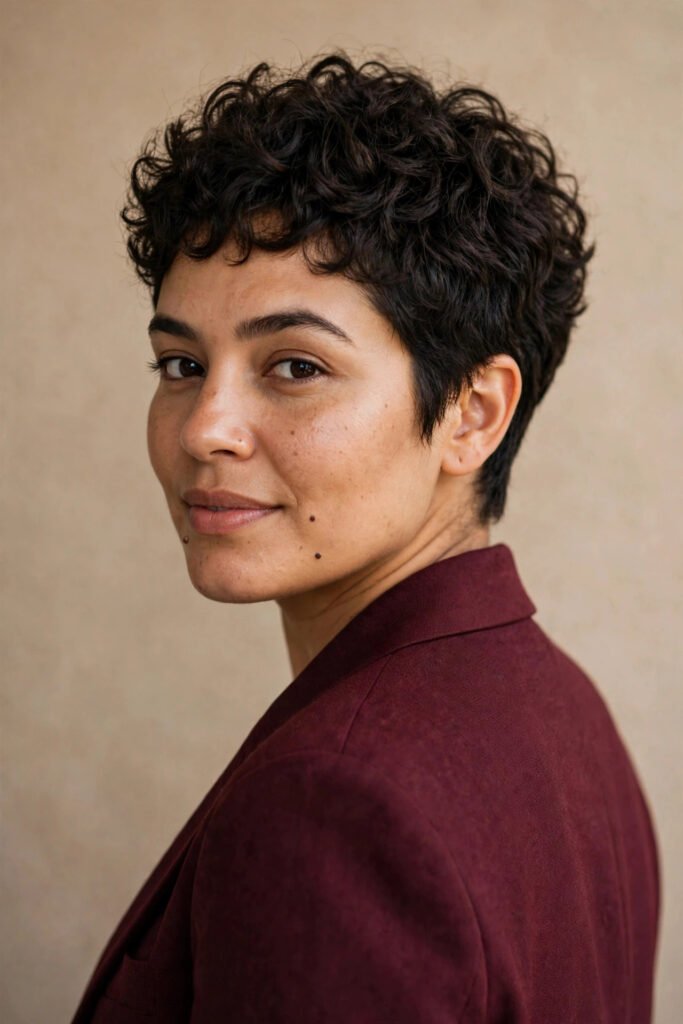
A curly pixie — shorter at the sides and back, longer on top — is bold, low-maintenance day to day, and brilliant at showing off curl texture. The longer top pieces give you styling options: wear them forward, swept to one side, or tousled up for volume. It works best when your curls are defined enough to hold shape on top. Ask your stylist to cut the top dry and leave enough length for your curl pattern to form.
Haircut for Wavy Hair
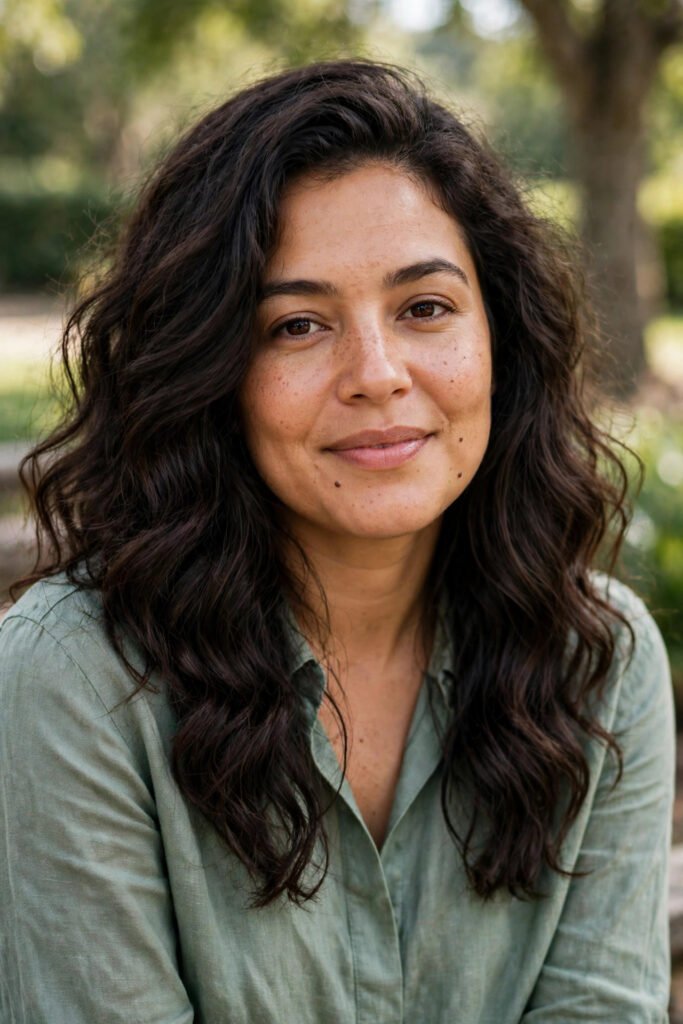
Wavy hair (type 2) sits between straight and curly, and it needs the lightest touch. Heavy layering frizzes waves; no layering leaves them flat. The sweet spot is long, subtle layers — a wavy lob or long cut with face-framing pieces — that encourage the S-shape without breaking it up. Ask for layers starting at chin level or below, and avoid razor cutting. A light mousse, scrunched into damp waves, brings out the pattern.
Curly Haircut with Bangs

Curly bangs change the whole face — and they demand respect for shrinkage. Wet curls can shrink by several centimetres as they dry, so curly bangs must always be cut longer than you think you need, and dry. Curtain-style curly bangs, long and sweeping, are the most forgiving: they blend into face-framing layers and grow out gracefully. Shorter, fuller curly bangs suit defined type 3 curls best.
Curly Haircuts by Face Shape

- Round: longer layers and a side part add length; avoid a round, chin-length bob that mirrors the face shape.
- Oval: almost any curly cut works — bobs, shags, long layers and pixies.
- Square: soft, face-framing layers and curtain bangs soften the jawline.
- Heart: chin-length volume and side-swept pieces balance a wider forehead.
- Long: a curly bob or shag adds width at the sides, offsetting facial length.
Face-framing layers are the smallest change with the biggest payoff: the shortest pieces at the cheekbone, lengthening as they sweep back, open up the whole face.
How to Style a Curly Haircut
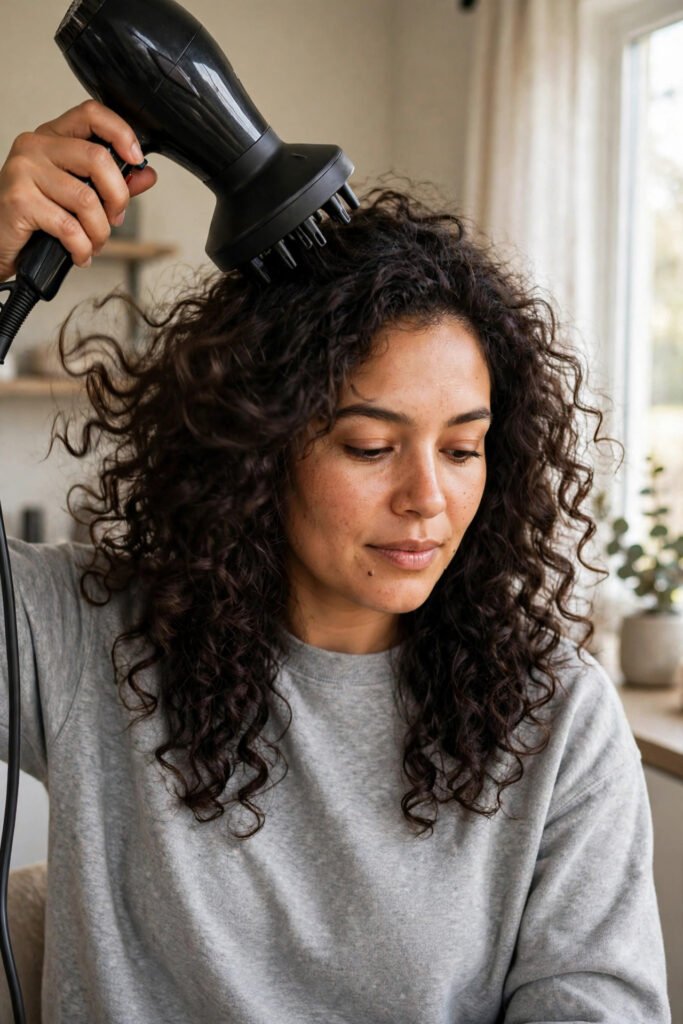
A good cut makes styling simpler: apply curl cream or gel to soaking-wet hair, rake it through, then scrunch upward. Diffuse on low heat, or air-dry without touching the curls as they set. Once dry, scrunch out any gel crunch with a drop of oil. Refresh between washes with a water-and-conditioner mist, and never brush dry curls — it breaks the pattern and creates frizz.
What to Ask Your Stylist

Book a stylist who cuts curly hair regularly, and arrive with your hair in its natural, day-two state if they cut dry. Useful phrases: “dry cut, please”, “long layers, keep the ends full” and “no thinning shears”. Bobs and pixies need trims every six to eight weeks, longer cuts every eight to twelve. Overnight, pineapple your hair — gathered loosely at the crown with a satin scrunchie — to protect the shape.
FAQs
Should curly hair be cut wet or dry?
Dry, in your natural pattern, wherever possible. Wet cutting hides shrinkage and how each curl will actually fall.
Do layers make curly hair frizzy?
Bad layers do; good layers improve definition.
How often should I trim a curly haircut?
Every eight to twelve weeks for longer cuts, six to eight weeks for bobs and pixies, to keep the shape from blurring.
What is the best curly haircut for fine curly hair?
A shag or a tapered layered cut: both create visual volume even when density is limited.
Can wavy hair get a curly haircut?
Yes, with lighter layering. Long, subtle layers and face-framing pieces suit waves best; heavy, choppy layers can frizz them.
Written by the New Light team. Fancy trying one of these shapes? Send us a message and bring your favourite photograph when you visit.