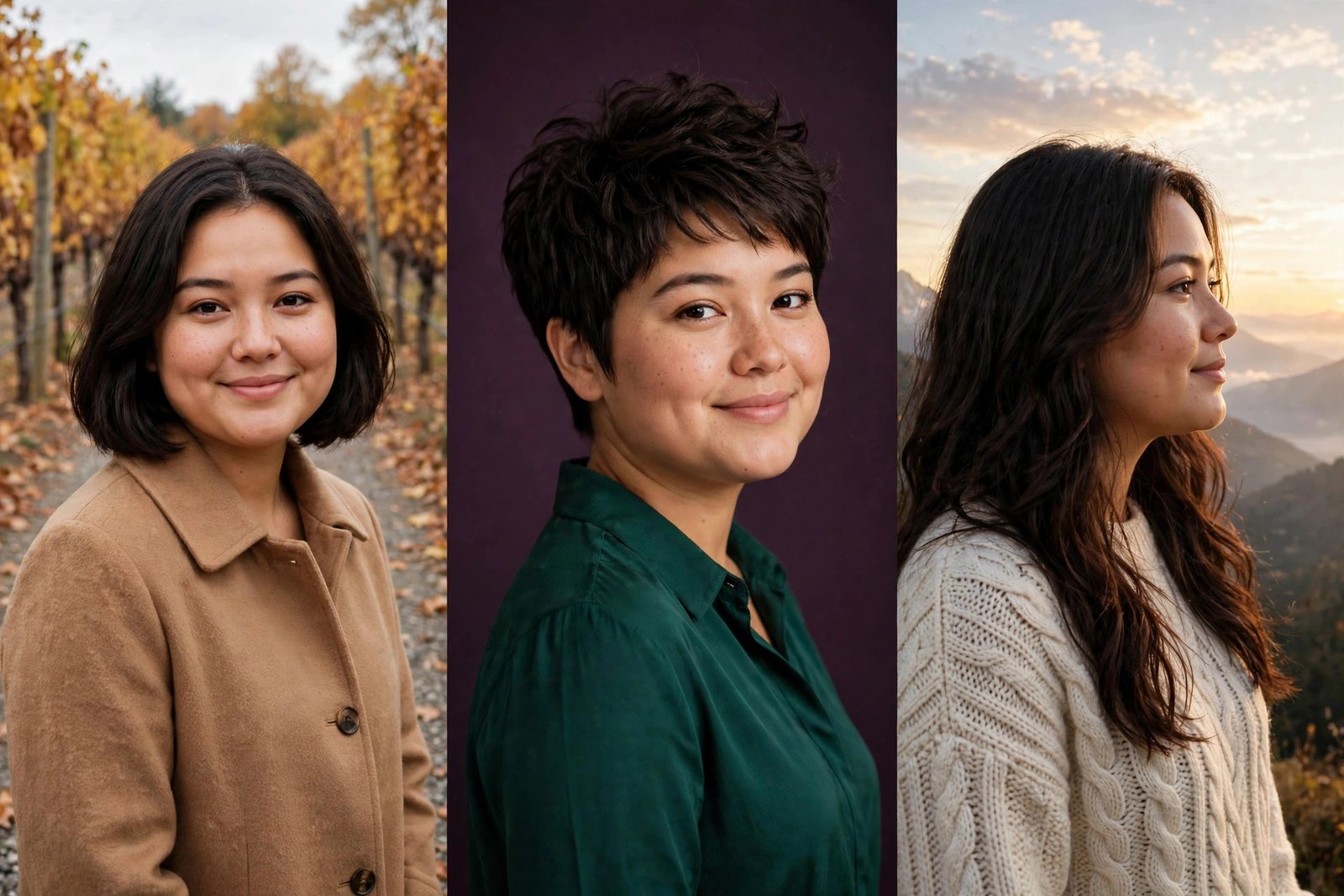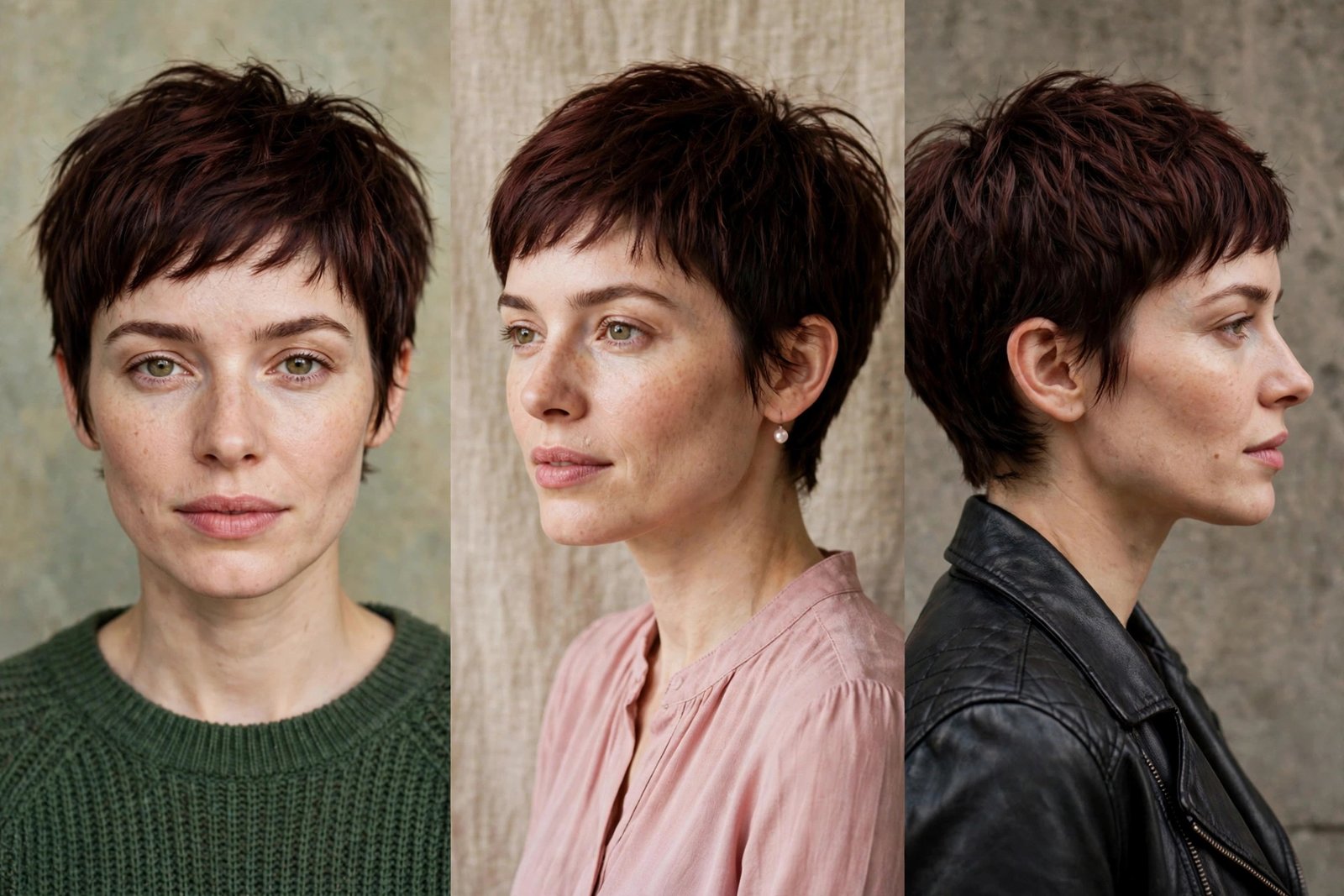
A pixie cut is short hair with real attitude: cropped sides and back, longer texture on top, and a shape that puts your face centre stage. It takes minutes to style, grows out into other great cuts, and suits far more women than the old “only for one face shape” myth suggests. The trick is choosing the right length, texture and fringe for your face and hair type.
What Is a Pixie Cut?
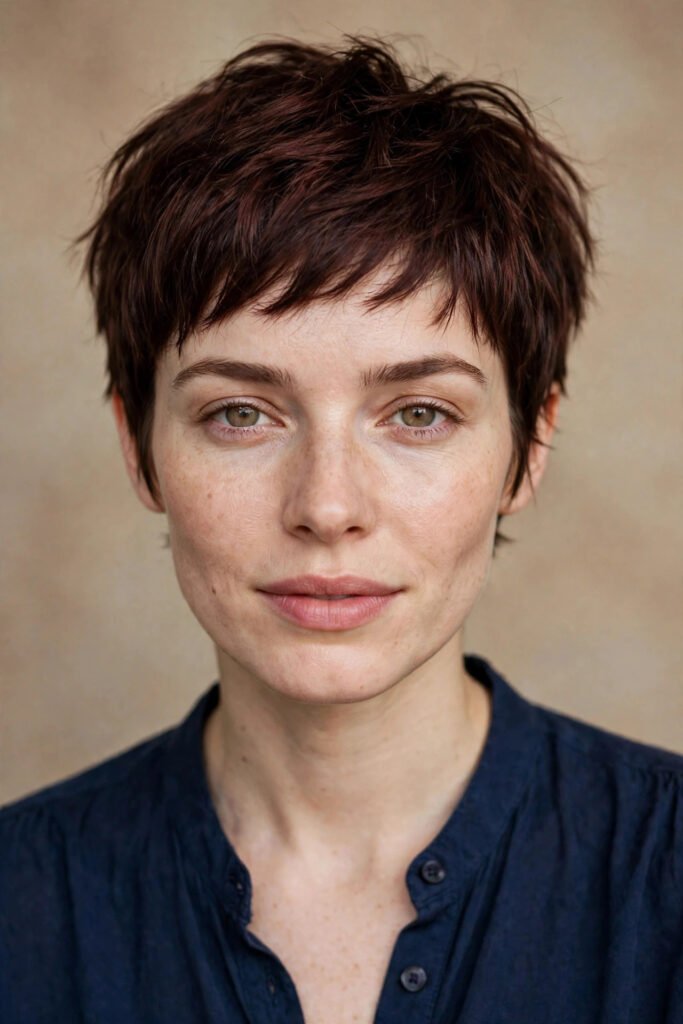
A pixie is a short women’s cut, usually 1 to 4 inches long on top with shorter, tapered sides and back. Unlike a bob, which ends at the jaw or below, a pixie sits above the ears and exposes the neckline — which is exactly why it looks so striking. The top can be sleek, piecey, spiky or softly feathered, so two pixies can look completely different.
It is the shortest mainstream women’s cut, but it is not one look. Think of “pixie” as the family name: the length, layering and fringe you choose decide whether it reads classic, edgy or soft.
Short Pixie vs Long Pixie

Length changes everything about a pixie:
| Feature | Short pixie | Long pixie |
|---|---|---|
| Length on top | About 1 to 2 inches | About 3 to 5 inches |
| Sides and back | Very short or clipped | Longer, often covering part of the ear |
| Daily styling | Under 5 minutes | 5 to 10 minutes |
| Trims | Every 4 weeks | Every 5 to 7 weeks |
A short pixie is the statement version — sharp, graphic and wash-and-go. A long pixie, sometimes called a bixie when it brushes the ears, keeps enough length to tuck, sweep and part in different ways. First-timers usually do best starting long: you can always go shorter next time, but you cannot add length back. Our guide to the bixie haircut covers that in-between length in full.
Pixie Cut with Bangs
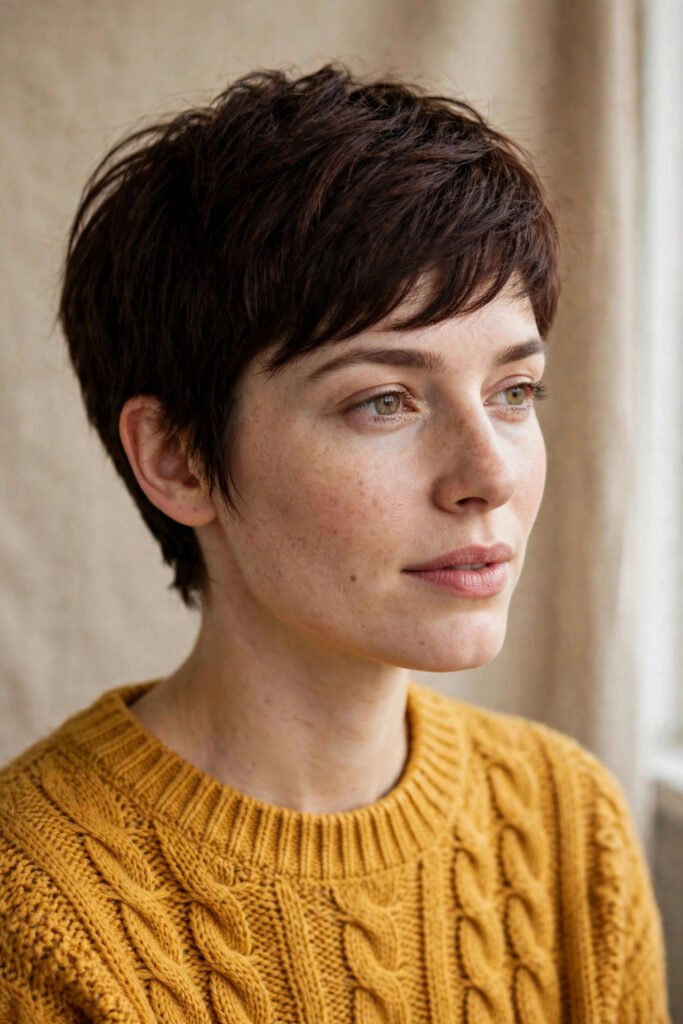
Bangs change a pixie’s whole mood. A side-swept fringe is the most versatile choice: it softens the forehead, adds a diagonal line across the face and grows out cleanly. Curtain bangs, parted in the middle and melting into the sides, give a softer, more romantic pixie and suit first-timers well.
A short, choppy fringe is the boldest option — it sharpens the whole cut and shows off strong brows and cheekbones, but needs trimming every few weeks. On a long face, a fuller fringe shortens the face nicely; on a round face, keep the fringe swept to one side so it lengthens rather than widens.
Messy Textured Pixie
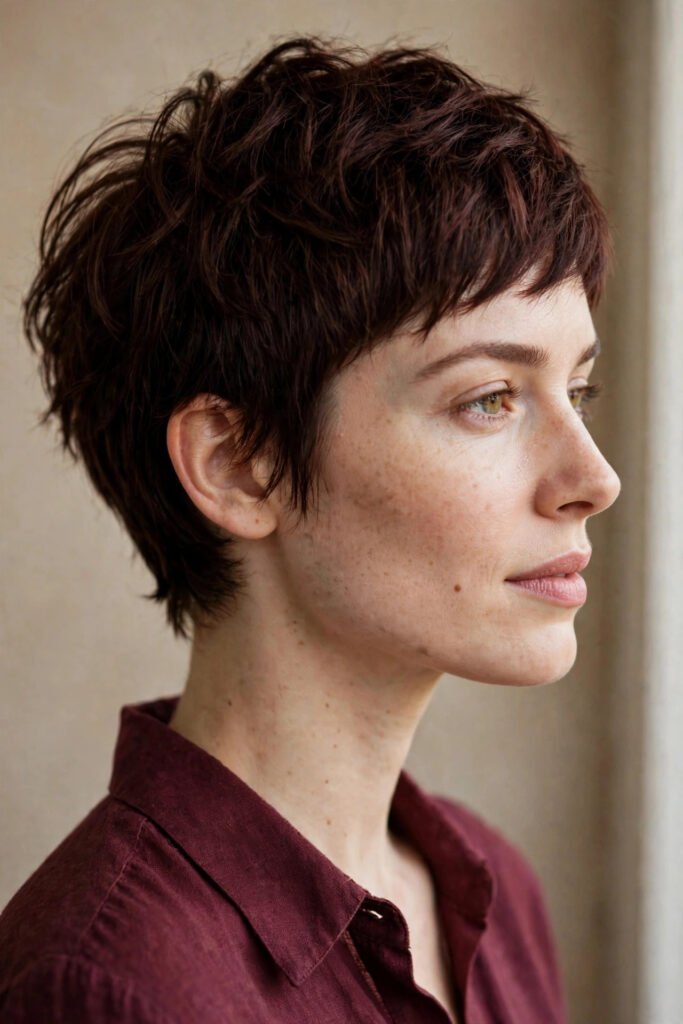
The messy textured pixie is the most popular pixie of 2026: it looks deliberately undone rather than badly behaved. Choppy, piecey layers through the crown create movement and volume, and the finish is finger-styled, not blow-dried into submission.
It works on almost every hair type. On straight hair, texture stops the cut looking flat; on wavy hair, it lets the natural wave do the work. Styling takes minutes: a pea-sized amount of matte paste or texture cream, worked through damp or dry hair, then shaken loose with your fingers. Avoid heavy wax, which makes short hair look greasy.
Shaggy Pixie Cut
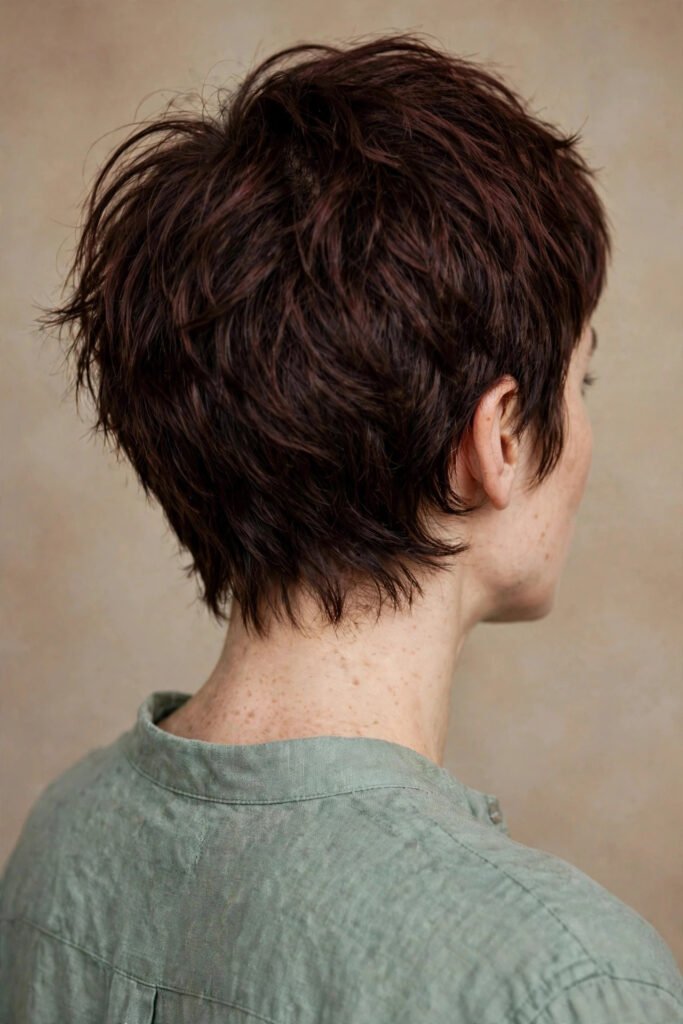
The shaggy pixie is the pixie version of a shag: choppy layers, lots of face-framing pieces and a feathered, lived-in finish. Where a classic pixie is neat and sculpted, the shaggy pixie is full of movement — the layers flick and separate instead of sitting in one smooth shape.
It is a brilliant choice for thick or wavy hair, because the layers remove weight and stop the cut ballooning outwards. On fine hair, keep the layers long and the ends blunt enough to preserve density. It also grows out more gracefully than a blunt pixie, since uneven lengths just read as more shag.
Curly Pixie Cut

Curly hair and pixies are a superb match, provided the cut respects the curl. The golden rule: tapered sides with enough length left on top for curls to form their shape. Cut too short all over and curls have nowhere to go; leave the top long and they spring into a defined, voluminous crown.
Ask for a dry cut, curl by curl, so your stylist can see where each curl falls, and remember curls shrink as they dry. Style with a light curl cream, not gel, and diffuse or air-dry. Avoid heavy thinning, which creates frizz, and keep trims regular: curly pixies lose their shape fast once the sides grow out.
Pixie Cut for Round Face
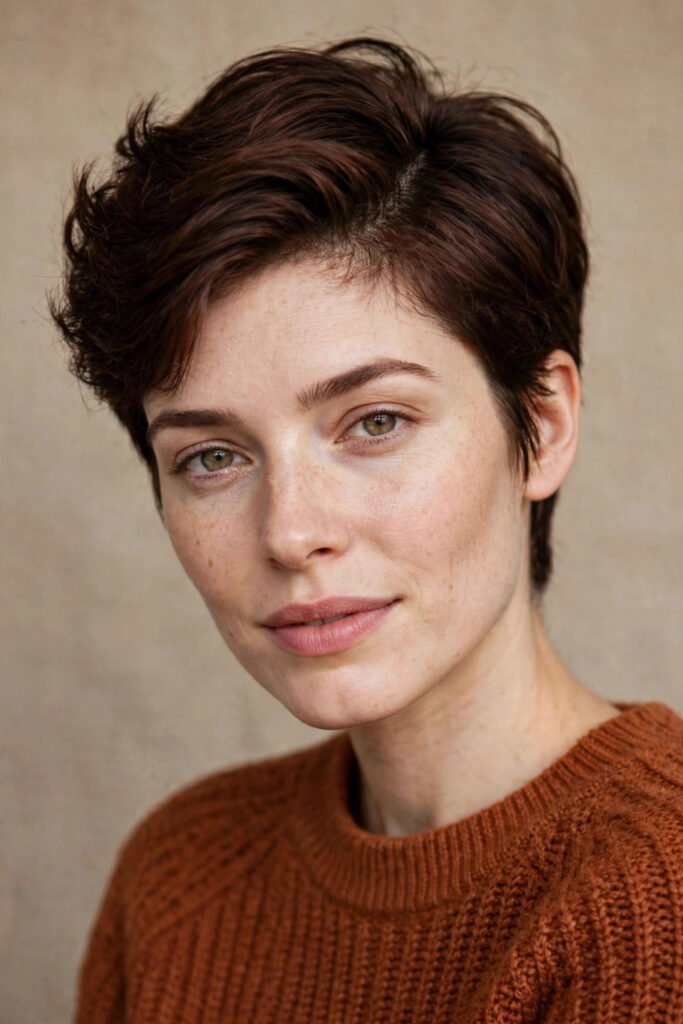
For a round face, the goal is height and angles: lift at the crown, a deep side part and longer pieces sweeping across the face. That vertical line makes the face look longer, while tapered sides keep width in check. A long or asymmetrical pixie does this best — one side longer than the other forces the eye to travel diagonally instead of around a circle.
Avoid blunt micro-fringes, equal volume on both sides and flat buzzed styles, all of which emphasise roundness. A side-swept pixie or a textured crop with crown height is the safest starting point, and an undercut pixie also works: shaving the sides removes width exactly where a round face carries it.
Pixie Cut for Oval Face

Oval faces are the lucky ones: balanced proportions, a forehead slightly wider than the chin, and room to wear almost any pixie. Classic, blunt, ultra-short, undercut, bixie — all of them work, because nothing needs correcting.
That freedom means the choice comes down to personality and routine rather than rules. Want low effort? A short textured crop. Want editorial? A blunt micro pixie with a sharp fringe.
Pixie Cut for Fine Hair
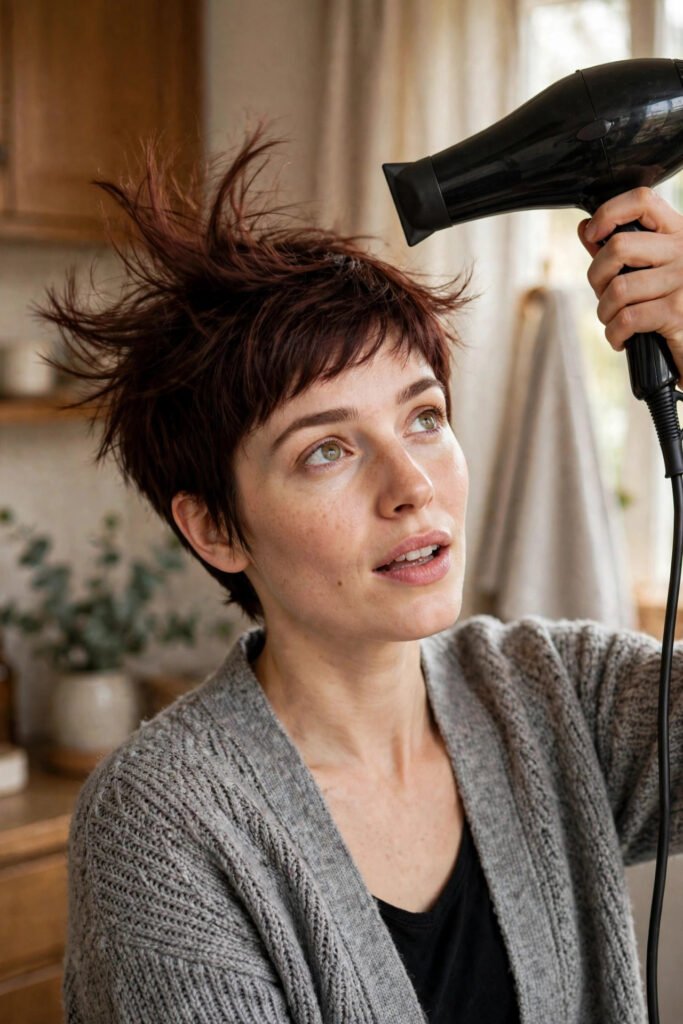
A pixie is one of the best cuts for fine hair. Short hair looks and feels thicker because the weight is gone, and soft layers on top add height exactly where fine hair goes flat. The key is restraint: ask for a blunt or lightly textured finish rather than heavy thinning, which strips already-fine strands of body.
Root lift is your best friend — a light mousse at the roots, blow-dried upwards, builds the illusion of density. A side-swept fringe also helps, adding fullness at the front where thin hair looks sparsest. Keep trims every 4 to 6 weeks: on fine hair, even half an inch of growth softens the shape noticeably.
Pixie Cut for Thick Hair
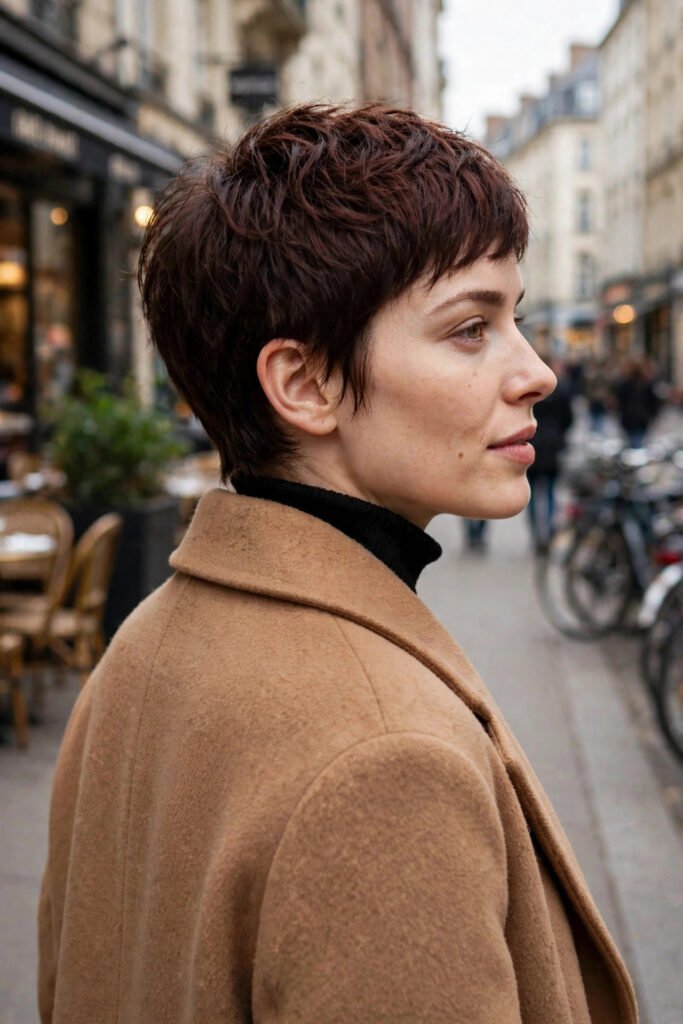
Thick hair needs the opposite approach: weight removal. Without it, a pixie on thick hair spreads outwards into a triangle. The fix is a tapered or undercut pixie — shorter sides that cut bulk, with textured layers on top to let the crown move freely.
Internal layering, rather than thinning shears all over, keeps the shape controlled without creating frizz. A textured crop is the go-to: light, controlled layers through the crown give thick hair a feather-light feel. Thick hair holds a pixie shape well between trims, though the sides still need attention every 4 to 5 weeks before bulk returns.
How to Style and Maintain a Pixie Cut
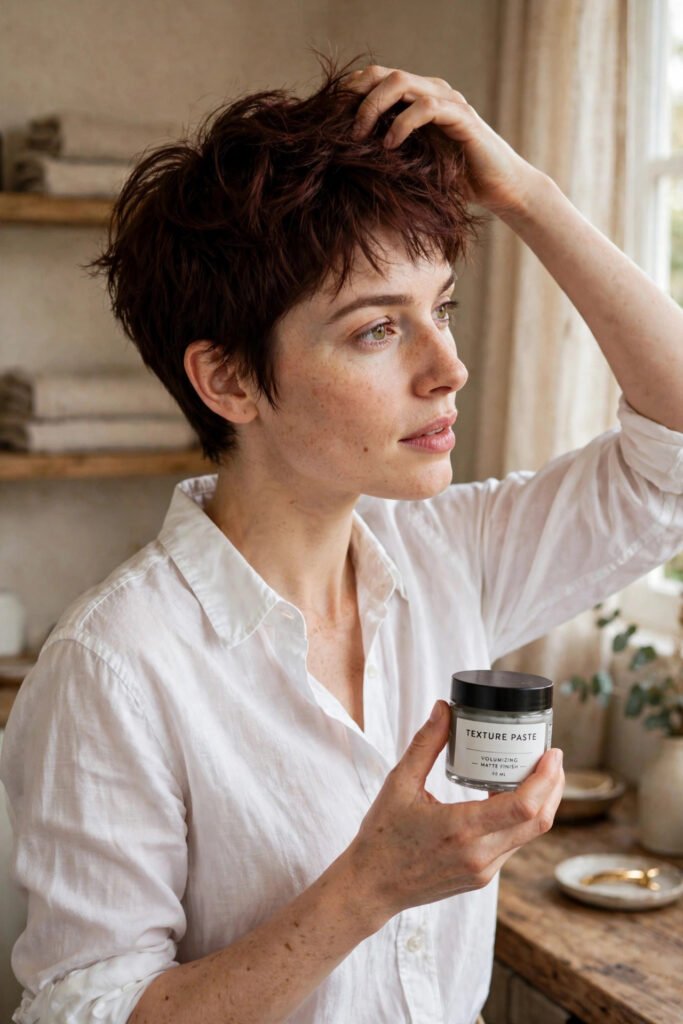
Most pixies take about five minutes in the morning: dampen the top, add a pea-sized amount of texture cream or paste, push the hair into shape with your fingers and give it a quick blast with the dryer. A small round brush smooths a fringe; a flat iron is rarely needed except for sleek versions.
Maintenance is the real commitment. Book a trim every 4 to 6 weeks — a pixie is short enough that half an inch of growth changes the whole shape, especially around the ears and nape. And think ahead: a pixie grows into a bixie, then a bob haircut over 6 to 12 months with shaping trims along the way.
FAQs
Who suits a pixie cut best?
Most people, once the cut is tailored to them. Oval and heart shapes suit almost any version; round and square faces look best with height on top and longer side pieces.
Is a pixie cut high maintenance?
Daily styling is very low — about five minutes. Salon maintenance is higher: trims every 4 to 6 weeks keep the shape sharp.
Can you get a pixie cut with wavy hair?
Yes. A textured or shaggy pixie lets natural waves create the movement, styled with sea-salt spray or light cream and air-dried.
What is the difference between a pixie and an undercut pixie?
An undercut pixie has one or both sides (or the nape) clipped very short or shaved, with longer textured hair on top. It removes bulk and adds an edgy contrast.
How long does a pixie take to grow out?
Expect 6 to 12 months to reach a chin-length bob, with shaping trims at the nape and around the ears keeping each stage intentional.
Written by the New Light team. Fancy trying one of these shapes? Send us a message and bring your favourite photograph when you visit.